
Lasting Joint Pain Relief Through Authentic Ayurvedic Treatment for Tennis Elbow
Tennis elbow, or lateral epicondylitis, is a condition where tiny tears and swelling develop in the tendons that link the forearm muscles to the outside of the elbow. While it is common among tennis players, anyone who performs repetitive wrist and arm motions-painters, carpenters, typists-can suffer from this form of joint pain.
From an Ayurvedic perspective, tennis elbow is seen as a manifestation of aggravated Vata dosha that causes dryness, stiffness, and inflammation in the joints and tendons. Unlike modern medicine that often relies on painkillers or steroid injections, Ayurveda aims to address the root cause of the problem by restoring dosha balance, improving circulation, and strengthening the affected joints.
In this article, we’ll explore how ayurveda treatment for tennis elbow offers a lasting approach to joint pain, focusing on therapies, diet, lifestyle, and internal healing practices rooted in centuries-old wisdom.
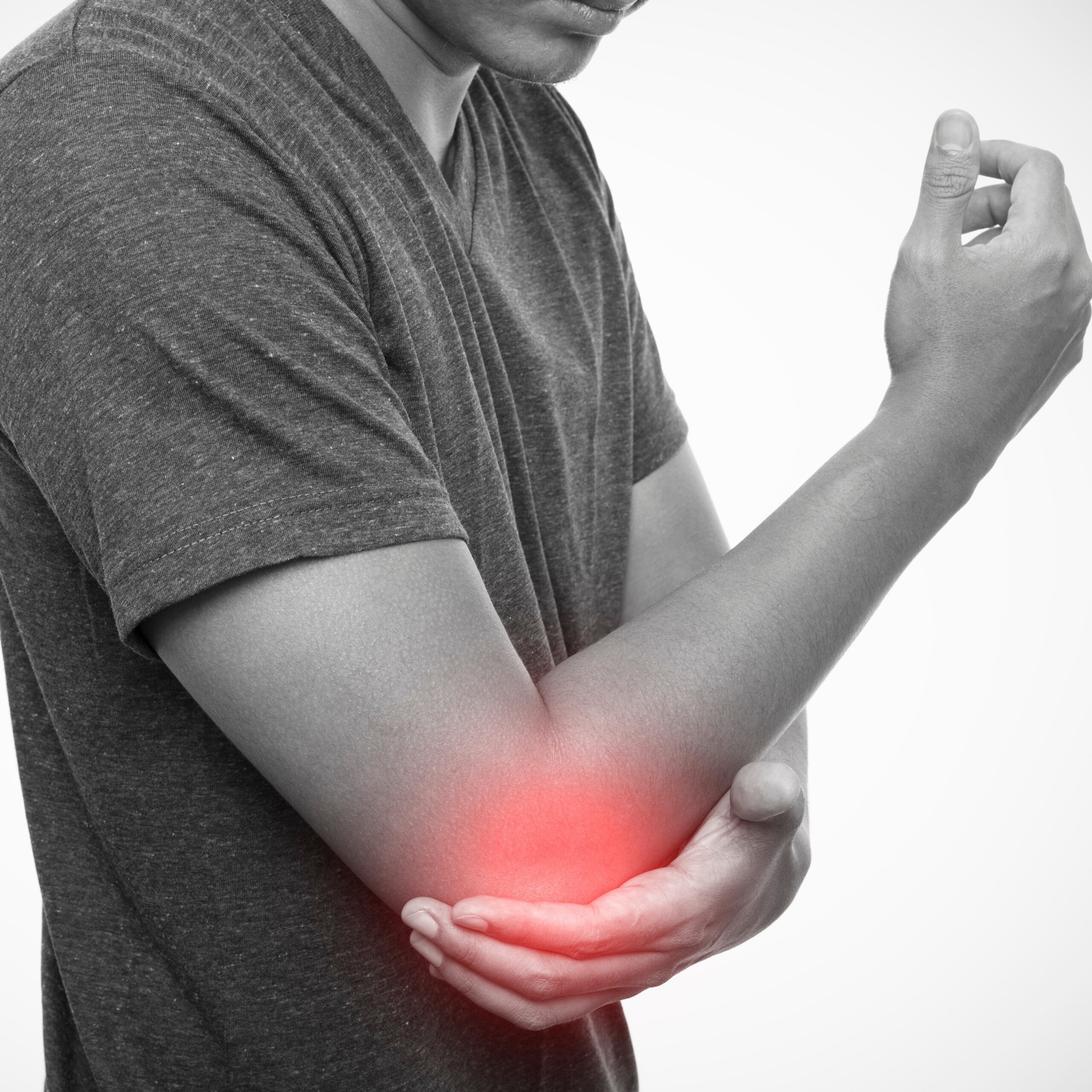
What Is Tennis Elbow?
Tennis elbow is characterized by sharp or burning pain in the outer part of the elbow, especially when lifting, gripping, or extending the arm. In modern medicine, it’s considered a repetitive strain injury (RSI) involving overuse of the forearm muscles.
In Ayurveda, this condition is classified under the broad category of Sandhivata (joint-related Vata disorder), where excessive use or strain leads to depletion of lubricating fluids and results in dry, inflamed joints. Aggravated Vata causes degeneration and pain, while Pitta involvement leads to inflammation and heat.
Causes of Tennis Elbow
- Repetitive strain on the forearm and wrist
- Sudden overuse of undertrained muscles
- Weak muscle strength and poor posture
- Poor nutrition and lack of joint nourishment
- Age-related degeneration of tissues
- Accumulated Ama (toxins) due to poor digestion
Ayurveda identifies that unless the metabolic toxins (Ama) are cleared and the Vata-Pitta imbalance is addressed, recovery from tennis elbow will be slow and prone to relapse.
Symptoms of Tennis Elbow and How It Affects Joint Function
- Pain on the outer elbow that gets worse with movement or activity.
- Weakened grip strength
- Stiffness, especially in the morning or after rest
- Radiating pain to the forearm and wrist
- Swelling or warmth around the elbow
- Difficulty in performing daily tasks like opening jars or lifting bags
These symptoms suggest a disruption in normal tissue metabolism, where the Srotas (microchannels) are blocked due to Ama and impaired Vata movement.
Ayurveda Diagnosis Prakriti Vikriti and Nadi Pariksha
In Ayurveda, diagnosis is not just about local symptoms-it involves understanding your entire body constitution (Prakriti), the imbalance (Vikriti), and the affected dhatus (tissues).
- Nadi Pariksha (pulse diagnosis) is used in Ayurveda to detect which dosha is out of balance.
- Dashavidha Pariksha (tenfold examination) assesses diet, lifestyle, and metabolic strength (Agni).
- The condition is typically classified as localized Vata disorder with possible Pitta and Kapha involvement.
Such an in-depth assessment allows for a personalized healing plan that supports not just the elbow but the entire musculoskeletal system.
Ayurveda Treatment for Tennis Elbow
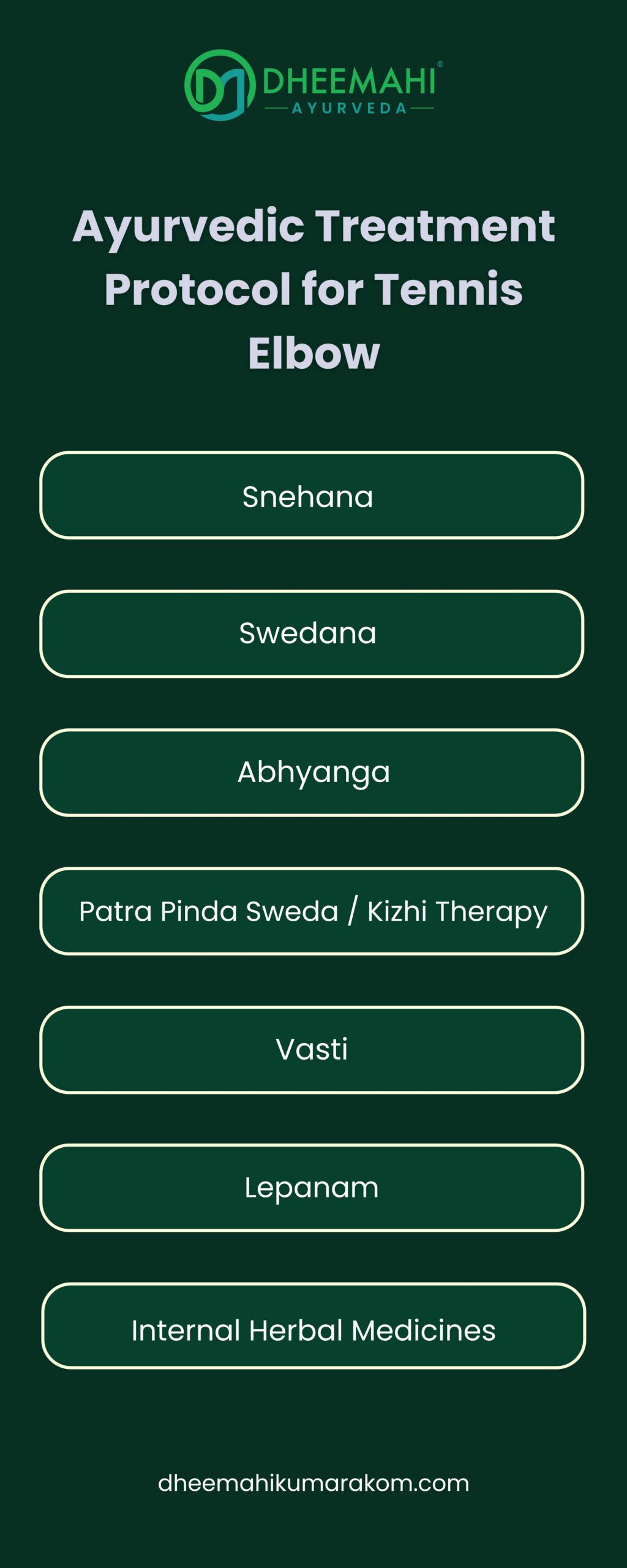
Ayurvedic treatment for tennis elbow is a multi-step process that includes detoxification, external therapies, internal medicines, and lifestyle changes.Snehana (Oleation)
- External application of medicated oils to nourish joints
- Helps reduce stiffness and increase mobility
Swedana (Sudation Therapy)
- Localized steam fomentation to relieve pain and remove toxins
- Prepares the tissues for deeper detox
Abhyanga (Full Body Oil Massage)
- Improves blood flow and balances Vata
- Nourishes joints and muscles
Patra Pinda Sweda / Kizhi Therapy
- Warm herbal poultice therapy to reduce inflammation
- Used especially in stubborn or chronic tennis elbow cases
Vasti (Medicated Enema)
- Targets Vata in the colon, the seat of Vata dosha
- Deep detox and tissue rejuvenation
Lepanam (Herbal Paste Application)
- Anti-inflammatory herbal pastes applied to the elbow
- Offers fast relief from pain and swelling
Internal Herbal Medicines
- Herbs like Guggulu, Shallaki, Ashwagandha, and Rasna
- Improve tissue repair, reduce inflammation, and balance doshas
Importance of Panchakarma in Treating Joint Pain
Panchakarma is Ayurveda’s signature detoxification process and plays a central role in managing chronic joint pain. When Ama accumulates in the joints, it leads to inflammation and degeneration.
For tennis elbow, Panchakarma therapies such as:
- Virechana (purgation) for Pitta-Vata cleansing
- Basti (enema) for eliminating deep-seated Vata
- Nasya (nasal detox) for nerve and circulation regulation
These treatments help in clearing blocked channels and improving nutrient delivery to the joints.
Ayurvedic Herbs for Tennis Elbow and Joint Pain
- Shallaki (Boswellia): Reduces swelling and enhances mobility
- Guggulu: Anti-inflammatory and rejuvenating for joints
- Ashwagandha: Strengthens muscles and nerves
- Rasna: Relieves Vata-based joint pain
- Eranda (Castor): Helps clear Ama and lubricate joints
These herbs, used in combination and under professional supervision, offer long-term results in pain management and joint health.
The Role of Diet in Healing Tennis Elbow
Diet plays a crucial role in managing any joint-related disorder. Ayurveda sees Agni (digestive fire) as the heart of good health. When Agni weakens, undigested waste known as Ama builds up — and over time, this can accumulate in the joints, causing discomfort and imbalance.
Recommended:
- Warm, cooked, easily digestible meals
- Ghee and healthy fats for joint lubrication
- Anti-inflammatory spices like turmeric, ginger, and cumin
- Avoidance of cold, dry, processed foods
Foods to Avoid:
- Excessive sour, spicy, or fermented items
- Fried and packaged snacks
- Cold water and carbonated drinks
A customized diet helps strengthen tissues and prevent further inflammation.
Yoga and Lifestyle Support for Lasting Relief
- Avoid poses that put pressure on the hands or elbows, like Downward Dog, Chaturanga, or Plank.
- Focus on gentle stretching and strengthening of the forearm, shoulder, and upper back to support healing.
Certain yogic practices and daily routines support faster recovery:
Yoga Poses:
- Gomukhasana (Cow Face Pose)
- Ardha Matsyendrasana (Half Spinal Twist)
- Bhujangasana (Cobra Pose)
- Wrist and elbow strengthening exercises
Lifestyle:
- Regular warm oil self-massage (Abhyanga)
- Avoidance of overuse or repetitive arm movements
- Stress management through meditation or pranayama
- Proper rest and sleep hygiene
Ayurveda teaches that prevention is better than cure. A Vata-pacifying daily routine can go a long way in maintaining joint health.
When to Seek Ayurvedic Help for Tennis Elbow
If you experience:
- Persistent elbow pain for over 2 weeks
- Weakness or stiffness interfering with work
- Ineffectiveness of modern painkillers
- Recurrence of pain after temporary relief
Then it’s time to consider Ayurvedic treatment for tennis elbow as a sustainable, side-effect-free alternative.
Combining Ayurveda and Physiotherapy
While Ayurveda provides the root-cause healing, combining it with physiotherapy can optimize recovery. Mild stretching and mobility exercises under expert guidance can complement Ayurvedic treatments and rebuild joint function faster.
Conclusion
Ayurvedic treatment for tennis elbow offers more than just symptom control – it provides lasting relief by correcting doshic imbalances, removing toxins, and strengthening muscles and joints from the inside out. Through a personalized plan involving herbal support, Panchakarma detox, dietary adjustments, and yogic practices, you can overcome tennis elbow and regain pain-free movement.
If you’ve been struggling with tennis elbow and are seeking a gentle approach to relieve joint pain without recurring side effects, Ayurveda offers a time-tested solution rooted in harmony, balance, and natural healing.
At Dheemahi Ayurvedic Village, our expert physicians specialize in treating joint conditions like tennis elbow with authentic Ayurvedic therapies tailored to your unique constitution. In a tranquil, healing environment, Dheemahi Ayurveda Village helps you restore strength, flexibility, and comfort—naturally and completely.
FAQ
What types of gastric issues does Ayurveda treat?
We commonly treat:
-
Chronic acidity or acid reflux (Amlapitta)
-
Gas and bloating
-
Indigestion (Ajirna)
-
IBS-related symptoms
-
Constipation or irregular bowels
-
Heaviness and loss of appetite
Each condition is treated individually, depending on your constitution (Prakriti) and imbalance (Vikriti).
How does Dheemahi’s treatment differ from using antacids or home remedies?
Antacids give temporary relief but don’t correct why your digestion is weak. At Dheemahi, we:
-
Identify what is disturbing your Agni
-
Remove accumulated toxins from the gut
-
Prescribe herbs to strengthen digestion
-
Customize a diet to your dosha and current symptoms
This results in long-lasting relief and improved gut health.
How long does Ayurvedic treatment take to show results?
Initial relief may be noticed within 5–7 days, especially with a proper diet and herbal support. However, for chronic issues, a full program of 21–28 days of internal and external treatments may be needed to fully correct the digestive imbalance.
Is the treatment safe for all age groups?
Yes, all treatments and medications at Dheemahi are natural, gentle, and tailored to your body type, making them safe for children, adults, and the elderly.
What kind of diet will I need to follow?
You’ll be advised to eat:
-
Fresh, warm, light, and well-cooked foods
-
Spices like cumin, coriander, ginger for digestion
-
Avoid cold, raw, fried, or heavy foods
Your exact plan is customized after diagnosis.
Do you offer online consultations for gastric issues?
Yes. You can book a video consultation with our senior physicians through https://dheemahiayur.com/. After assessment, we can provide personalized herbal prescriptions, diet charts, and follow-up support.
How Our Booking Process Works
The unique approach involves a series of discussion during your initial decision-making process to make sure that we will be able to match your expectations with our treatment.
Based on the discussions with you our team of expert doctors will design the best treatment package personalized for your needs.
01
Consultation Form
Fill out our consultation form, and let us know when will you be available for our doctor to talk to you
02
Discussion with Doctor
Discuss your health condition and expectations with our doctor.
03
Booking Confirmation
Confirm the booking by making a payment of 50% advance.
Consultation Form
Submit this form to initiate a booking with us
Have any queries? We will help you. Talk to us now
Say Goodbye to Health Woes & Hello to Healthy Living
Dheemahi Ayurvedic Pvt Ltd
12/386 Varaputhara Road
Kumarakom, Kerala, India
Pin 686563
Dheemahi Ayurvedic Centre, Near Neelimangalam Bridge, Kumaranaloor, Perumbaikad.P.O, Kottayam, Kerala, India, Pin 686016
Other Treatments
Karkidaka Chikilsa | Ayurvedic Treatment for Depression | How to Reduce Stress Naturally | Autoimmune Disorders | Mental Health Ayurvedic Treatment | Weight-Loss Treatment | Frozen Shoulder Ayurvedic Treatment | Diabetes Ayurvedic Treatment | PCOS Ayurvedic Treatment | Celiac Disease Treatment | ayurvedic treatment for skin diseases | nervous system ayurvedic treatment | Back Pain Ayurvedic Treatment | Cervical Spondylitis Ayurvedic Treatment | ayurvedic treatment for blood sugar | Fatty Liver Ayurvedic Treatment | Knee Pain Ayurvedic Treatment | Migraine Ayurvedic Treatment | Osteoarthritis Ayurvedic Treatment | Psoriasis Ayurvedic Treatment | Sinusitis Ayurvedic Treatment | Ayurvedic Detox Treatment | Migraine Ayurvedic Treatment | Ayurvedic Treatment for Rheumatoid Arthritis | Ayurvedic treatment for joint pain | Ayurvedic treatment for ulcerative colitis | Panchakarma Treatment |