
Get Authentic Ayurvedic Treatment for Urticaria
Urticaria, commonly known as hives, is one of those skin conditions that appears suddenly and disrupts daily life with red, itchy welts. For many, the condition comes and goes without warning, sometimes lasting for hours, sometimes persisting for weeks or months. What makes it more frustrating is the unpredictability—flare-ups may appear after a meal, a stressful day, or even without any identifiable trigger.
Most people start with quick solutions like antihistamines or steroid creams. While these may suppress itching and swelling temporarily, the hives often return, leaving patients in a cycle of repeated discomfort. Over time, many begin to look for treatments that go beyond surface relief and address the deeper causes of urticaria. This is where Ayurveda offers a holistic path to both relief and prevention.
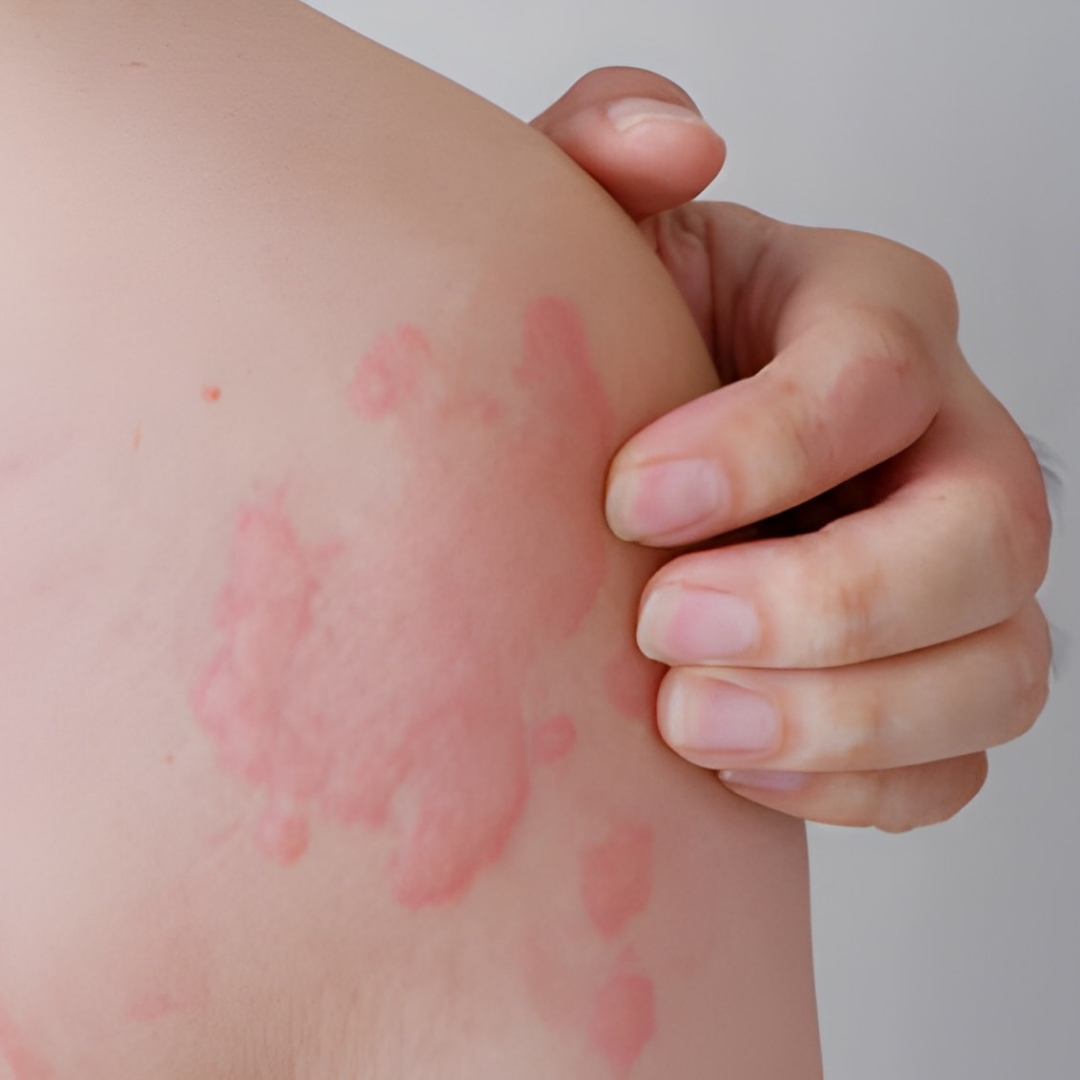
Urticaria: More Than a Skin Irritation
Urticaria (Hives) refers to a group of skin conditions marked by itchy, red wheals and flare reactions. The most common form is spontaneous urticaria, where hives appear without any obvious trigger.From a modern medical perspective, urticaria is usually considered an allergic reaction. It can be triggered by certain foods, insect bites, medicines, infections, or environmental factors. In many cases, however, the trigger is never identified, especially in chronic urticaria. The condition is categorized into:
- Acute Urticaria: Lasting less than six weeks.
- Chronic Urticaria: Persisting for more than six weeks, often without a clear cause.
Both forms arise from mast cell activation, releasing histamine and other inflammatory mediators that cause itching, swelling, and sometimes angioedema.While modern treatment can manage symptoms effectively, the recurrence remains a challenge.
The Ayurvedic View
Ayurveda looks deeper. It sees urticaria as a condition connected to imbalances in the doshas (Vata, Pitta, and Kapha) and the buildup of ama (toxins caused by poor digestion and metabolism). In classical Ayurvedic texts, urticaria is described under the condition called Sheetapitta, where disturbed doshas manifest as skin rashes, itching, redness, and swelling.
- Vata imbalance: Causes dryness, sudden flare-ups, and restlessness.
- Pitta imbalance: Leads to burning, redness, and heat in the skin.
- Kapha imbalance: Produces swelling, heaviness, and prolonged eruptions.
This holistic understanding places urticaria not just as a skin disease but as an internal imbalance that requires correction at the root level.
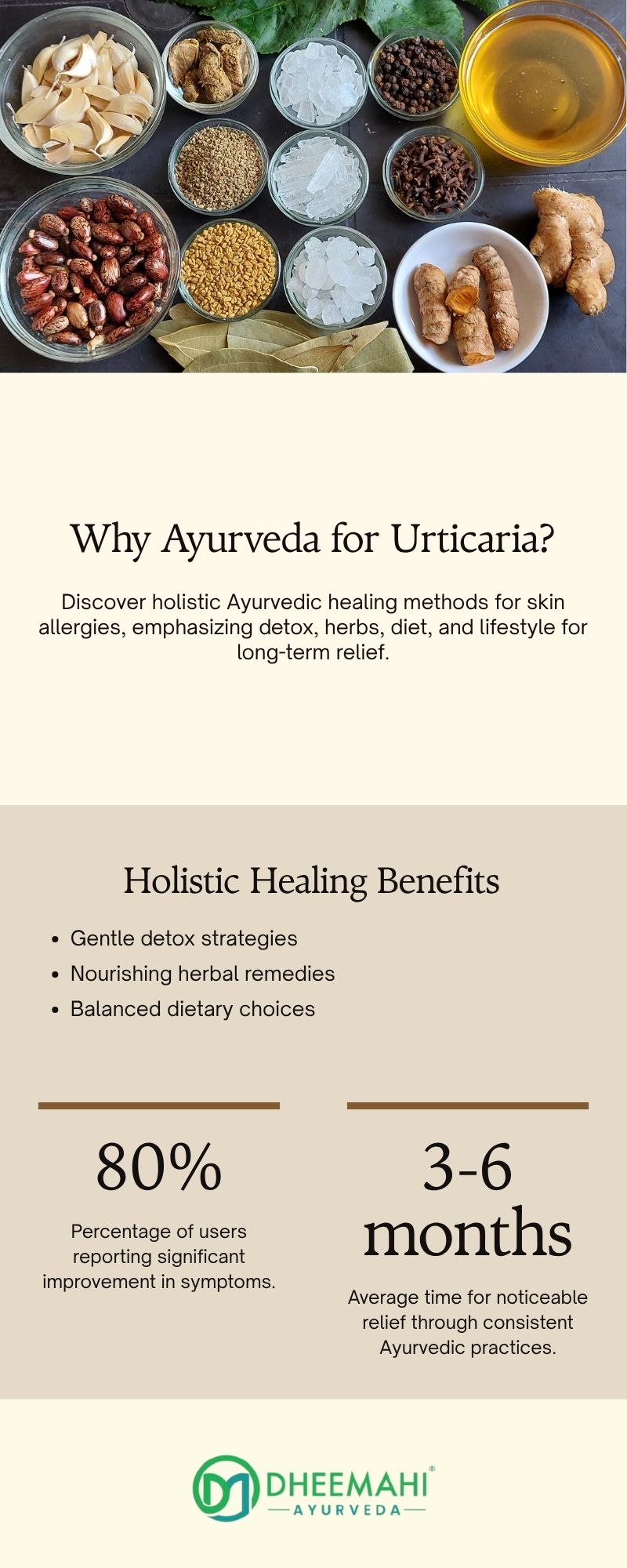
Why Ayurveda for Urticaria?
Many patients turn to Ayurveda when they realize that their current approach is only suppressing symptoms. What they want is:
Long-term relief rather than temporary suppression.
Safe therapies that do not cause dependency or side effects.
A personalized approach that takes into account diet, lifestyle, stress, and individual constitution.
Ayurveda fulfills these needs by combining detoxification, herbal support, dietary adjustments, and rejuvenation therapies into one cohesive plan.
Key Elements of Ayurveda Treatment for Urticaria
1. Detoxification Therapies (Shodhana)
One of the first steps in Ayurveda is to remove toxins that block the skin and immune system. Panchakarma therapies are selected based on the individual’s dosha imbalance:
- Virechana (purgation): Clears excess Pitta and toxins from the liver and blood.
- Vamana (therapeutic emesis): Used for Kapha-dominant cases to remove accumulated mucus.
- Basti (medicated enema): Corrects Vata imbalance and improves gut function.
- Nasya (nasal therapy): Helps cleanse toxins affecting the head and nerves.
These treatments reduce hypersensitivity and prepare the body for deeper healing.
2. Herbal Formulations and Natural Remedies
Ayurvedic physicians prescribe herbs that calm the doshas and purify the blood. Some commonly used herbs include:
- Neem: A natural purifier that reduces skin inflammation.
- Manjistha: Supports blood detoxification.
- Guduchi: Enhances immunity and reduces toxin formation.
- Haridra (Turmeric): Anti-inflammatory and anti-allergic in nature.
- Ashwagandha: Strengthens the nervous system and reduces stress trigger
Herbal decoctions or powders are tailored to each patient’s condition rather than given in a one-size-fits-all way.
3. Rasayana Therapy (Rejuvenation)
After detox, Ayurveda strengthens the body through Rasayana therapy. This stage focuses on:
- Rebuilding immunity so that the body does not overreact to minor triggers.
- Nourishing the skin and blood for long-term resilience.
- Balancing the mind through calming herbs and practices to reduce stress-induced flare-ups.
Patients often report not just fewer hives, but better digestion, improved sleep, and higher energy.
4. Diet and Lifestyle Modifications
Food plays a central role in skin health. A personalized Ayurvedic diet plan for urticaria often emphasizes:
- To include: Bitter vegetables, warm soups, turmeric, coriander, cumin, and light grains.
- To avoid: Processed foods, fried items, red meat, alcohol, and foods that cause bloating or indigestion.
Lifestyle guidance may include:
- Practicing regular yoga or pranayama to manage stress.
- Keeping a consistent sleep schedule.
- Daily oil massage (Abhyanga) to strengthen immunity and calm Vata
- Avoiding sudden exposure to extreme temperatures.
These adjustments prevent the recurrence of urticaria while supporting overall balance.
5. External Treatments
In addition to internal detox and herbs, Ayurveda uses topical therapies:
- Medicated oils that reduce itching and nourish the skin.
- Cooling herbal pastes to calm burning sensations.
- Therapeutic baths with decoctions that reduce inflammation.
This dual internal and external approach ensures both immediate comfort and long-term control.
How Ayurveda Differs From Other Treatments
It is natural for patients to compare Ayurveda with modern medical treatments:
- Modern approach: Antihistamines and steroids provide fast relief but may not prevent recurrence. Long-term use also carries risks of dependency and side effects.
- Ayurvedic approach: Works gradually but addresses root causes—improving digestion, detoxifying the body, and strengthening immunity for long-term relief.
In Ayurveda, Sheetapitta is described as a Tridoshaj Vyadhi, predominantly involving Vata and Pitta Dosha with Rasa and Rakta as main Dushya. It belongs to Twak Vikara, closely related to Kotha and Udarda. Classical texts explain its symptoms as redness, swelling, itching, burning, vomiting, and fever, often resembling lesions from an insect sting. Madhukosa differentiates: in Sheetapitta, Vata predominates, while Udarda is Kapha-dominant.
- In modern science, Sheetapitta is compared with Urticaria (Hives)—a common allergic skin disorder affecting nearly 20–25% of people at some point in life. It presents as sudden reddish patches with severe itching and inflammation, sometimes recurring for weeks, months, or even years. Though usually not life-threatening, urticaria can significantly disturb routine life and impair quality of life, occasionally escalating to systemic anaphylaxis.
- Modern medicine mainly offers symptomatic relief with antihistamines, often requiring long-term use with potential side effects, without a permanent cure. Ayurveda, on the other hand, emphasizes dosha balance and root-cause treatment, offering the possibility of better and lasting management for Sheetapitta.
This comparative clarity helps patients make informed decisions about their health.
Benefits That Extend Beyond Skin
Ayurveda treatment for urticaria provides improvements that go beyond just managing hives:
- Better digestion with reduced bloating and heaviness.
- Improved immunity leading to fewer allergic reactions.
- Calmer mind and emotions due to stress reduction.
- Sound sleep that helps reduce flare-ups.
- Stronger skin health offering protection against other chronic skin diseases like eczema or psoriasis.
These broader benefits make Ayurveda attractive to those seeking not just skin relief, but overall wellness.
What Patients Can Expect From a Treatment Journey
Ayurveda treatment for urticaria provides improvements that go beyond just managing hives:
- Better digestion with reduced bloating and heaviness.
- Improved immunity leading to fewer allergic reactions.
- Calmer mind and emotions due to stress reduction.
- Sound sleep that helps reduce flare-ups.
- Stronger skin health offering protection against other chronic skin diseases like eczema or psoriasis.
These broader benefits make Ayurveda attractive to those seeking not just skin relief, but overall wellness.
Setting Realistic Expectations
Ayurveda is a journey, not a quick fix. While many patients notice improvements within weeks, chronic cases may take months for deeper correction. What makes the journey worthwhile is the sustainability of results—relief without dependency on continuous medication.
Patience and consistency are key, as the body undergoes cleansing, rebalancing, and strengthening.
Comprehensive Ayurvedic Care for Urticaria at Dheemahi
At Dheemahi Ayurveda, treatment for urticaria goes far beyond symptom control—it’s a complete healing journey designed to restore internal balance and skin harmony. Each patient begins with a detailed Ayurvedic consultation to identify the underlying dosha imbalances, digestive issues, and toxin buildup contributing to recurring hives. Based on this assessment, therapies like Virechana (purgation) or Vamana (therapeutic emesis) are chosen to cleanse the system, followed by herbal medicines that purify the blood and calm inflammation. Rejuvenation through Rasayana therapy strengthens immunity, while personalized dietary and lifestyle guidance helps prevent future flare-ups. With this integrative and compassionate approach, Dheemahi focuses on long-term relief—helping patients not just overcome urticaria, but experience lasting wellness and confidence in their skin.
Conclusion: A Holistic Path Toward Lasting Relief
Urticaria can be stubborn and unpredictable, but it doesn’t have to control your life. By looking at the condition as more than a skin irritation, Ayurveda addresses the real causes behind flare-ups—dosha imbalance, toxins, weak digestion, and stress.
With detox therapies, herbal medicines, dietary guidance, and rejuvenation practices, Ayurveda treatment for urticaria offers long-term relief and strengthens overall health. Importantly, it does not just stop hives from recurring but also improves immunity, digestion, and resilience against other skin diseases.
For anyone tired of short-term fixes, Ayurveda provides a path of healing that is natural, sustainable, and rooted in centuries of proven wisdom.
Frequently Asked Questions
What is not included in the tariff and charged extra?
- Taxi pick-up from Kochi Airport: ₹3000/- for small cars (4-seater) and ₹4500/- for big cars (6-seater)
- Taxi pick-up from Kottayam railway station: ₹1400
- Boating to the lake
- Laundry: ₹150 per wash cycle (washing and drying only, no ironing)
- Medical investigations (blood tests, urine tests, ultrasonography, etc.) and associated transportation charges
- Aftercare medications to take home
- Any additional transportation needs
- Therapies outside the scope of the doctor's advice
What is the daily program schedule?
Our daily routine may vary based on consultation decisions, but generally include:
- 6:30 AM: Yoga (replaced by therapy sessions on some days)
- 7:45 AM: Kashaya Pana (Herbal Medicines)
- 8:00 AM: Breakfast
- 9:30 AM - 12:30 PM: Therapy Sessions
- 12:45 PM: Lunch
- 2:30 PM: Therapy Sessions as per schedule
- Evening: Walk, cycling, or swimming pool
- 6:45 PM: Kashaya Pana (Herbal Medicines)
- 7:00 PM: Dinner
- Early to bed
What should I carry with me to the resort?
- Clothes: Casuals, light woolens, cotton tees, Swimming apparels and trousers for yoga classes
- Medical: Past medical history records and prescriptions
- Books, etc.
What is your payment and cancellation policy?
- A 25% advance payment of the total booking amount is required to confirm your reservation.
- If the reservation is cancelled more than 30 days before the scheduled arrival date, the advance payment will be refunded in full (100%).
- If the reservation is cancelled within 30 days of the scheduled arrival date, the advance payment will be non-refundable.
- The remaining balance is payable on the second day of arrival.
- Any changes to travel plans should be communicated to us as early as possible.
How do I choose the right package?
Our doctors will select the best package to ensure you receive the most suitable treatment for your needs.
How do I book a stay?
- Step 1: Submit a consultation form
- Step 2: Discuss with the doctor
- Step 3: Confirm your booking
How Our Booking Process Works
The unique approach involves a series of discussion during your initial decision-making process to make sure that we will be able to match your expectations with our treatment.
Based on the discussions with you our team of expert doctors will design the best treatment package personalized for your needs.
01
Consultation Form
Fill out our consultation form, and let us know when will you be available for our doctor to talk to you
02
Discussion with Doctor
Discuss your health condition and expectations with our doctor.
03
Booking Confirmation
Confirm the booking by making a payment of 50% advance.
Consultation Form
Submit this form to initiate a booking with us
Have any queries? We will help you. Talk to us now
Say Goodbye to Health Woes & Hello to Healthy Living
Dheemahi Ayurvedic Pvt Ltd
12/386 Varaputhara Road
Kumarakom, Kerala, India
Pin 686563
Dheemahi Ayurvedic Centre, Near Neelimangalam Bridge, Kumaranaloor, Perumbaikad.P.O, Kottayam, Kerala, India, Pin 686016
Other Treatments
Karkidaka Chikilsa | Ayurvedic Treatment for Depression | How to Reduce Stress Naturally | Autoimmune Disorders | Weight-Loss Treatment | Frozen Shoulder Ayurvedic Treatment | Diabetes Ayurvedic Treatment | PCOS Ayurvedic Treatment | Celiac Disease Treatment | ayurvedic treatment for skin diseases | nervous system ayurvedic treatment | Back Pain Ayurvedic Treatment | Cervical Spondylitis Ayurvedic Treatment | ayurvedic treatment for blood sugar | Fatty Liver Ayurvedic Treatment | Knee Pain Ayurvedic Treatment | Migraine Ayurvedic Treatment | Osteoarthritis Ayurvedic Treatment | Psoriasis Ayurvedic Treatment | Sinusitis Ayurvedic Treatment | Ayurvedic Detox Treatment | Ayurvedic Treatment for Rheumatoid Arthritis | Ayurvedic treatment for joint pain | Ayurvedic treatment for ulcerative colitis | Panchakarma Treatment |