
Dosha Balance in Ayurvedic Treatment for Eyes
Eyes are often called the mirrors of the soul—but in Ayurveda, they are far more than a reflection of emotion. They are the living canvas of the body’s inner harmony, revealing the health of the mind, organs, and spirit. Sight is among life’s most sacred gifts, allowing us to experience the beauty and rhythm of existence. Yet, this delicate faculty depends on a perfect balance of energies, emotional poise, and the seamless functioning of our inner systems. In today’s digital age, that natural harmony is constantly tested. Endless hours before screens, exposure to artificial light, rising pollution, irregular sleep, and mental stress have led to a silent epidemic—eye fatigue. Dryness, redness, irritation, blurriness, and heaviness in the eyes have become all too common, while some experience dark circles, inflammation, or recurring infections that resist medication or cosmetic remedies. Ayurveda explains that these are not isolated problems but reflections of deeper disharmony—disturbances in the doshas and the buildup of internal impurities (ama) that cloud our vision and perception.
In Ayurvedic philosophy, the eyes are considered the seat of fire (Agni) and are governed by Alochaka Pitta, the subtle force responsible for perception and the processing of light. When Alochaka Pitta is strong and balanced, our vision remains clear, sharp, and radiant; when disturbed, sight weakens, and with it, mental clarity and emotional stability. True eye care, Ayurveda reminds us, begins not with external drops or quick fixes but through inner harmony—maintaining the delicate balance among Vata, Pitta, and Kapha. By nurturing these energies through mindful diet, daily routines (dinacharya), herbal support, and calming practices, we can protect and even rejuvenate our eyes. The secret to clear sight lies not only in what we see but in how we live—for when the body, mind, and senses move in rhythm, the eyes naturally shine with inner luminosity, clarity, and peace.
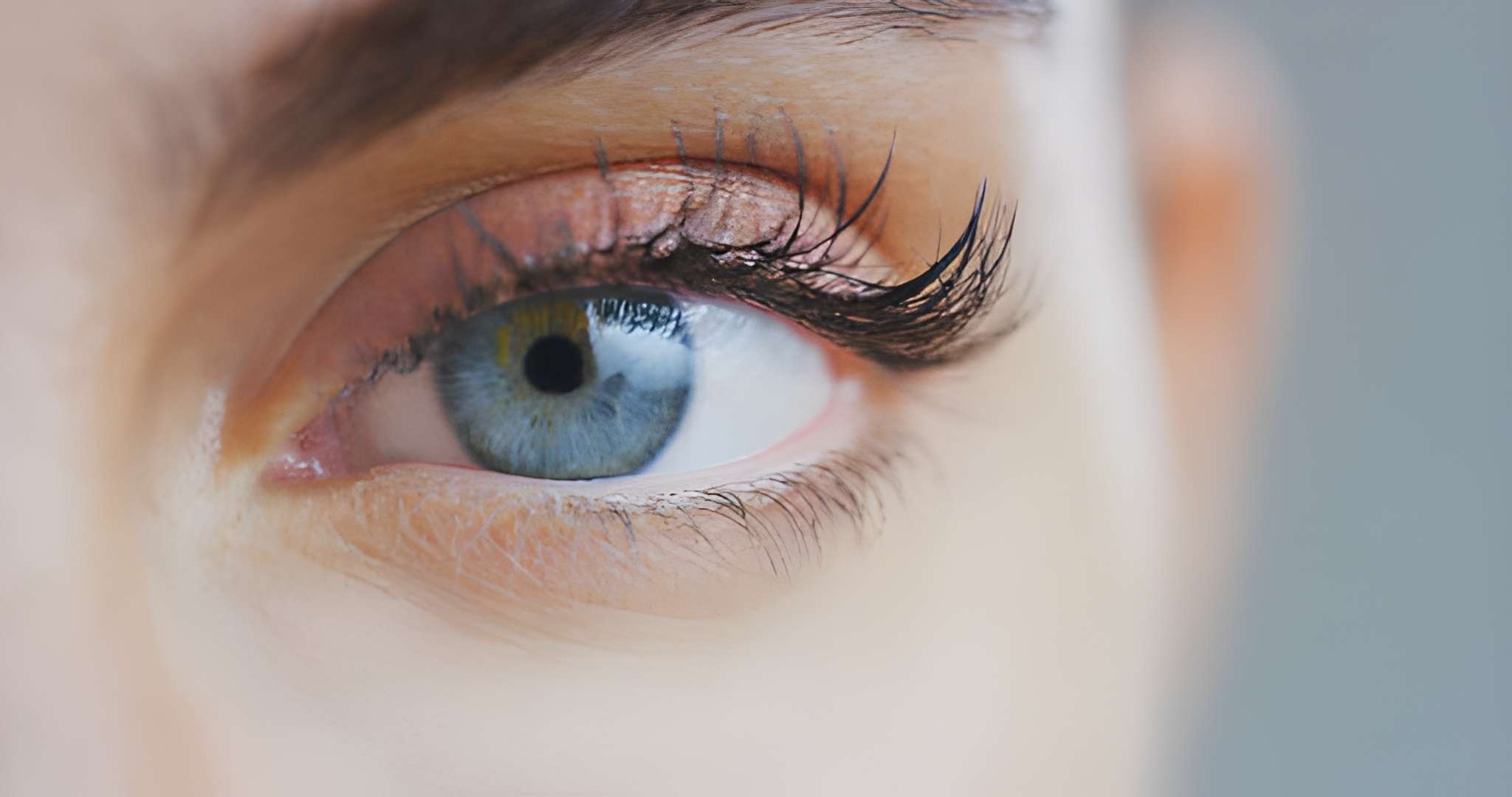
Understanding Eye Health in Ayurveda
Ayurveda classically refers to the eyes as the “seat of fire”—the location where perception transforms into understanding. In the Charaka Samhita and Sushruta Samhita, the texts detail how the organ of vision is intricately linked with both digestive fire and mental clarity. The eye derives nourishment from every tissue in the body, especially the plasma (Rasa Dhatu), blood (Rakta Dhatu), and the nervous tissue (Majja Dhatu). Therefore, any disturbance in digestion, mental strain, or toxin accumulation can directly influence vision.
The essence of vision lies in Alochaka Pitta, the subtle energy that allows perception of light and color. This sub-type of Pitta resides in the retina and optic nerve—where light is metabolized into the images we see. Its well-being depends on the cooperation of Vata, which governs movement and nerve impulses, and Kapha, which provides lubrication and structure. Harmony among these three determines how efficiently eyes perceive the external world.
The Role of the Three Doshas in Eye Health
- Pitta Dosha: Controls brightness, coloration, and overall perception of details. Balanced Pitta ensures sharp, vivid vision. Excess Pitta causes burning, redness, inflammation, and sensitivity to light.
- Vata Dosha: Responsible for synchronization of eye movement and the transmission of signals. When aggravated, it causes dryness, twitching, fluctuating vision, and eye strain.
- Kapha Dosha: Maintains moisture and stability of the eyelids and surrounding tissues. Excess Kapha, however, brings puffiness, discharge, or heaviness.
When one dosha disturbs the others, visual clarity suffers. Hence, Ayurvedic ophthalmology (known as Shalakya Tantra) places equal emphasis on systemic cleansing, nourishment, and mind–body stabilization.
Common Eye Disorders in Ayurvedic Perspective
From dryness to conjunctivitis, almost every condition of the eyes has its roots in a derangement of one or more doshas. Ayurveda classifies ocular diseases into groups depending on their causative dosha and the tissue affected.
Vata-Related Eye Disorders
Vata’s qualities are dry, cold, and irregular. When it dominates the visual system, its signs include:
- Dryness and gritty sensation in the eyes
- Fluctuating or fuzzy vision
- Sensitivity to wind or cold air
- Eye fatigue or spasms from long screen usage
These correspond to modern issues like digital eye strain and chronic dryness.
Pitta-Related Eye Disorders
Pitta’s fire element makes it sharp and hot.
An Ayurvedic approach to eye care that focuses on traditional wellness practices and maintaining overall eye comfort.
Kapha-Related Eye Disorders
Kapha, being heavy and moist, when aggravated, causes:
- Thick, sticky discharge
- Swelling, puffiness, and sluggish circulation
- Blocked tear ducts or congested eyelids
- Tendency toward infections like conjunctivitis
Each doshic pattern suggests a different line of treatment emphasizing detoxification, nourishment, or stimulation.
Ayurvedic Treatment for Eyes: A Holistic Path to Restoration
At Dheemahi Ayurveda Village, every
True eye health in Ayurveda emerges from balancing internal energies rather than relying solely on external medication. Vision healing is achieved through purification of toxins (Ama), restoration of Agni, nourishment of Dhatus, and strengthening of Alochaka Pitta.
Ayurveda integrates therapeutic procedures, herbs, and lifestyle adjustments under one unified principle—balance must be reclaimed at physical, emotional, and spiritual levels.
1. Netra Tarpana (Eye Rejuvenation Therapy)
In this traditional procedure, a soft ring or boundary made of dough is placed around the eyes and filled with lukewarm medicated ghee such as Triphala Ghrita or Jeevaniya Ghrita. The ghee stays in contact with the eyes for several minutes while the patient lies relaxed.
Benefits:
- Lubricates and rejuvenates optic nerves
- Relieves dryness, strain, and burning sensations
- Improves color perception and brightness
- Enhances resilience against digital screen damage
Regular Netra Tarpana forms the cornerstone of preventive Ayurvedic ophthalmology.
2. Nasya (Nasal Therapy)
The nostrils are known as the “doorways to the head.” Administering herbal oils through the nose directly influences brain and eye health. Oils such as Anu Tailam or Shadbindu Tailam eliminate toxins from sinus channels.
Benefits:
- Enhances cerebral and ocular blood flow
- Clears sinus pressure affecting eyesight
- Reduces Vata aggravation and dryness
- Prevents tension headaches related to eye fatigue
A few drops daily, under professional guidance, serve as effective preventive care.
3. Abhyanga and Shirodhara
Full-body oil massage with warm sesame or medicated oils pacifies Vata, while Shirodhara—a continuous stream of herbal oil poured on the forehead—relaxes the nervous system and improves mental clarity.
Together they promote eye health by ensuring deep rest, calm nerves, and regulated sleep patterns.
4. Panchakarma for Ocular Detoxification
Panchakarma for ocular detoxification, known as Netra Shodhana, is an Ayurvedic purification therapy designed to cleanse, cool, and rejuvenate the eyes. It removes accumulated toxins (Ama), balances Pitta and Vata doshas, and strengthens the visual system.
When toxins have deeply settled, generalized detox through Panchakarma becomes essential. Procedures like Virechana (purgation) and Nasya Kriya eliminate excess Pitta from the head and restore balance. Such systemic cleansing purifies blood, relieves chronic inflammation, and strengthens Ojas (vital essence).
This therapeutic detox is custom-tailored after examining constitution and disease stage, ensuring safe rejuvenation.
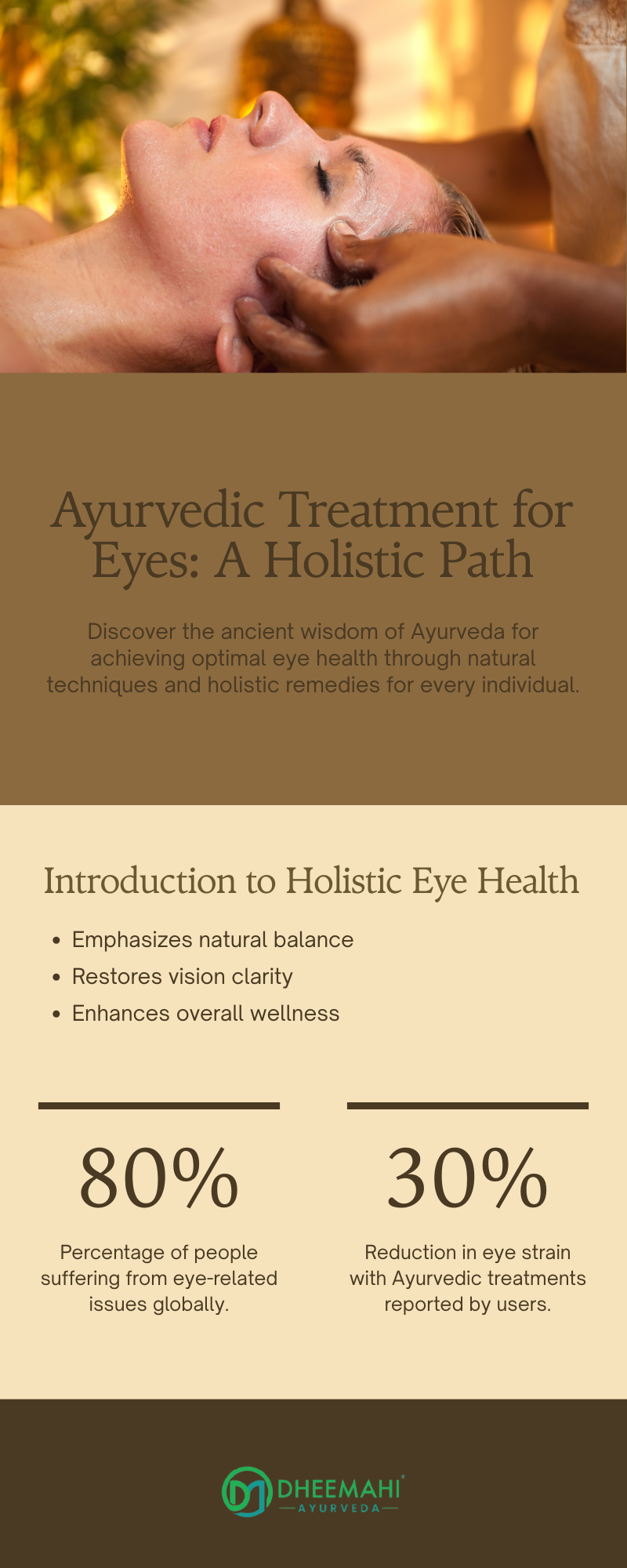
Treatment of Specific Problems through Ayurveda
1. Dry Eyes – Modern Epidemic, Ancient Wisdom
With the digital revolution, dry eyes have become an urban hallmark. Constant exposure to blue light, air-conditioning, and dehydration aggravate Vata, diminishing the lubricating Tears (Kshyama Sneha). Ayurveda’s approach addresses the cause through nourishment and calmness.
Ayurvedic Remedies for Dry Eyes:
- Ghee for Lubrication: Consuming pure cow’s ghee daily supports internal moisture. Applying warm ghee on eyelids at night relieves strain.
- Triphala Eye Wash: Soak Triphala overnight, strain, cool, and rinse eyes gently. It refreshes the eyes and clears mild infections.
- Nasya with Anu Tailam: Lubricates the head region and improves tear secretion.
- Hydration and Sleep: Sipping warm water frequently, along with proper sleep, reduces Vata instability.
Lifestyle Tips:
Avoid screens two hours before sleeping, blink consciously, and use anti-glare filters. Include soaked almonds, dates, and omega-rich seeds in the diet.
Restoring lubrication and calming Vata resolves dryness at its core instead of masking symptoms.
2. Dark Circles – The Shadow of Imbalance
Dark circles under the eyes are not purely aesthetic; they reflect underlying imbalances of Vata, Pitta, or Kapha. Ayurveda interprets them as signs of impaired circulation, dehydration, excessive heat, and fatigue.
Probable Causes
- Vata imbalance: poor sleep, overthinking, dehydration
- Pitta imbalance: excessive heat, anger, or diet rich in spicy foods
- Kapha stagnation: sluggish circulation leading to puffiness
Natural Remedies:
- Cucumber and Aloe Vera: Cooling and hydrating packs soothe under-eye skin.
- Sandalwood or Rosewater Applications: Pacify Pitta and brighten the complexion.
- Triphala Churna or Chyawanprash: Detoxifies the liver and improves skin tone.
- Gentle Abhyanga: Massage almond oil or castor oil around eyes before bed.
Preventive Routine:
Sleep by 10 p.m., follow early dinners, avoid processed foods, and manage emotional stress through meditation. True beauty, Ayurveda teaches, is a reflection of internal serenity.
3. Eye Infections
Conditions like styes or conjunctivitis result from increased Pitta and Kapha, producing heat, inflammation, and sticky secretions. Ayurveda counters this with cleansing, herbal washes, and immune strengthening.
Key Remedies:
- Triphala Decoction Wash: Its antibacterial properties cleanse eyes and reduce burning.
- Pure Rose Water Compress: Soothes irritation and refreshes tissues.
- Turmeric Milk: Consuming at night purifies blood and reduces internal inflammation.
- Neem Leaf Paste (for outer application): Cools and resists microbial growth.
Dietary Advice:
Favor lighter, bitter vegetables like neem leaves and bitter gourd. Avoid fried, sour, or fermented foods. Drink coriander seed water for systemic cooling.
Hygiene Measures:
Keep eyes free from cosmetic residue, clean contact lenses, and wash hands regularly. By removing heat and mucous congestion, Ayurveda restores the eye’s natural defense.
Daily Ayurvedic Eye Care Routine (Dinacharya for Vision)
A well-planned daily regimen prevents deterioration of vision and maintains ocular vitality. Ayurveda recommends specific actions morning, day, and night.
Morning Practices
- Splash eyes with cold water immediately upon waking.
- Apply mild Anjana (collyrium) or herbal eye drops (under supervision).
- Perform palming – warm palms and place them gently over eyes for relaxation.
- Practice light yogic eye exercises like focusing on distant and near points.
Daytime Care
- Follow the 20-20-20 rule during screen time.
- Keep hydration adequate; sip herbal teas with fennel or coriander.
- Include vitamin A–rich vegetables, amla, and leafy greens in meals.
- Avoid frequent rubbing of eyes or exposure to harsh sunlight.
Evening Wind Down
- Wash eyes with cool water post-work.
- Massage ghee gently on soles of feet and around eyelids.
- Practice deep breathing for mental ease before sleep.
- Sleep in a dark, gadget-free room to help regeneration of Alochaka Pitta.
This rhythmic routine keeps visual organs lubricated, calm, and stable across years.
Yogic Practices and Eye Exercises
Yoga and Ayurveda complement each other in preserving vision. Simple eye movements strengthen muscles and relieve digital fatigue.
- Rotate eyes slowly in clockwise and counterclockwise directions.
- Focus alternately on distant and near objects to improve accommodation.
- Perform Trataka (steady gazing) daily to enhance concentration and clear mental tension.
- Practice Nadi Shodhana Pranayama to balance energy flow to head and eyes.
Regular yoga integrates mind and vision, reducing strain while sharpening attention.
Diet, Lifestyle, and Mental Composure
The eyes thrive on a diet that cools Pitta, lubricates Vata, and stabilizes Kapha. Ayurveda underlines that what the mind sees and how the heart feels directly influence vision. Emotional heat, anger, or anxiety can disturb ocular Pitta, while exhaustion and worry aggravate Vata.
Foods That Nourish the Eyes
- Amla (Indian Gooseberry): Restores vision and rejuvenates tissues.
- Carrots, spinach, and beetroot: Rich in carotenoids beneficial for retina.
- Cow’s ghee and milk: Offer grounding nourishment for all doshas.
- Fennel seeds: Traditionally chewed after meals to cool the eyes.
- Triphala: Detoxifies and supports eye strength.
Foods to Avoid
- Spicy, fried, and acidic foods that inflame Pitta.
- Excess alcohol, caffeine, or refined sugars.
- Late-night eating that weakens digestion.
Mind-Body Harmony
Meditation, gratitude practices, and time in nature pacify Pitta and foster relaxed focus. Anger, jealousy, and ambition overstimulate ocular nerves. Ayurveda often prescribes Pranayama, chanting, or silent contemplation as medicines for the eyes as much as for the mind.
Special Ayurvedic Herbs and Formulations
Several classical herbal preparations serve as natural protectors and healers for the eyes:
- Triphala Ghrita: Medicated ghee that rejuvenates optic tissues.
- Mahatriphala Ghrita: Intensified formula for chronic eye disorders.
- Chandanadi Anjanam: Eye ointment soothing for Pitta imbalance.
- Saptamrita Lauha: Iron-based formulation strengthening optic function.
Taken under the supervision of an Ayurvedic physician, these compounds fortify vision and delay age-related decline.
Age-Related Vision Decline and Preventive Ayurveda
Modern science relates age-related macular degeneration and presbyopia to oxidative stress. Ayurveda associates them with progressive depletion of Ojas and deterioration of Majja Dhatu.
Preventive measures involve:
- Annual Netra Tarpana sessions to nourish eye tissues.
- Seasonal detoxification to clear accumulated Pitta.
- Regular intake of Rasayana herbs like Ashwagandha and Amalaki.
- Maintaining a serene lifestyle free from overwork and sensory overload.
These timeless principles delay premature vision loss naturally.
The Modern Digital Challenge and Ayurvedic Adaptation
In contemporary life, humans spend 8–10 hours daily before digital screens, straining eyes and nervous pathways. Ayurveda recommends adapting ancient principles to the digital context:
- Keep screens below eye level to relax ocular muscles.
- Blink consciously and stretch the body hourly.
- Follow oil-based massage around temples after long work sessions.
- Diffuse calming essential oils—sandalwood or rose—to cool Pitta.
- Introduce “digital fasting” days to restore inner stillness.
Incorporating these habits bridges traditional wisdom with modern needs, proving Ayurveda’s timeless adaptability.
Emotional and Spiritual Vision
True vision in Ayurveda extends beyond physical sight—it includes perception of truth, awareness, and consciousness. Disturbed eyes often mirror disturbed thinking. When one learns to “see rightly,” emotional lenses clear, and inner light returns. Thus, Ayurvedic eye care becomes both physiological and meditative—a path toward mindfulness and clarity.
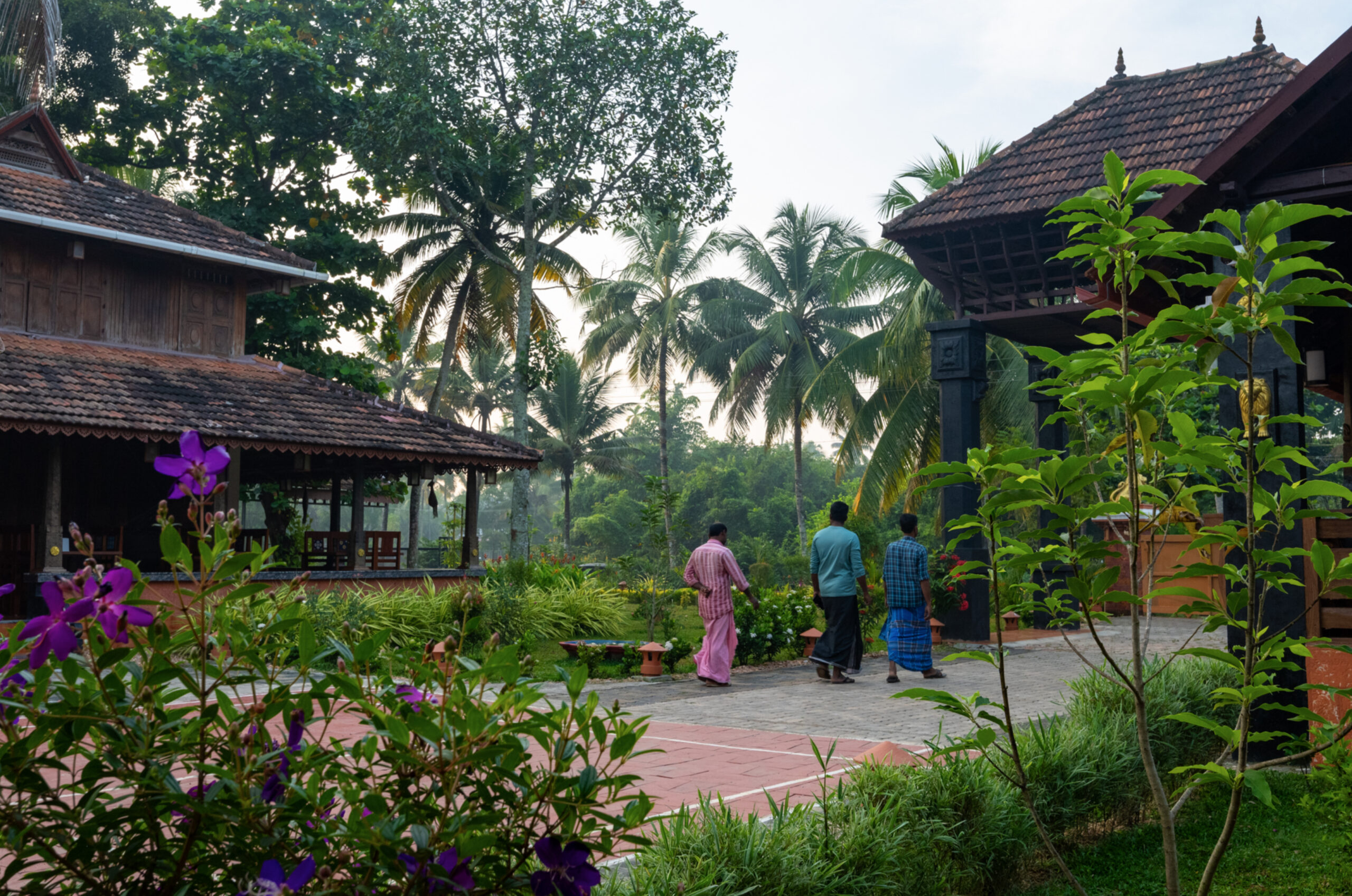
Dheemahi Ayurvedic Village: Personalized Eye and Dosha Healing
At Dheemahi Ayurvedic Village, eye care follows a comprehensive framework that intertwines traditional understanding with personalized assessment. Treatments begin with evaluating one’s constitutional type, lifestyle habits, and emotional state. Therapeutic programs may include synchronized detox, Netra Tarpana cycles, Nasya sessions, and Rasayana rejuvenation, supported by wholesome meals tailored to stabilize doshas.
Each patient is guided in daily self-care routines involving yoga, diet, and meditation. Digital detox programs and stress-minimizing therapies enhance lasting eye health. This holistic approach ensures that vision, vitality, and tranquility evolve together.
Conclusion
Ayurveda teaches that the eyes are both physical instruments of perception and spiritual gateways to awareness. Their vitality reflects how clearly we see ourselves and the world around us. Environmental stressors, emotional turbulence, and irregular habits cause doshic imbalance, leading to declining vision. Rebalance is restored through mindful diet, cleansing, rejuvenation, and living in tune with nature’s rhythms.
Healthy eyes are born of harmony—between movement (Vata), transformation (Pitta), and stability (Kapha). Through classical therapies like Netra Tarpana, daily routines, and conscious living, we can preserve clarity of sight and mind throughout every stage of life.
At Dheemahi Ayurvedic Village, this philosophy guides every treatment: detoxify what clouds, nourish what perceives, and harmonize what feels. When the doshas are balanced, the eyes regain their glow, the mind finds its calm, and vision—both literal and inner—becomes radiant once again.
Frequently Asked Questions
What is not included in the tariff and charged extra?
- Taxi pick-up from Kochi Airport: ₹3000/- for small cars (4-seater) and ₹4500/- for big cars (6-seater)
- Taxi pick-up from Kottayam railway station: ₹1400
- Boating to the lake
- Laundry: ₹150 per wash cycle (washing and drying only, no ironing)
- Medical investigations (blood tests, urine tests, ultrasonography, etc.) and associated transportation charges
- Aftercare medications to take home
- Any additional transportation needs
- Therapies outside the scope of the doctor's advice
What is the daily program schedule?
Our daily routine may vary based on consultation decisions, but generally include:
- 6:30 AM: Yoga (replaced by therapy sessions on some days)
- 7:45 AM: Kashaya Pana (Herbal Medicines)
- 8:00 AM: Breakfast
- 9:30 AM - 12:30 PM: Therapy Sessions
- 12:45 PM: Lunch
- 2:30 PM: Therapy Sessions as per schedule
- Evening: Walk, cycling, or swimming pool
- 6:45 PM: Kashaya Pana (Herbal Medicines)
- 7:00 PM: Dinner
- Early to bed
What should I carry with me to the resort?
- Clothes: Casuals, light woolens, cotton tees, Swimming apparels and trousers for yoga classes
- Medical: Past medical history records and prescriptions
- Books, etc.
What is your payment and cancellation policy?
- A 25% advance payment of the total booking amount is required to confirm your reservation.
- If the reservation is cancelled more than 30 days before the scheduled arrival date, the advance payment will be refunded in full (100%).
- If the reservation is cancelled within 30 days of the scheduled arrival date, the advance payment will be non-refundable.
- The remaining balance is payable on the second day of arrival.
- Any changes to travel plans should be communicated to us as early as possible.
How do I choose the right package?
Our doctors will select the best package to ensure you receive the most suitable treatment for your needs.
How do I book a stay?
- Step 1: Submit a consultation form
- Step 2: Discuss with the doctor
- Step 3: Confirm your booking
How Our Booking Process Works
The unique approach involves a series of discussion during your initial decision-making process to make sure that we will be able to match your expectations with our treatment.
Based on the discussions with you our team of expert doctors will design the best treatment package personalized for your needs.
01
Consultation Form
Fill out our consultation form, and let us know when will you be available for our doctor to talk to you
02
Discussion with Doctor
Discuss your health condition and expectations with our doctor.
03
Booking Confirmation
Confirm the booking by making a payment of 50% advance.
Consultation Form
Submit this form to initiate a booking with us
Have any queries? We will help you. Talk to us now
Say Goodbye to Health Woes & Hello to Healthy Living
Dheemahi Ayurvedic Pvt Ltd
12/386 Varaputhara Road
Kumarakom, Kerala, India
Pin 686563
Dheemahi Ayurvedic Centre, Near Neelimangalam Bridge, Kumaranaloor, Perumbaikad.P.O, Kottayam, Kerala, India, Pin 686016
Other Treatments
Karkidaka Chikilsa | Ayurvedic Treatment for Depression | How to Reduce Stress Naturally | Autoimmune Disorders | Weight-Loss Treatment | Frozen Shoulder Ayurvedic Treatment | Diabetes Ayurvedic Treatment | PCOS Ayurvedic Treatment | Celiac Disease Treatment | ayurvedic treatment for skin diseases | nervous system ayurvedic treatment | Back Pain Ayurvedic Treatment | Cervical Spondylitis Ayurvedic Treatment | ayurvedic treatment for blood sugar | Fatty Liver Ayurvedic Treatment | Knee Pain Ayurvedic Treatment | Migraine Ayurvedic Treatment | Osteoarthritis Ayurvedic Treatment | Psoriasis Ayurvedic Treatment | Sinusitis Ayurvedic Treatment | Ayurvedic Detox Treatment | Ayurvedic Treatment for Rheumatoid Arthritis | Ayurvedic treatment for joint pain | Ayurvedic treatment for ulcerative colitis | Panchakarma Treatment |