
Ayurvedic Diet for Weight Loss: A Personalized Approach to Healthy Eating
Discover how an Ayurvedic diet for weight loss supports healthy eating through personalized nutrition, mindful habits, digestion, and balanced lifestyle practices.
Weight management is not simply about eating less. The quality of food, meal timing, digestive capacity, daily routine, activity level, sleep, stress, and individual body constitution can all influence how a person approaches healthy weight management. Ayurveda takes a personalized view of these factors and considers food an important part of maintaining balance and well-being.
An Ayurvedic diet for weight loss is therefore not a rigid calorie-restricted menu that is identical for everyone. Instead, Ayurvedic dietary guidance may consider an individual’s Prakriti (constitution), Vikriti(imbalanced state), digestive strength, lifestyle, food habits, seasonal influences, and overall health goals.
When followed with appropriate professional guidance, an Ayurvedic diet can become part of a broader approach to healthy weight management. In Kerala, where Ayurveda has a long-standing traditional presence, this approach can also include locally available foods, mindful eating practices, yoga and structured daily routines.
What Is an Ayurvedic Diet for Weight Loss?
An Ayurvedic diet for weight loss is a food-based approach inspired by Ayurvedic principles of digestion, balance, and individualized nutrition. Rather than focusing only on the number on the weighing scale, Ayurveda traditionally gives importance to how well the body digests and utilizes food.
The approach may involve choosing foods according to individual needs, improving meal timing, reducing excessive or unsuitable foods, and establishing eating habits that are easier to maintain over time.
Ayurvedic dietary planning may take factors such as Vata, Pitta, and Kapha into consideration. However, this does not mean that everyone with a particular Dosha should follow exactly the same diet. A person’s constitution and current condition can differ, which is why individualized guidance is important.
The goal is to develop practical eating habits that support digestion, energy, and healthier weight management rather than depending on extreme restrictions.
How Ayurveda Looks at Weight and Digestion
Ayurveda traditionally connects healthy digestion with overall well-being. Concepts such as Agni (digestive capacity), Ama (undigested or improperly processed material in Ayurvedic theory), Kapha, and Medas (adipose tissue in Ayurvedic terminology) are discussed in classical Ayurvedic approaches to excess weight.
From this perspective, frequent overeating, irregular meals, excessive intake of heavy or highly processed foods, inadequate activity, and an inconsistent routine may contribute to an imbalance.
This is different from viewing weight only as a matter of willpower. Eating patterns, sleep, stress, and daily habits can influence how consistently a person follows a healthy lifestyle.
An Ayurvedic dietary approach therefore focuses on the complete pattern rather than on one individual food.
Why Choose a Personalized Ayurvedic Diet Plan for Weight Loss?
There is no single diet that is suitable for every person. Two individuals may have similar weight-management goals but completely different food preferences, digestive patterns, lifestyles, and health considerations.
A personalized Ayurvedic diet plan for weight loss can take these differences into account.
It Considers Individual Constitution
Ayurveda recognizes three Doshas: Vata, Pitta, and Kapha. These are traditional Ayurvedic concepts used to describe different physiological and functional tendencies.
It Gives Importance to Digestive Capacity
The same food may not be equally comfortable for everyone. Ayurveda places importance on Agni, or digestive capacity, when considering dietary habits.
It Focuses on Sustainable Habits
Extreme diets can be difficult to maintain. Very restrictive eating may also make it challenging for people to follow their routine when they return to work, travel, or family life.
Foods Commonly Included in an Ayurvedic Weight Loss Diet
Food selection depends on individual needs, but an Ayurvedic dietary approach may emphasize fresh, minimally processed, and appropriately prepared foods.
Whole Grains and Traditional Grains
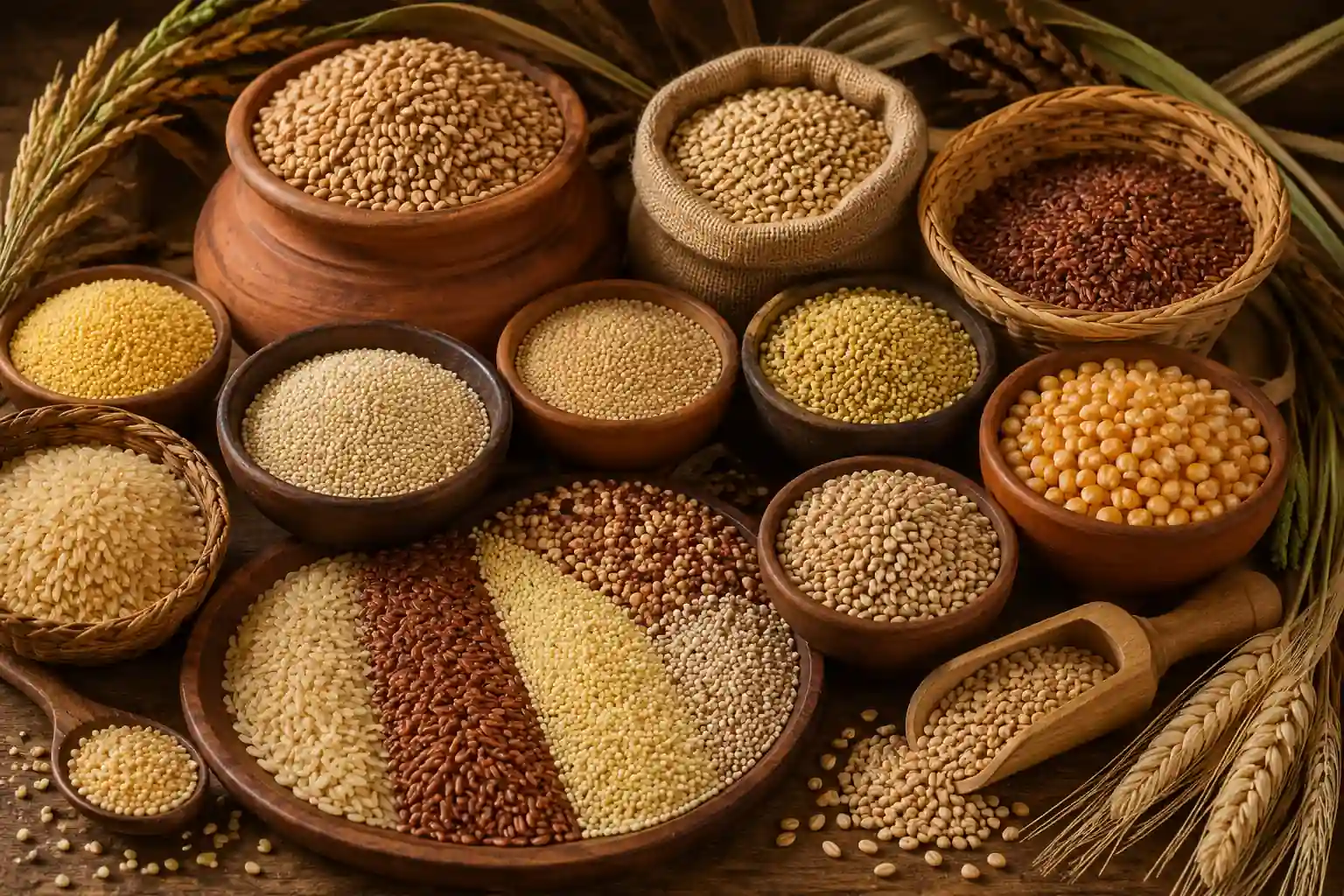
Depending on individual dietary needs, grains such as barley, millet, and certain traditional rice varieties may be included. Barley is traditionally valued in Ayurveda for its lighter qualities and is frequently discussed in dietary approaches for managing excess weight. Millets can also provide variety in a balanced meal. Portion size and preparation remain important. A food does not automatically become appropriate simply because it is traditionally associated with weight management.
Fresh Vegetables
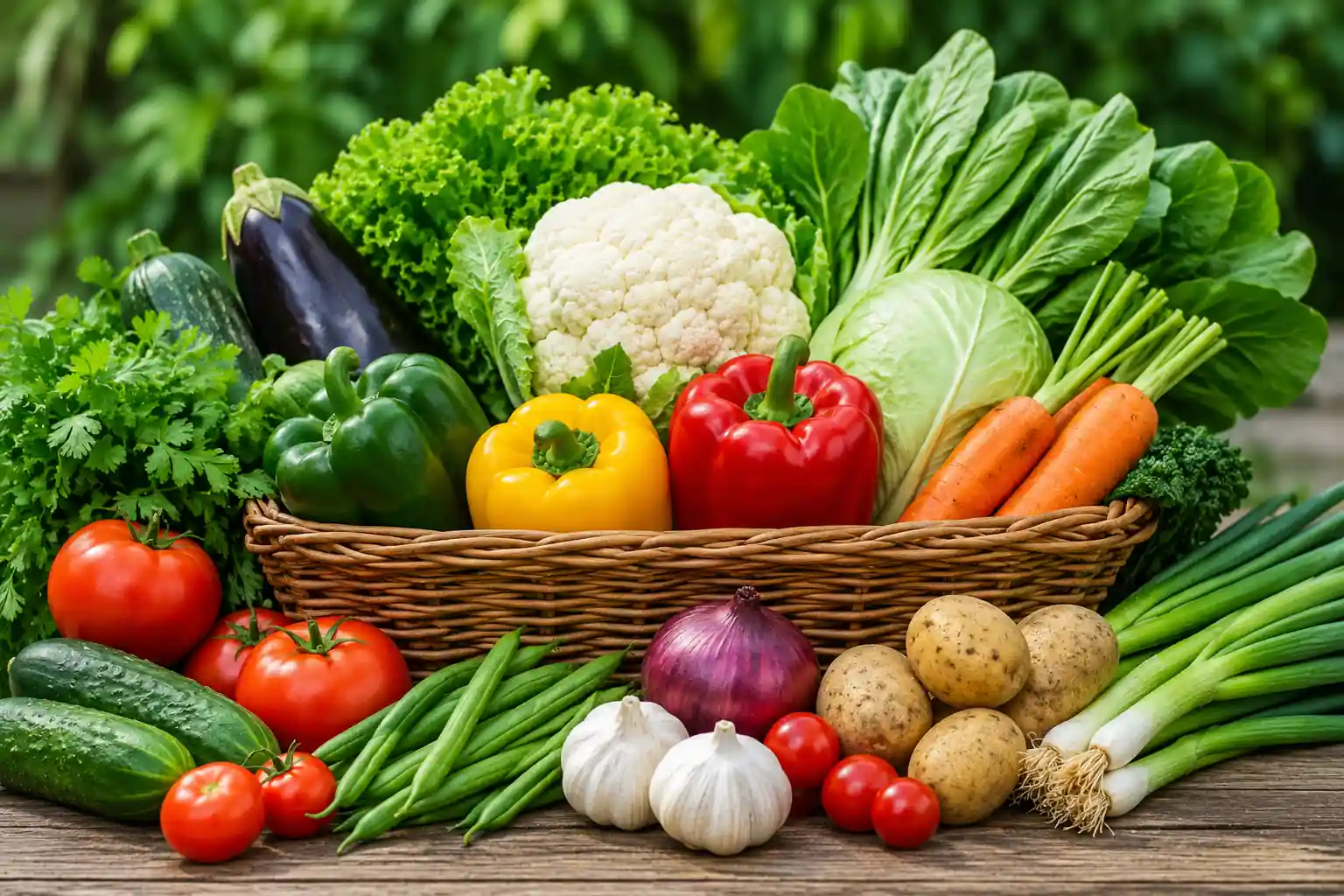
Vegetables can form an important part of a balanced meal. Leafy greens, gourds, carrots, beans, and other seasonal vegetables can provide variety and dietary fibre. Ayurvedic cooking generally emphasizes appropriate preparation rather than relying entirely on raw foods. Steaming, lightly cooking, or preparing vegetables with suitable spices may make meals easier to incorporate into a daily routine.
Fruits
Fresh fruits can be included according to individual tolerance and dietary requirements. Fruits such as apples, pomegranates, and papayas are commonly discussed in Ayurvedic dietary practices. Rather than consuming large quantities of fruit juices, choosing whole fruits can be a more practical way to include them in a balanced eating pattern.

Legumes and Pulses
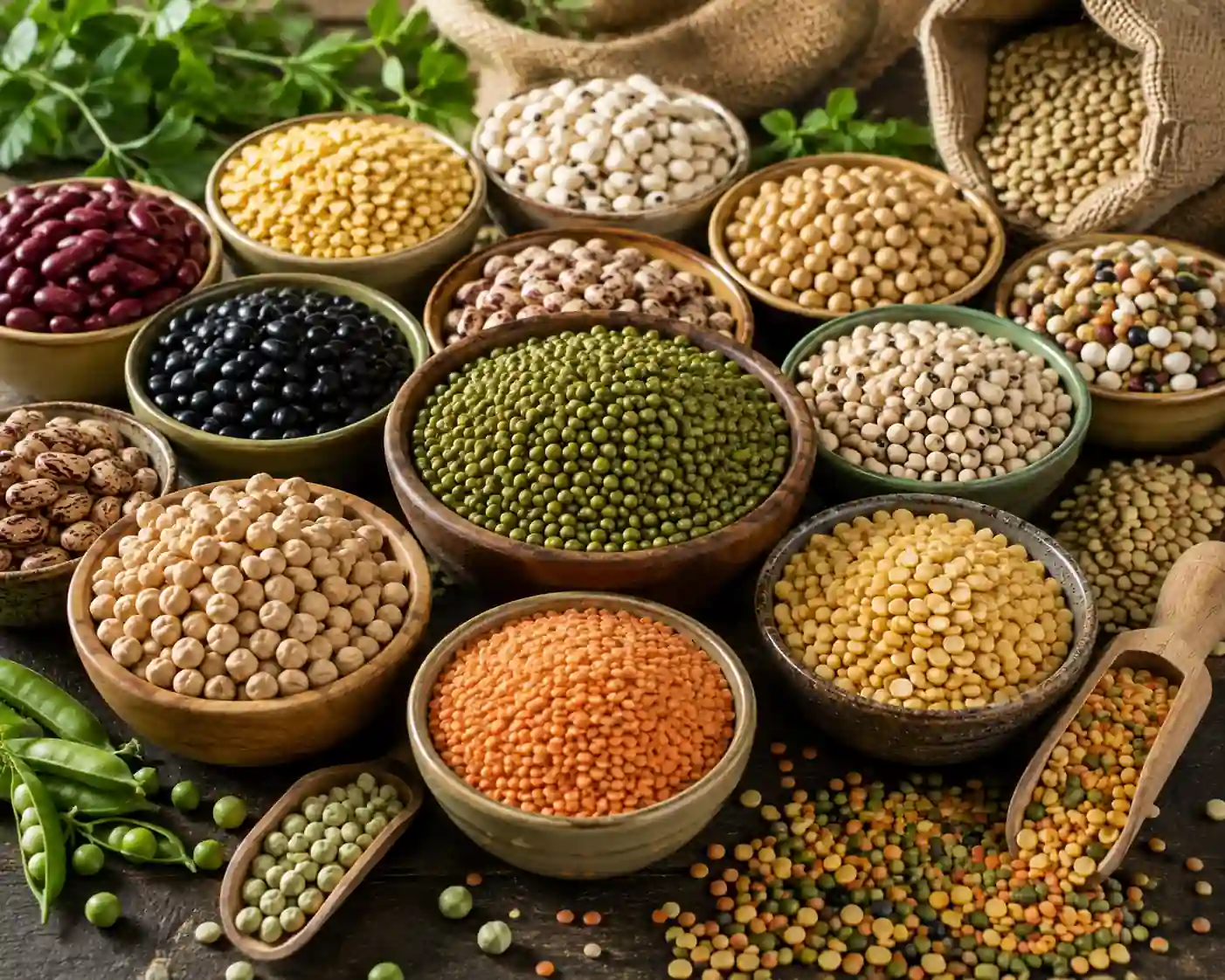
Green gram, commonly known as moong dal, is widely used in traditional Ayurvedic cuisine. It can be prepared as a light meal, soup or part of a balanced dish. Other pulses may also be appropriate depending on digestion and individual dietary needs.
Herbs and Spices
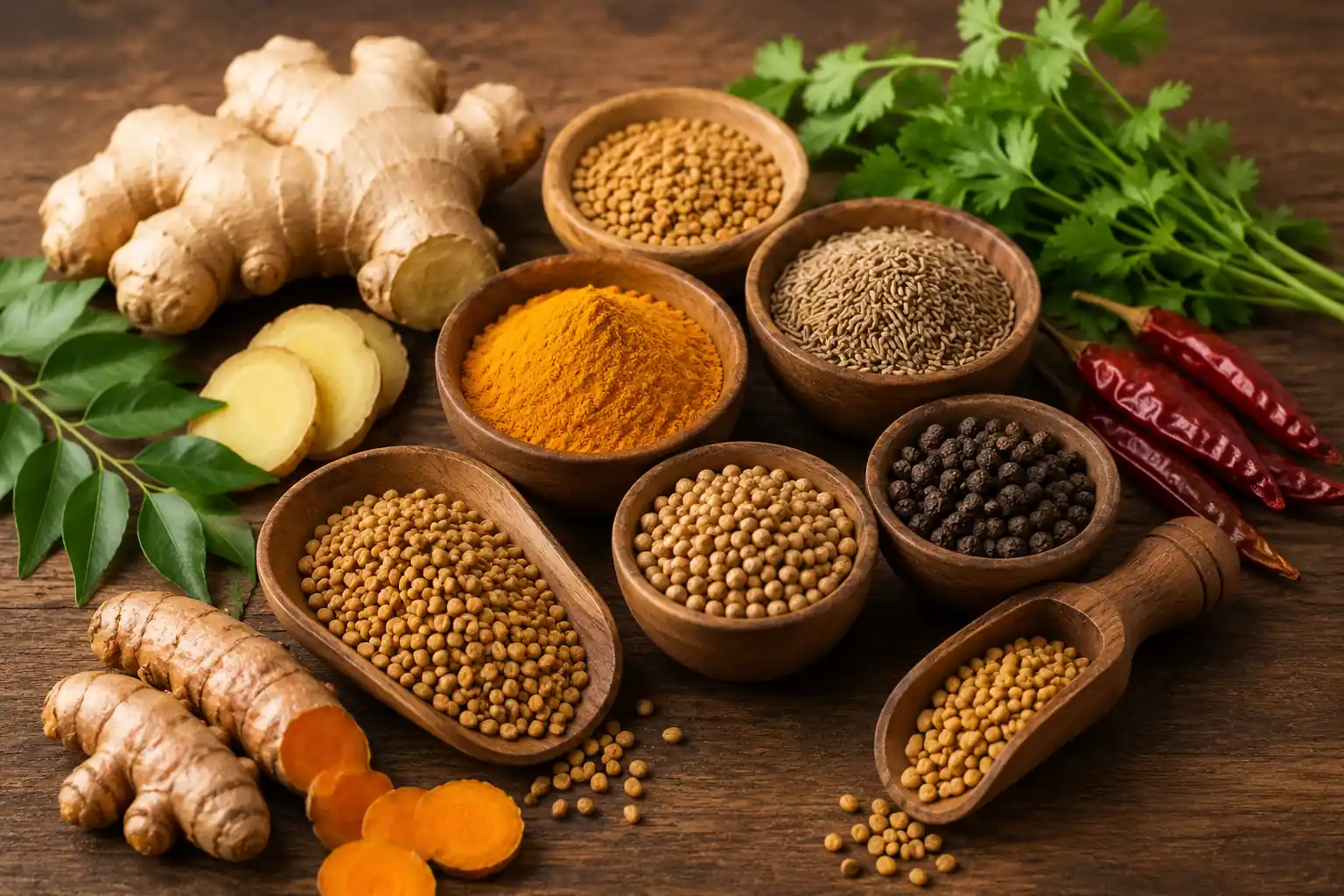
Traditional Indian cooking offers a wide range of spices that can add flavour without relying heavily on rich sauces or excessive oils. Ginger, turmeric, cumin, coriander, black pepper, and fenugreek are commonly used in Ayurvedic-inspired cooking. These ingredients should be viewed primarily as culinary components rather than guaranteed fat-burning remedies.
Foods to Limit for Better Weight Management
An Ayurvedic diet for weight loss generally emphasizes moderation rather than creating an unnecessarily long list of forbidden foods. Highly processed foods, frequent deep-fried meals, foods high in added sugar, excessive sweets, sugary beverages, and very heavy meals may make healthy weight management more difficult. Frequent snacking without hunger can also increase overall food intake. Eating large meals late at night may be inconsistent with a structured routine. The objective is not to create fear around food. Instead, it is to identify eating patterns that can be adjusted gradually and realistically.
The Importance of Meal Timing in Ayurveda
What you eat is only one part of dietary planning. When you eat can also influence your routine. Ayurvedic practices traditionally encourage regularity in daily activities. Establishing reasonably consistent meal times can help reduce random eating and unnecessary snacking.
A simple routine may include:
A nourishing breakfast according to individual needs
A balanced main meal during the daytime
Adequate time between meals when appropriate
Avoiding habitual late-night eating
A lighter evening meal
Mindful Eating: An Often-Overlooked Part of Weight Management
Modern eating habits can involve distractions such as mobile phones, television, rushed meals, and eating while working. Ayurveda gives importance to conscious eating. Sitting down for meals, eating slowly, paying attention to hunger and fullness signals, and avoiding unnecessary distractions can help make meals more intentional. Mindful eating can also help people recognize the difference between physical hunger and habitual or emotional eating. Rather than concentrating entirely on restriction, the emphasis becomes awareness.
Kerala-Inspired Ayurvedic Nutrition
Kerala provides an interesting culinary environment for an Ayurvedic dietary approach. Traditional Kerala cuisine includes rice, vegetables, coconut, legumes, spices, fermented foods, and a wide variety of seasonal ingredients. However, traditional does not automatically mean suitable for every weight-management goal. An individualized Kerala Ayurvedic diet may modify familiar dishes according to portion size, preparation method, ingredients, and personal dietary requirements. For example, a meal may emphasize vegetables and suitable protein sources while keeping portions of calorie-dense ingredients appropriate to the individual’s needs. This makes it possible to retain the cultural and culinary character of Kerala while creating a more balanced eating pattern.
A Simple Ayurvedic Weight Loss Meal Structure
There is no universal Ayurvedic diet chart that should be followed by everyone. However, a general meal structure can demonstrate how balanced eating may be organized.
Morning
Start the day with a suitable beverage or breakfast based on individual needs. The emphasis should be on nourishing food rather than highly processed breakfast products.
Midday
Lunch can be structured as a balanced meal containing appropriate grains, vegetables, and protein sources such as pulses or legumes. Freshly prepared food may be preferred over heavily processed alternatives.
Evening
Dinner can be lighter than the main daytime meal. Vegetable-based preparations, soups, suitable grains, or other individually recommended foods may be considered.
Between Meals
If snacks are needed, choices can be planned rather than relying on sweets, fried snacks, or packaged foods. The exact foods, quantities, and meal timing should be personalized rather than copied from a generic internet diet chart.
Role of Hydration in an Ayurvedic Diet
Adequate hydration is an important part of a healthy lifestyle. Water requirements vary according to factors such as climate, physical activity, diet, and individual needs. In Ayurvedic settings, warm or room-temperature water and traditional herbal beverages may sometimes be incorporated into routines. However, herbal drinks should not be considered a replacement for balanced nutrition or a guaranteed weight-loss solution. Simple hydration habits are often more sustainable than relying on expensive “detox” beverages or commercial weight-loss drinks.
Yoga and Daily Routine Alongside Diet
Diet works best when it is part of a broader lifestyle. Yoga can complement an Ayurvedic weight-management routine by supporting physical activity, mobility, relaxation, and body awareness. Pranayama and meditation may also be incorporated as part of a balanced wellness routine. Dinacharya, or daily routine, similarly emphasizes regularity in activities such as waking, eating, activity, and sleeping. Adequate sleep and stress management should not be overlooked. Emotional stress and poor sleep can make it harder for some people to maintain consistent eating and activity habits. A complete approach therefore considers food, movement, rest, and routine together.
Why Doctor-Guided Ayurvedic Nutrition Matters
Online Ayurvedic diet charts can appear convenient, but they cannot account for every individual’s circumstances. A qualified Ayurvedic physician can consider factors such as constitution, digestive patterns, current health status, food habits, lifestyle, and weight-management goals before suggesting dietary changes. A Doctor Guided Weight Loss Retreat in Kerala can provide a more personalized approach by combining professional Ayurvedic guidance with nutrition planning and healthy lifestyle practices. Professional guidance is particularly important for individuals taking medications, managing chronic health conditions, pregnant or breastfeeding individuals, or anyone considering significant dietary restrictions. Ayurvedic herbs and formulations should also not be self-prescribed simply because they are marketed for weight loss. Products such as Triphala or other traditional formulations may not be appropriate for everyone. A supervised approach prioritizes personalization and safety rather than promising rapid results.
Ayurvedic Diet vs Crash Diets
Crash diets often focus on achieving rapid changes in body weight through severe calorie restriction or eliminating major food groups. An Ayurvedic dietary approach has a different emphasis. It aims to develop an eating routine that can be continued beyond a short programme. Instead of asking, “How quickly can I lose weight?”, the focus can shift toward questions such as:
Is my eating routine consistent?
Am I choosing appropriate portions?
Are my meals mostly fresh and balanced?
Am I eating because of hunger or habit?
Am I getting enough movement and sleep?
Can I continue these habits after returning home?
How an Ayurvedic Diet Can Fit Into a Kerala Wellness Retreat
For people who prefer structured support, an Ayurvedic wellness retreat in Kerala can provide an environment where dietary habits are easier to establish. Ayurvedic Weight Loss Treatment in Kerala may combine personalized Ayurvedic consultations with nutrition guidance, yoga, relaxation practices, and selected therapies according to individual requirements. One of the advantages of learning about food in a retreat setting is the opportunity to experience how Ayurvedic meals are prepared and served rather than simply receiving a written diet chart. Guests can learn about ingredients, portion awareness, meal timing, and practical cooking approaches that can be adapted after returning home. The purpose is not simply to follow a special menu during a holiday. The more useful goal is to understand how appropriate food choices can become part of everyday life.
Building an Ayurvedic Diet You Can Continue at Home
The success of a weight-management diet is not determined only by what happens during a retreat or consultation. Long-term consistency matters.
After returning home, simple habits can help maintain progress:
- Plan meals before the week becomes busy.
- Keep fresh ingredients available.
- Reduce dependence on packaged snacks.
- Choose appropriate portions.
- Maintain regular meal times.
- Include vegetables and suitable protein sources in meals.
- Stay physically active.
- Maintain a consistent sleep routine.
- Continue the practices recommended by your healthcare or Ayurvedic professional.
Small changes repeated consistently can be easier to maintain than dramatic dietary restrictions.
Who Can Consider an Ayurvedic Diet for Weight Loss?
An Ayurvedic dietary approach may appeal to adults who want to improve their eating habits while incorporating traditional wellness principles.
It can be particularly relevant for people who:
- Prefer a personalized approach to nutrition
- Want to improve their everyday eating habits
- Are looking for an alternative to extreme dieting
- Want to combine dietary changes with yoga and lifestyle practices
- Are interested in learning about Ayurvedic food traditions
- Prefer professional guidance when changing their diet
However, people with medical conditions or specific nutritional requirements should seek appropriate professional advice before making significant dietary changes.
Frequently Asked Questions
Can an Ayurvedic diet help with weight management?
An Ayurvedic diet can support healthier eating patterns as part of a broader weight-management lifestyle. Its focus may include appropriate food choices, meal timing, digestion, mindful eating and individualized dietary recommendations.
Is an Ayurvedic diet the same for everyone?
No. Ayurvedic dietary recommendations are traditionally individualized. Constitution, digestive capacity, lifestyle, food habits, season and overall health may influence dietary choices.
What are some commonly used foods in an Ayurvedic weight loss diet?
Fresh vegetables, suitable whole grains, green gram, selected fruits, legumes and traditional herbs and spices may be included. The appropriate foods and quantities depend on individual requirements.
Can I follow an Ayurvedic diet without visiting a retreat?
Yes. Many healthy eating principles can be incorporated at home. However, personalized dietary advice from a qualified professional can be useful when you have specific weight-management goals or health considerations.
Is Ayurvedic diet suitable for rapid weight loss?
Ayurvedic dietary approaches are better viewed as part of sustainable lifestyle management rather than a promise of rapid weight loss. Individual results vary, and healthy weight management should take overall well-being into consideration.
How Our Booking Process Works
The unique approach involves a series of discussion during your initial decision-making process to make sure that we will be able to match your expectations with our treatment.
Based on the discussions with you our team of expert doctors will design the best treatment package personalized for your needs.
01
Consultation Form
Fill out our consultation form, and let us know when will you be available for our doctor to talk to you
02
Discussion with Doctor
Discuss your health condition and expectations with our doctor.
03
Booking Confirmation
Confirm the booking by making a payment of 50% advance.
Consultation Form
Submit this form to initiate a booking with us
Have any queries? We will help you. Talk to us now
Say Goodbye to Health Woes & Hello to Healthy Living
Dheemahi Ayurvedic Pvt Ltd
12/386 Varaputhara Road
Kumarakom, Kerala, India
Pin 686563
Dheemahi Ayurvedic Centre, Near Neelimangalam Bridge, Kumaranaloor, Perumbaikad.P.O, Kottayam, Kerala, India, Pin 686016
Other Treatments
Karkidaka Chikilsa | Ayurvedic Treatment for Depression | How to Reduce Stress Naturally | Autoimmune Disorders | Mental Health Ayurvedic Treatment | Weight-Loss Treatment | Frozen Shoulder Ayurvedic Treatment | Diabetes Ayurvedic Treatment | PCOS Ayurvedic Treatment | Celiac Disease Treatment | ayurvedic treatment for skin diseases | nervous system ayurvedic treatment | Back Pain Ayurvedic Treatment | Cervical Spondylitis Ayurvedic Treatment | ayurvedic treatment for blood sugar | Fatty Liver Ayurvedic Treatment | Knee Pain Ayurvedic Treatment | Migraine Ayurvedic Treatment | Osteoarthritis Ayurvedic Treatment | Psoriasis Ayurvedic Treatment | Sinusitis Ayurvedic Treatment | Ayurvedic Detox Treatment | Migraine Ayurvedic Treatment | Ayurvedic Treatment for Rheumatoid Arthritis | Ayurvedic treatment for joint pain | Ayurvedic treatment for ulcerative colitis | Panchakarma Treatment |