
Ayurvedic Diet During a Stress Retreat: What to Eat and Why It Matters
A stress retreat is an opportunity to step away from demanding routines and create more space for rest, mindful eating, movement, and relaxation. Food can be an important part of this experience. An Ayurvedic diet during a stress retreat may focus on balanced, nourishing meals that complement other wellness practices such as yoga, meditation, and Ayurvedic therapies.
In Ayurveda, food is traditionally considered an important part of daily wellbeing. During a retreat, meals may therefore be planned alongside the individual’s routine, digestive comfort and wellness goals.
However, an Ayurvedic diet should not be presented as a cure for stress or a replacement for medical care. Dietary needs vary from person to person, especially for individuals with medical conditions, food allergies, pregnancy, breastfeeding, or prescribed dietary requirements.
If you are considering a structured programme, explore our Stress Relief Retreat in Kerala to learn how dietary routines can form part of a broader Ayurveda and wellness experience.
Quick Summary
- An Ayurvedic diet during a stress retreat may emphasise balanced, nourishing, and suitable meals.
- Food choices can be adjusted according to individual needs, digestive tolerance and dietary restrictions.
- Vegetables, fruits, grains, pulses and other minimally processed foods can form part of a balanced dietary pattern.
- Regular meals and adequate fluid intake can support a healthy daily routine.
- Ayurvedic herbs and supplements should not be started without appropriate professional advice.
- People with medical conditions or those taking medicines should discuss significant dietary changes with a qualified healthcare professional.
The World Health Organization’s guidance on healthy diets recommends a varied diet that includes foods such as vegetables, fruits, legumes, nuts and whole grains, while limiting excessive amounts of free sugars, salt and unhealthy fats.
What Is an Ayurvedic Diet During a Stress Retreat?
An Ayurvedic diet during a stress retreat is generally intended to complement the overall retreat routine rather than act as a standalone treatment.
Instead of following exactly the same menu for every guest, an Ayurvedic wellness programme may consider factors such as:
- Individual food preferences
- Digestive comfort
- Dietary restrictions
- Food allergies or intolerances
- Existing health conditions
- Activity levels
- Daily routine
- The goals of the retreat
- Guidance provided during an Ayurvedic consultation
This approach can make the dietary experience more practical and comfortable for different individuals.
At Dheemahi Ayurvedic Village in Kumarakom, food can be considered as part of a broader wellness environment that may include Ayurveda, yoga, meditation, relaxation, and personalised consultations.
The objective is not necessarily to follow an extremely restrictive diet. Instead, meals can support a structured daily routine while allowing dietary needs to be considered appropriately.
Why Does Food Matter During a Stress Retreat?
Stress can affect different aspects of physical and mental well-being. The World Health Organization explains that stress can be associated with symptoms such as difficulty concentrating, headaches, stomach problems, changes in appetite, and sleep difficulties.
Maintaining healthy daily habits, including eating a balanced diet, staying physically active and getting adequate sleep, can form part of a broader approach to wellbeing.
A retreat can provide an environment where meals are more structured than they may be during a busy work or home routine.
Instead of skipping breakfast, eating quickly between meetings or relying heavily on convenience foods, guests may have scheduled meals and more time to eat without rushing.
Food therefore becomes one part of a broader routine that may also include:
Rest
Gentle movement
Yoga
Relaxation
Meditation
Sleep routines
For people specifically looking for a structured approach to stress management, our Stress Relief Retreat in Kerala provides more information about incorporating wellness practices into a retreat setting.
What Foods May Be Included in an Ayurvedic Retreat Diet?
There is no single Ayurvedic menu that is appropriate for every person.
Meals should take into account individual dietary requirements, nutritional needs, preferences and health considerations.
Depending on the retreat programme, meals may include the following.
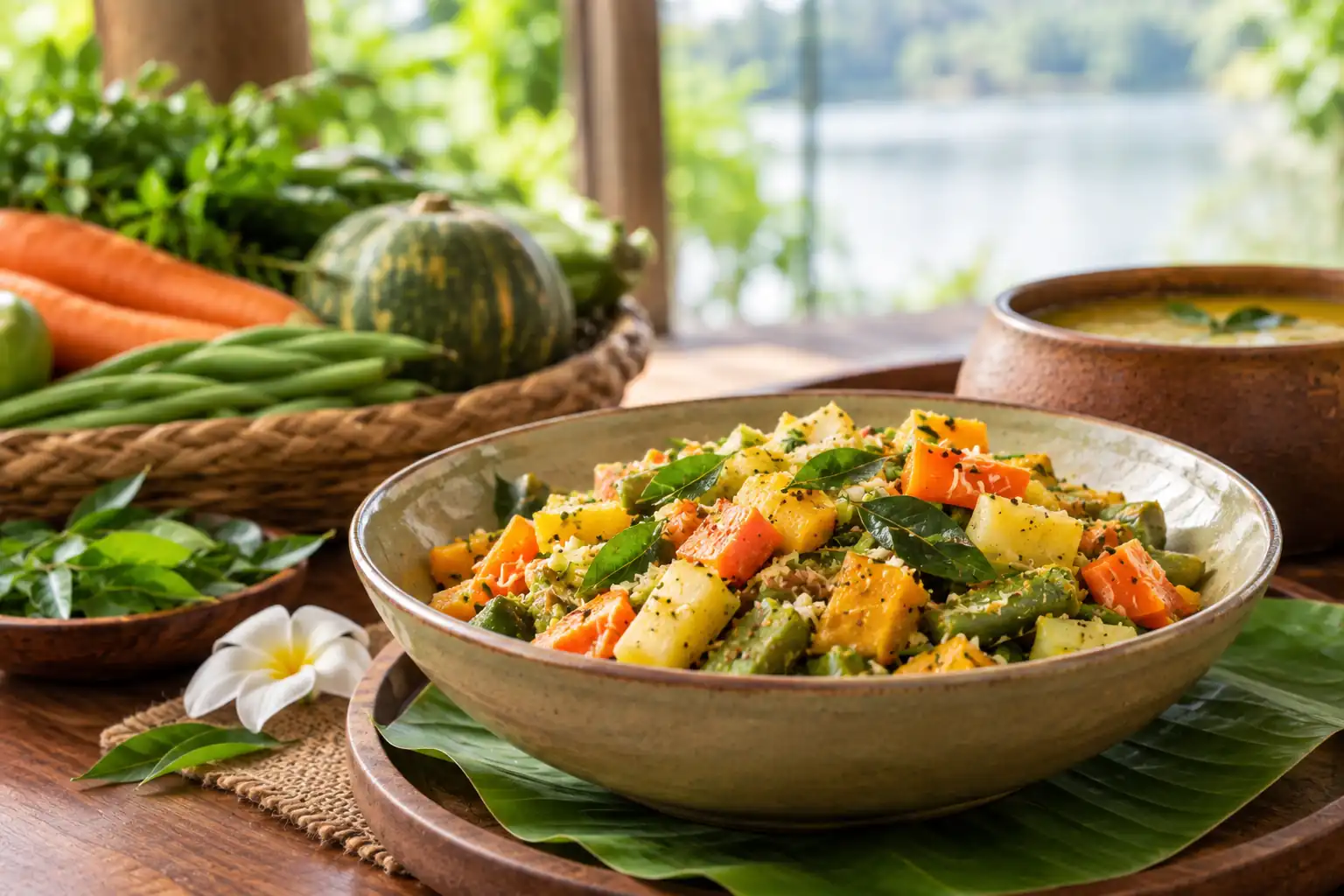
Cooked Vegetables
Vegetables can provide fibre, vitamins, minerals, and other nutrients. They may be prepared using simple cooking methods and incorporated into balanced meals.
Seasonal and locally available vegetables can also provide variety without making meals unnecessarily complicated.
Rice and Other Grains
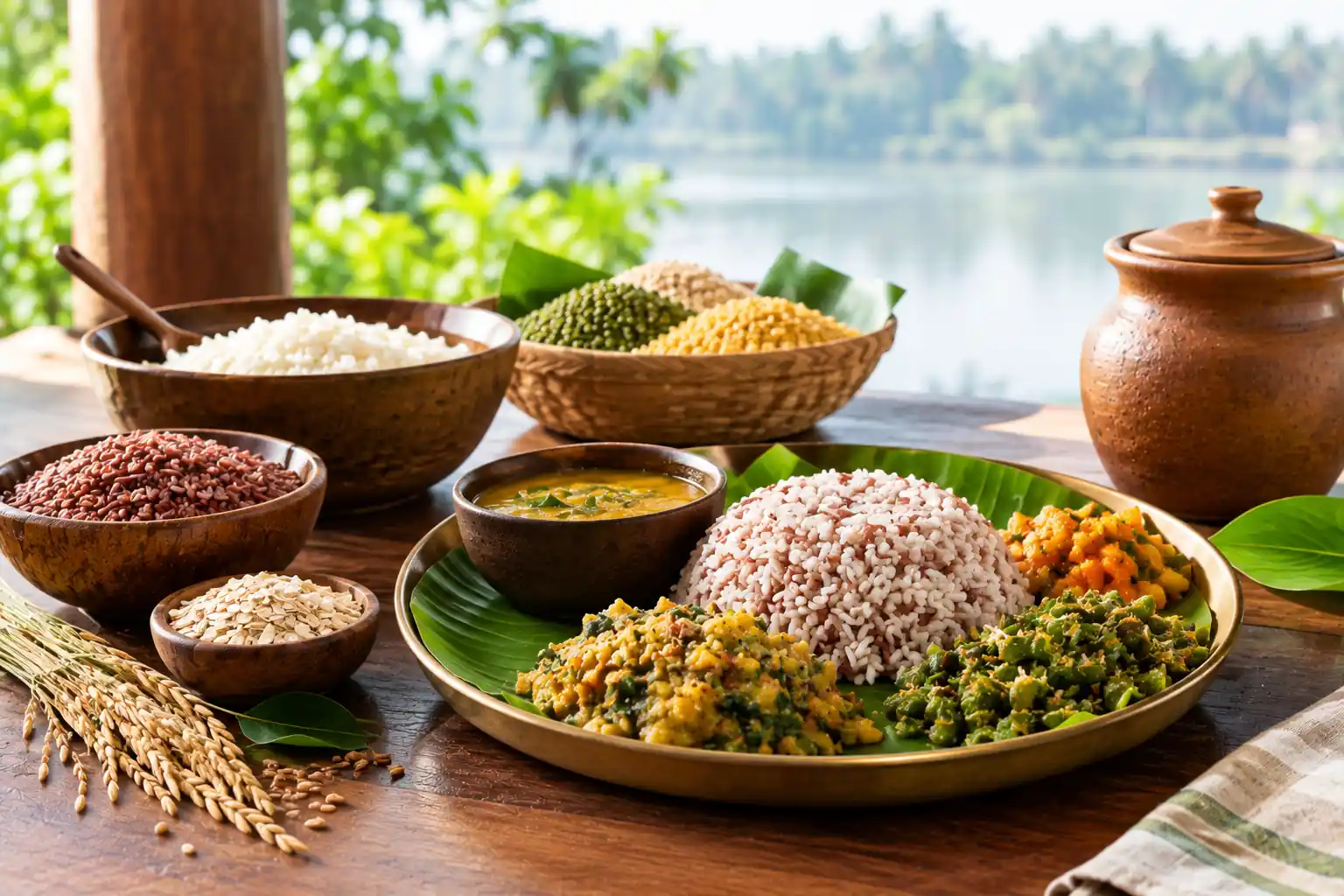
Rice is a common staple in Kerala and may form part of meals served during an Ayurvedic retreat.
Other whole grains may also be used depending on the individual’s dietary requirements.
Whole grains can provide carbohydrates and fibre as part of a varied diet.
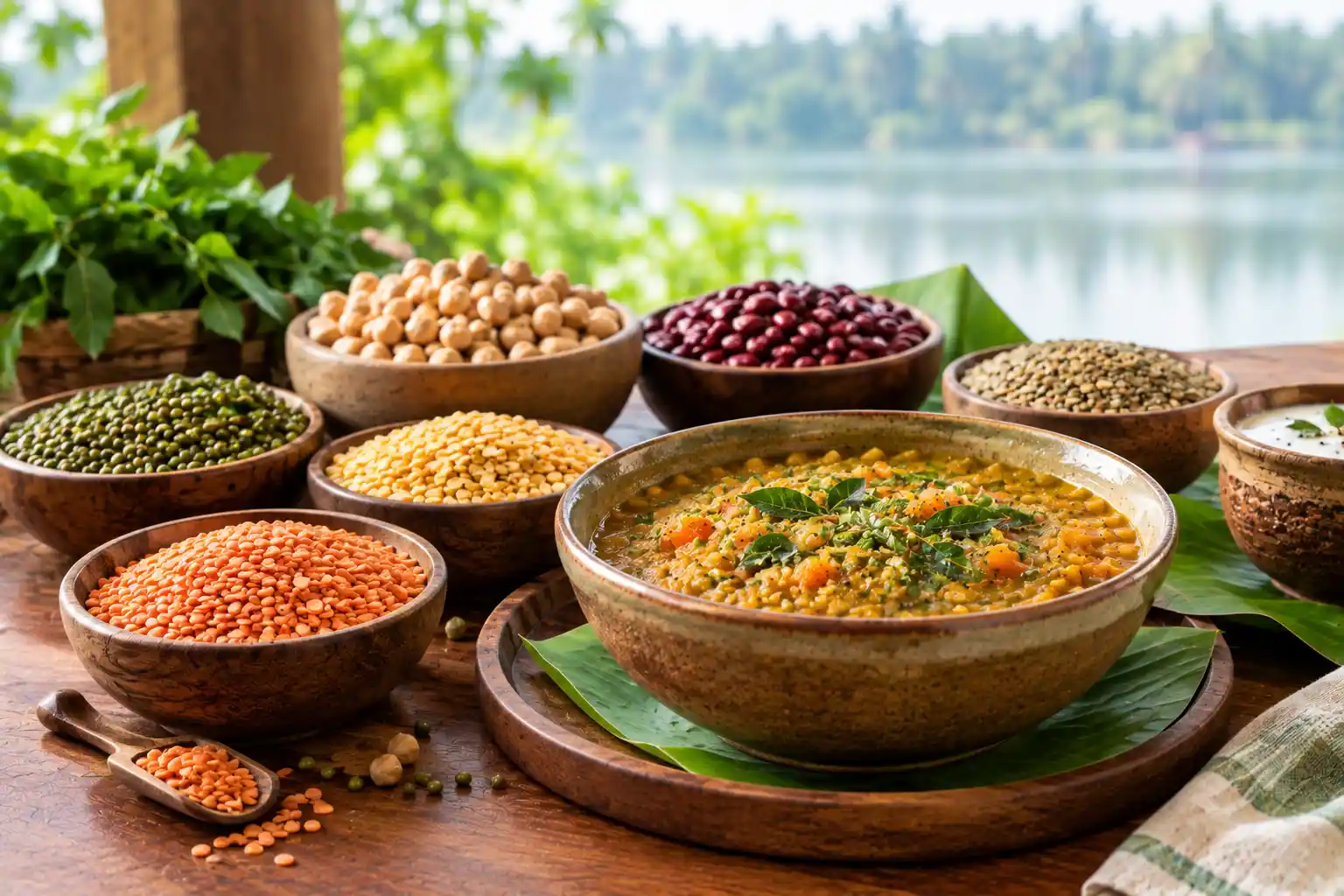
Pulses and Legumes
Lentils, beans and other pulses can provide plant-based protein and contribute to dietary variety.
The choice and preparation of pulses may depend on individual digestive tolerance and dietary needs
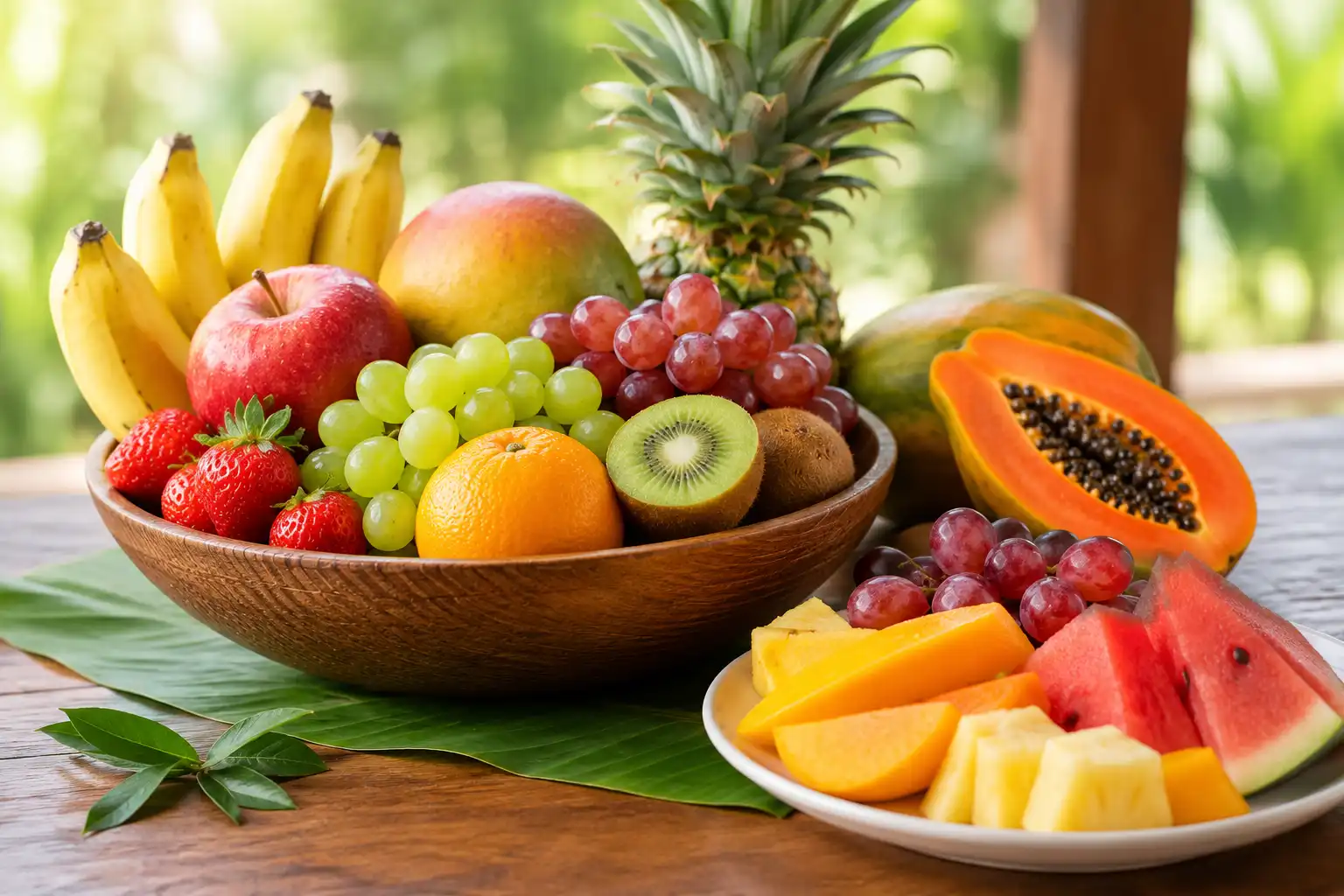
Fresh Fruits
Fresh fruits can provide vitamins, minerals, fibre and naturally occurring carbohydrates.
Seasonal fruits may be included according to availability, individual preference and tolerance.
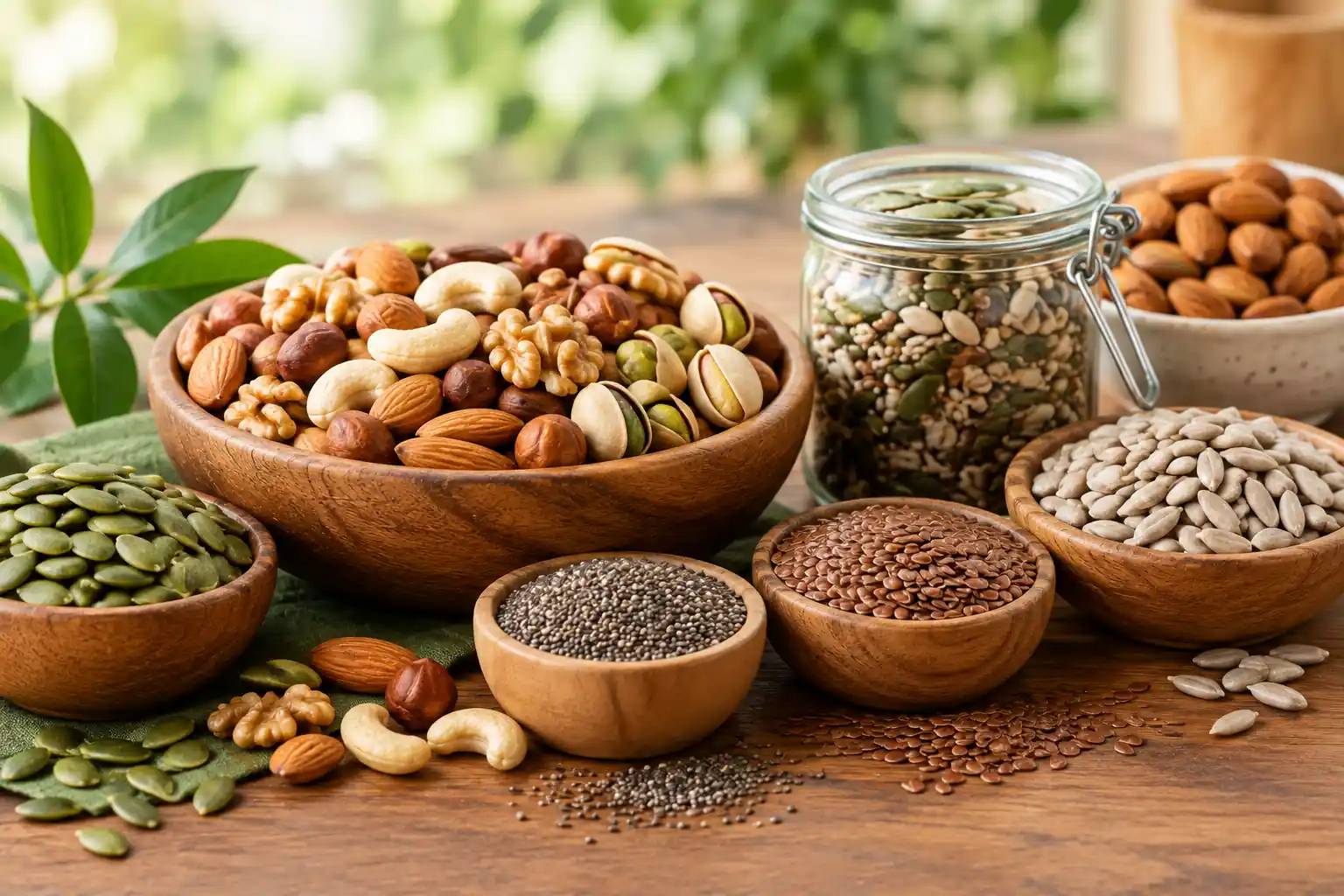
Nuts and Seeds
Nuts and seeds can contribute healthy fats, protein and other nutrients to the diet.
However, people with nut or seed allergies should avoid foods that may trigger an allergic reaction and should inform the retreat team about their dietary restrictions.
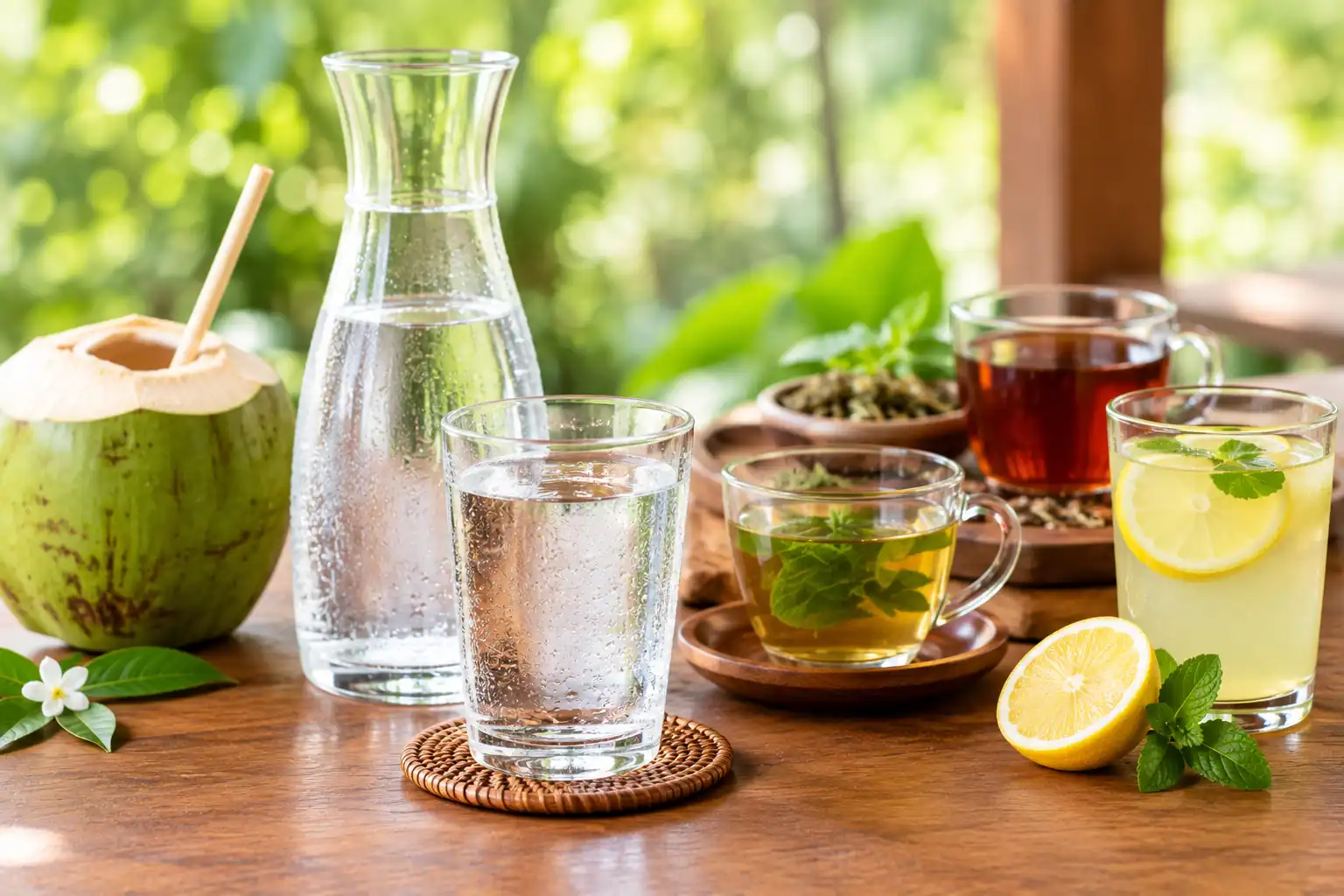
Adequate Fluids
Adequate fluid intake is an important part of a healthy routine.
Water is generally the simplest way to maintain hydration, while other beverages may be considered according to individual needs and the retreat programme.
The WHO recommends dietary variety and adequate hydration as part of healthy living. Dietary requirements, however, differ according to age, activity level, health status, and other factors.
Ayurvedic Food and Individual Constitution
Traditional Ayurveda uses concepts such as Prakriti and Agni when discussing individual constitution and digestion.
Within an Ayurvedic setting, these concepts may be considered during a traditional consultation when discussing food and lifestyle.
However, dietary planning should also take modern nutritional requirements and individual health conditions into account.
For example, someone with diabetes may need dietary planning that differs considerably from that of another guest. Similarly, someone with a food allergy may need specific foods excluded from their meals.
For this reason, an Ayurvedic retreat diet should not automatically be assumed to be identical for everyone.
What Does a Typical Day of Eating Look Like?
The exact schedule will depend on the retreat and the individual’s requirements.
A general example could look like this:
| Time | Possible Meal or Routine | Purpose |
|---|---|---|
| Morning | Breakfast and suitable fluids | Begin the day with nourishment |
| Mid-morning | Fruit or suitable snack if needed | Support a practical eating routine |
| Lunch | Balanced meal with vegetables, grains and protein | Provide nourishment during the day |
| Afternoon | Light snack if appropriate | Avoid unnecessary long gaps between meals |
| Evening | Balanced dinner | Support an evening routine |
| Throughout the day | Water and suitable fluids | Support hydration |
This is only a general example and should not be interpreted as a personalised diet plan.
A qualified professional may recommend different meal patterns depending on health conditions, nutritional requirements, activity levels and the individual’s retreat schedule.
Foods That May Be Limited During a Stress Retreat
A retreat may reduce foods and habits that can make maintaining a balanced routine more difficult.
Depending on the programme, this could include:
- Highly processed foods
- Excessively sugary foods and drinks
- Very heavy meals
- Excessive caffeine
- Alcohol
- Irregular meal timing
- Frequent unnecessary snacking
This does not mean that every person needs to completely eliminate particular foods.
For example, caffeine affects people differently. Some people may choose to reduce their intake if it interferes with sleep or causes unwanted symptoms.
Dietary changes should therefore be practical rather than unnecessarily restrictive.
The WHO healthy-diet guidance recommends limiting free sugars, salt, and unhealthy fats as part of a healthy dietary pattern
Can an Ayurvedic Diet Help With Stress?
An Ayurvedic diet may be used as one part of a broader wellness routine, but it should not be described as a guaranteed treatment or cure for stress.
Stress management can involve several areas of daily life, including sleep, physical activity, relaxation, social connection and professional support when appropriate.
A retreat may combine dietary routines with practices such as:
- Yoga
- Meditation
- Breathing practices
- Relaxation
- Gentle physical activity
- Ayurvedic consultation
- Selected Ayurvedic therapies
The purpose of combining these practices is to create a supportive routine rather than promise a particular medical outcome.
You can learn more about this broader approach through our Stress Relief Retreat in Kerala page.
Ayurvedic Diet and Digestion During a Retreat
Digestive comfort can be an important consideration when planning meals.
Some people may prefer simple, cooked meals, while others may have specific dietary requirements or digestive conditions that need individual consideration.
Within traditional Ayurveda, digestion is often discussed through the concept of Agni. An Ayurvedic practitioner may consider this as part of a traditional assessment.
However, persistent or severe digestive symptoms should not automatically be attributed to stress or managed solely through dietary changes.
Seek appropriate medical evaluation for concerning symptoms such as:
- Persistent or severe abdominal pain
- Repeated vomiting
- Blood in the stool
- Unexplained weight loss
- Persistent changes in bowel habits
- Difficulty swallowing
- Other new or worsening symptoms
A retreat diet should complement appropriate healthcare rather than replace it.
Should You Take Ayurvedic Herbs During a Stress Retreat?
An Ayurvedic dietary programme does not necessarily mean that you need to take herbal products or supplements.
People should not assume that an herbal product is safe simply because it is described as natural or Ayurvedic.
The National Center for Complementary and Integrative Health (NCCIH) notes safety concerns associated with some Ayurvedic preparations, including the possibility of heavy-metal exposure in certain products.
Herbal products may also interact with prescription or over-the-counter medicines. NCCIH provides information about potential herb-drug interactions.
If you are considering an Ayurvedic herbal preparation, tell the relevant healthcare professional about:
- Prescription medicines
- Over-the-counter medicines
- Existing health conditions
- Other supplements
- Food or medication allergies
- Pregnancy or breastfeeding
Do not stop or change prescribed medicines because of information provided on a retreat website.
Who Should Take Extra Care With Dietary Changes?
An Ayurvedic retreat diet may require additional professional consideration if you:
- Have diabetes
- Have kidney or liver disease
- Have a gastrointestinal condition
- Have food allergies or intolerances
- Are pregnant or breastfeeding
- Take prescription medication
- Follow a medically prescribed diet
- Have a history of disordered eating
- Have recently experienced unexplained weight loss
- Have significant or persistent appetite changes
If you have a medical condition, discuss substantial dietary changes with your doctor or another appropriately qualified healthcare professional.
How Food Fits Into a Complete Stress Retreat
Food is only one component of a stress retreat.
A well-structured retreat may provide an opportunity to establish a consistent daily rhythm involving meals, movement, relaxation and sleep.
For example:
Morning: Gentle movement or yoga → Breakfast → Consultation or wellness activity
Afternoon: Lunch → Rest → Selected therapy or relaxation activity
Evening: Gentle activity → Dinner → Meditation or quiet time → Sleep routine
The exact schedule can vary according to the retreat programme and individual needs.
The goal is not to create a rigid routine. Instead, the retreat environment can give guests an opportunity to pay greater attention to everyday habits.
For those interested in a broader Ayurvedic wellness experience, you can also explore Ayurveda retreat programmes in Kerala and learn about the overall retreat setting at Dheemahi Ayurvedic Village.
What Makes a Healthy Retreat Diet Practical?
A retreat diet should ideally be realistic and comfortable enough for the individual to follow.
Important considerations include:
Balanced meals
Meals should provide a variety of foods and nutrients rather than unnecessarily eliminating large food groups.
Individual dietary requirements
Food allergies, intolerances, medical diets and personal preferences should be communicated before the programme begins.
Regular eating patterns
A structured meal schedule can make it easier to maintain consistent eating habits during the retreat.
Adequate hydration
Guests should have access to suitable fluids throughout the day.
Avoiding unnecessary restriction
A stress retreat should not create additional anxiety around food. Dietary changes should have a clear purpose and be appropriate for the individual.
The Bottom Line
An Ayurvedic diet during a stress retreat can be considered part of a broader wellness routine that combines nourishing food with rest, movement, relaxation, and healthy daily habits.
Rather than following a highly restrictive diet, the focus can be on balanced meals, appropriate portions, regular eating patterns and adequate hydration.
Traditional Ayurvedic principles may be incorporated according to the retreat’s approach, but dietary recommendations should remain appropriate for the individual’s nutritional needs and health circumstances.
An Ayurvedic diet should also not replace medical assessment or treatment when someone has a health condition or persistent symptoms.
Medical Disclaimer
The information on this page is provided for general educational and wellness purposes only. It is not intended to diagnose, treat, cure or prevent any disease or medical condition.
Ayurvedic approaches and dietary practices may not be suitable for everyone. Individual experiences can vary. People with medical conditions, food allergies, pregnancy, breastfeeding, prescribed dietary requirements or those taking medicines should consult an appropriately qualified healthcare professional before making significant dietary changes or using Ayurvedic herbs or supplements.
Do not stop, reduce or change prescribed medication based on information provided on this page.
If you experience severe, persistent or concerning symptoms, seek appropriate medical care.
Trusted Sources
World Health Organization (WHO)
Healthy Diet — https://www.who.int/health-topics/healthy-diet
World Health Organization (WHO)
Stress — https://www.who.int/news-room/questions-and-answers/item/stress/
National Center for Complementary and Integrative Health (NCCIH)
Ayurvedic Medicine: In Depth — https://www.nccih.nih.gov/health/ayurvedic-medicine-in-depth
National Center for Complementary and Integrative Health (NCCIH)
Herb-Drug Interactions — https://www.nccih.nih.gov/health/providers/digest/herb-drug-interactions
Medically Reviewed By
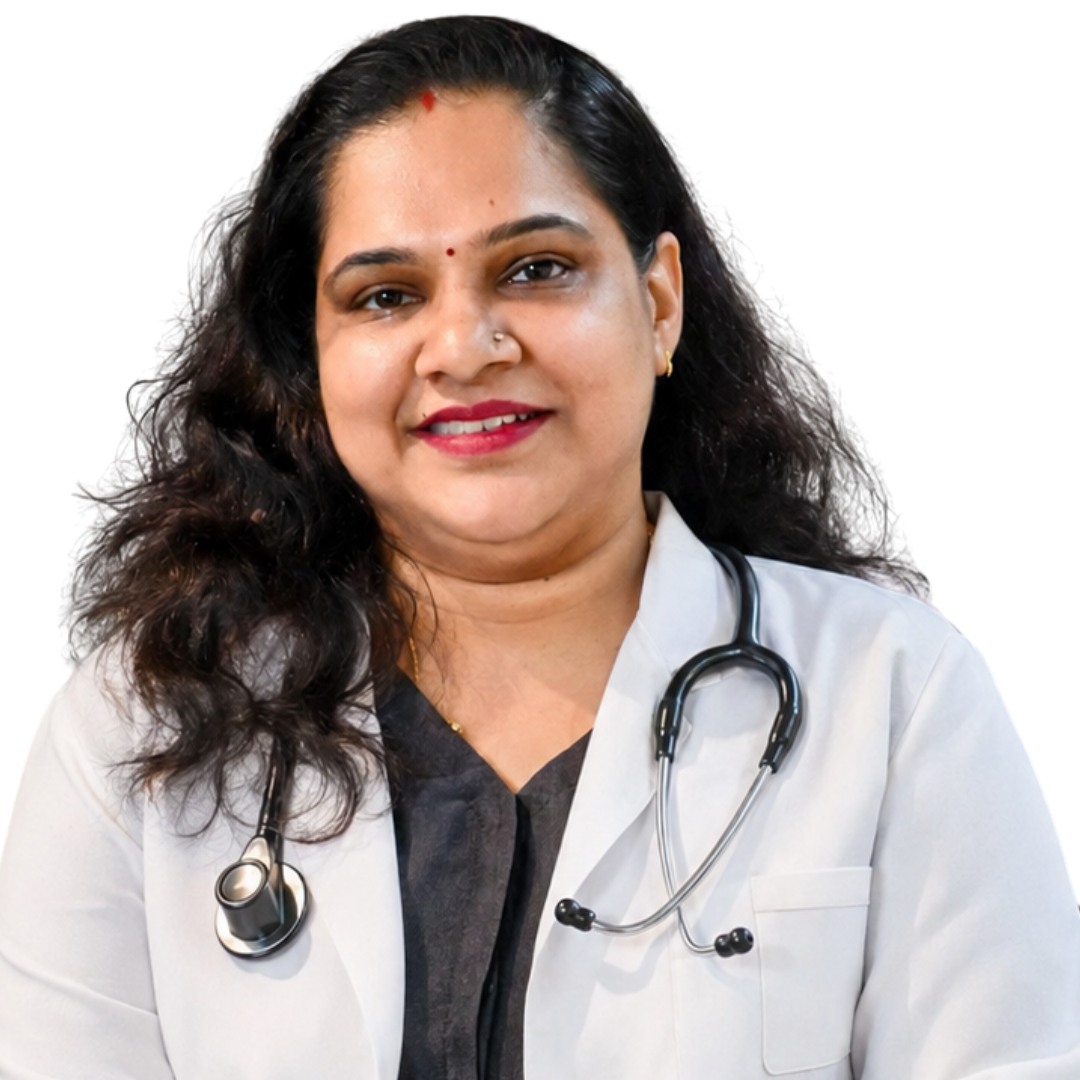
Dr. Pooja Pradeep
Ayurvedic Physician | Dheemahi Ayurvedic Village
This article has been medically reviewed for general information about Ayurvedic dietary practices, stress-related wellness and safety considerations.
Medical Review: Ayurvedic Diet During a Stress Retreat
Reviewed On: 12 September 2026
Frequently Asked Questions
What should I eat during an Ayurvedic stress retreat?
Meals may include vegetables, fruits, grains, pulses and other suitable foods. The exact menu should depend on your dietary requirements, preferences, digestive tolerance and overall health.
Is an Ayurvedic diet the same for everyone?
No. Dietary needs differ between individuals. A retreat programme may consider allergies, food preferences, health conditions and other relevant factors when planning meals.
Can food alone reduce stress?
Food alone should not be considered a treatment for stress. A balanced diet can be part of a broader healthy lifestyle that also includes sleep, physical activity, relaxation and appropriate professional support.
Should I avoid caffeine during a stress retreat?
Not everyone needs to avoid caffeine completely. However, some people may choose to reduce caffeine if it affects their sleep or causes unwanted symptoms.
If you consume caffeine regularly, sudden changes may not be appropriate for everyone. Discuss significant dietary changes with a healthcare professional when necessary.
Can I take Ayurvedic herbs during a stress retreat?
Do not begin an Ayurvedic herbal product simply because it is described as natural.
Some Ayurvedic products may have safety concerns or interact with medicines. Discuss supplements with a qualified healthcare professional, especially if you take medication or have an existing health condition.
Is an Ayurvedic diet suitable for everyone?
No. People with medical conditions, allergies, pregnancy, breastfeeding or medically prescribed diets may require individual dietary guidance before making significant changes.
Does an Ayurvedic retreat include a specific diet?
The food programme varies between retreats. Some Ayurvedic programmes may provide meals designed around the retreat schedule and traditional Ayurvedic principles, while individual dietary needs may also be considered.
How Our Booking Process Works
The unique approach involves a series of discussion during your initial decision-making process to make sure that we will be able to match your expectations with our treatment.
Based on the discussions with you our team of expert doctors will design the best treatment package personalized for your needs.
01
Consultation Form
Fill out our consultation form, and let us know when will you be available for our doctor to talk to you
02
Discussion with Doctor
Discuss your health condition and expectations with our doctor.
03
Booking Confirmation
Confirm the booking by making a payment of 50% advance.
Consultation Form
Submit this form to initiate a booking with us
Have any queries? We will help you. Talk to us now
Say Goodbye to Health Woes & Hello to Healthy Living
Dheemahi Ayurvedic Pvt Ltd
12/386 Varaputhara Road
Kumarakom, Kerala, India
Pin 686563
Dheemahi Ayurvedic Centre, Near Neelimangalam Bridge, Kumaranaloor, Perumbaikad.P.O, Kottayam, Kerala, India, Pin 686016
Other Treatments
Karkidaka Chikilsa | Ayurvedic Treatment for Depression | How to Reduce Stress Naturally | Autoimmune Disorders | Weight-Loss Treatment | Frozen Shoulder Ayurvedic Treatment | Diabetes Ayurvedic Treatment | PCOS Ayurvedic Treatment | Celiac Disease Treatment | ayurvedic treatment for skin diseases | nervous system ayurvedic treatment | Back Pain Ayurvedic Treatment | Cervical Spondylitis Ayurvedic Treatment | ayurvedic treatment for blood sugar | Fatty Liver Ayurvedic Treatment | Knee Pain Ayurvedic Treatment | Migraine Ayurvedic Treatment | Osteoarthritis Ayurvedic Treatment | Psoriasis Ayurvedic Treatment | Sinusitis Ayurvedic Treatment | Ayurvedic Detox Treatment | Ayurvedic Treatment for Rheumatoid Arthritis | Ayurvedic treatment for joint pain | Ayurvedic treatment for ulcerative colitis | Panchakarma Treatment |