
Ayurvedic Diet Plan for Fatty Liver: Healing Through Food
Discover an Ayurvedic diet plan for fatty liver with healthy foods and simple lifestyle habits to support liver wellness naturally.
An Ayurvedic Diet Plan for Fatty Liver focuses on wholesome food choices, balanced meals, healthy digestion, portion control, and sustainable lifestyle habits. In Ayurveda, food plays an important role in maintaining balance and supporting overall well-being. Therefore, at Dheemahi Ayurveda, dietary guidance may form part of a personalized approach to Fatty Liver Ayurvedic Treatment in Kerala, based on an individual’s health condition, constitution, lifestyle, and treatment needs.
Moreover, fatty liver often occurs alongside metabolic health factors such as excess body weight, insulin resistance, type 2 diabetes, and abnormal cholesterol or triglyceride levels. As a result, healthier eating, regular physical activity, and gradual weight management can help reduce liver fat and support overall liver health. Similarly, an Ayurvedic approach can complement these healthy habits by emphasizing suitable foods, regular meal routines, healthy digestion, and individualized lifestyle practices.
What Is an Ayurvedic Diet Plan for Fatty Liver?
→ Fresh and minimally processed foods
→ Appropriate portion sizes
→ Adequate vegetables and fiber
→ Suitable sources of protein
→ Whole or less-refined grains
→ Limited added sugars
→ Reduced deep-fried foods
→ Regular meal timings
→ Adequate hydration
→ Consistent physical activity
These principles can complement the broader approach used in Fatty Liver Ayurvedic Treatment Kerala, where diet and lifestyle may be considered alongside physician-supervised Ayurvedic therapies when appropriate.
How Does Ayurveda Understand Fatty Liver?
Ayurveda describes the liver as Yakrit and views digestion, metabolism, and tissue nourishment as interconnected processes. In this context, traditional Ayurvedic concepts such as Agni, Ama, Kapha, Pitta, and Medas may be considered when developing an individualized approach.
According to Ayurvedic principles, frequent overeating, excessive consumption of oily foods, irregular eating patterns, sedentary habits, and unsuitable food combinations may contribute to metabolic imbalance. As a result, an Ayurvedic approach may focus on improving dietary habits, supporting digestion, and promoting a balanced lifestyle.
Similarly, Dheemahi Ayurveda’s fatty liver treatment approach considers digestive and metabolic factors while developing individualized care. However, it is important to remember that modern medical assessment remains essential because fatty liver can occur without noticeable symptoms and may sometimes progress to more serious liver disease.
Therefore, Ayurveda should be viewed as a complementary approach to healthy lifestyle management rather than a replacement for appropriate medical diagnosis, testing, or monitoring. By combining healthy dietary habits, appropriate lifestyle practices, and professional medical guidance, individuals can take a more informed approach to supporting overall liver health.
Ayurvedic Diet Plan for Fatty Liver: Core Principles
The foundation of an Ayurvedic Diet Plan for Fatty Liver is consistency. Extreme diets, prolonged fasting, or eliminating large food groups without professional guidance are usually difficult to maintain and may not provide balanced nutrition.
Choose Fresh and Minimally Processed Foods
Fresh vegetables, suitable fruits, pulses, whole grains, and traditionally prepared meals can form the foundation of a balanced diet.
Instead of frequently consuming packaged snacks, fast food, bakery products, and highly processed meals, choose simple home-style preparations whenever possible.
Suitable foods may include:
- Fresh vegetables
- Green gram and other suitable pulses
- Whole or minimally refined grains
- Seasonal fruits
- Vegetable soups
- Lightly cooked traditional meals
- Appropriate sources of protein
- Moderate amounts of healthy fats
The exact food selection should be personalized according to nutritional needs and any other health conditions.
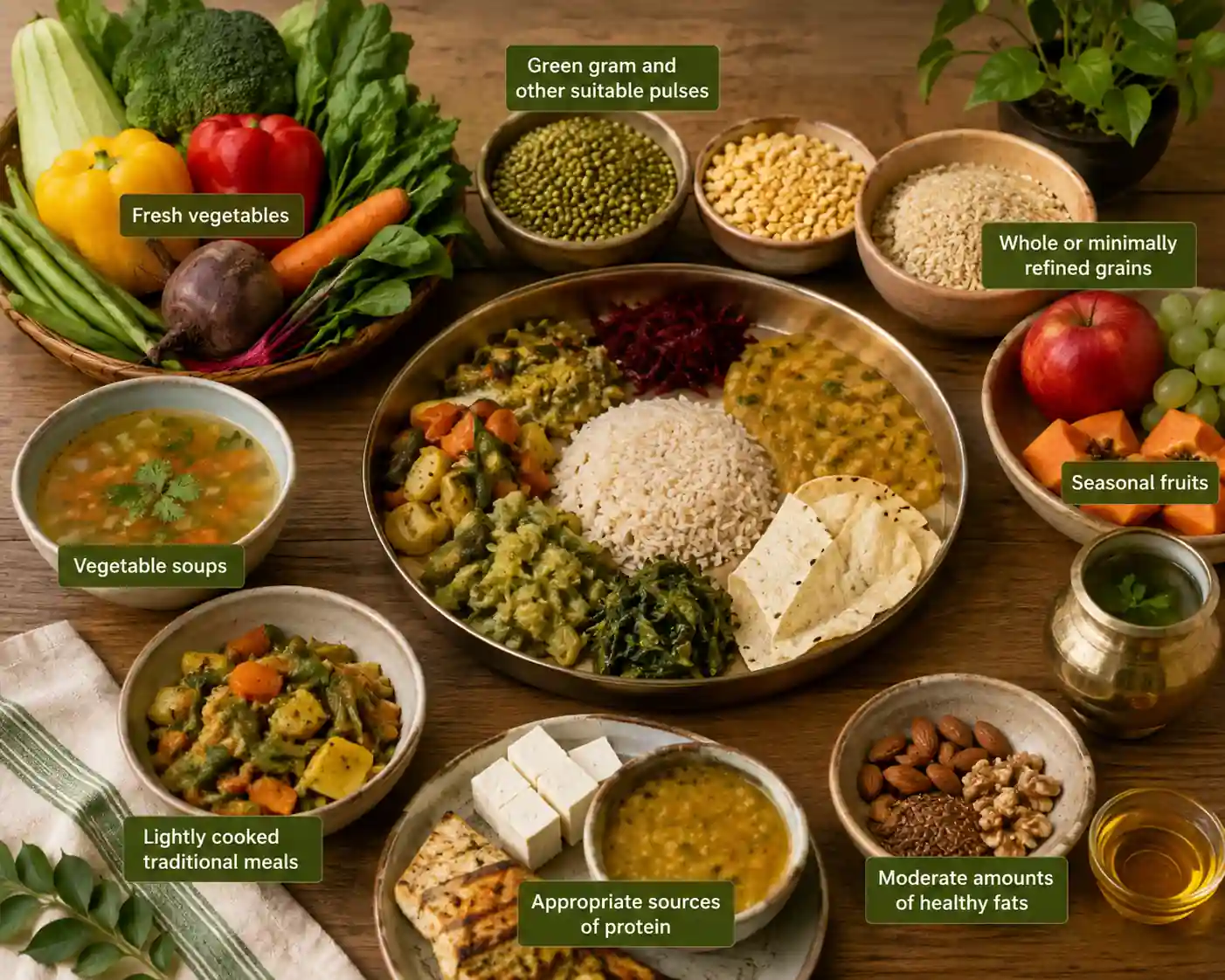
The exact food selection should be personalized according to nutritional needs and any other health conditions.
Pay Attention to Portion Size
Healthy foods can still contribute excess calories when consumed in very large quantities. Portion control is therefore an important part of fatty liver management.
For people who are overweight, gradual weight loss can reduce liver fat. Even modest weight loss may provide benefits, while greater weight loss may be necessary to improve liver inflammation or fibrosis in some individuals.
Rapid weight loss should be avoided. A sustainable Ayurvedic Diet Plan for Fatty Liver should encourage gradual changes that can become part of everyday life.
Support Healthy Digestion
Ayurveda places considerable importance on Agni, or digestive capacity.
From a practical perspective, this can translate into avoiding habitual overeating, maintaining reasonable meal timings, and selecting foods that are comfortable to digest.
Instead of eating heavy meals late at night, many people may benefit from having a lighter evening meal and maintaining a consistent daily routine.
Include Fiber-Rich Foods
Vegetables, pulses, legumes, whole grains, and suitable fruits can contribute dietary fiber.
Fiber-rich foods can support fullness and make it easier to manage overall food intake. A diet containing vegetables, fruits, and whole grains can also support overall metabolic health.
Rather than focusing on one “superfood,” the goal should be to create a balanced dietary pattern.
Foods to Include in an Ayurvedic Diet Plan for Fatty Liver
A healthy diet for fatty liver should contain a variety of nutrient-dense foods.
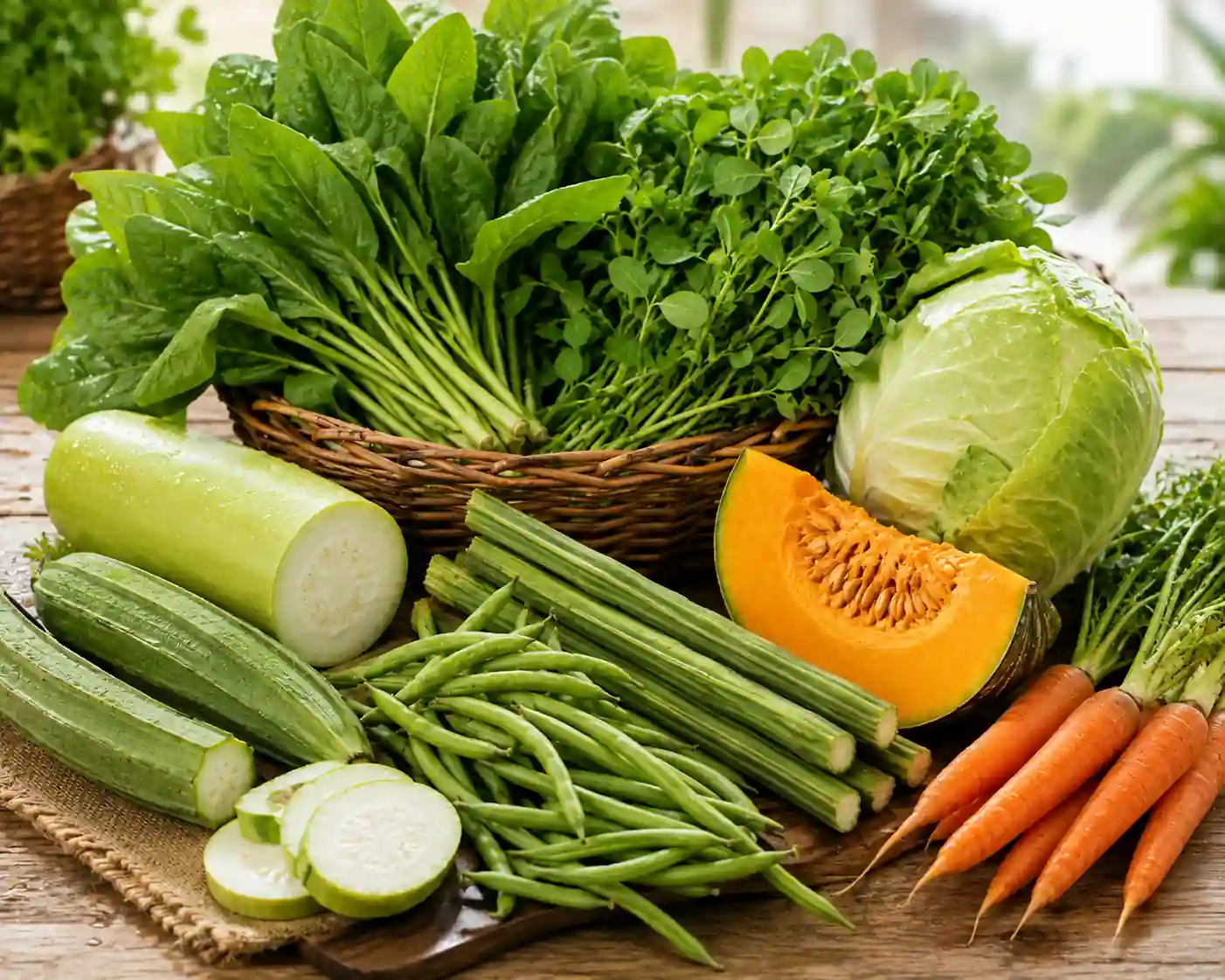
Green Leafy Vegetables
Vegetables such as spinach and methi can be included as part of balanced meals.
Other suitable vegetables may include:
- Bottle gourd
- Ridge gourd
- Beans
- Drumstick
- Pumpkin
- Carrot
- Cabbage
- Seasonal local vegetables
Vegetables provide fiber, vitamins, minerals, and other nutrients while helping meals remain filling without excessive calories.
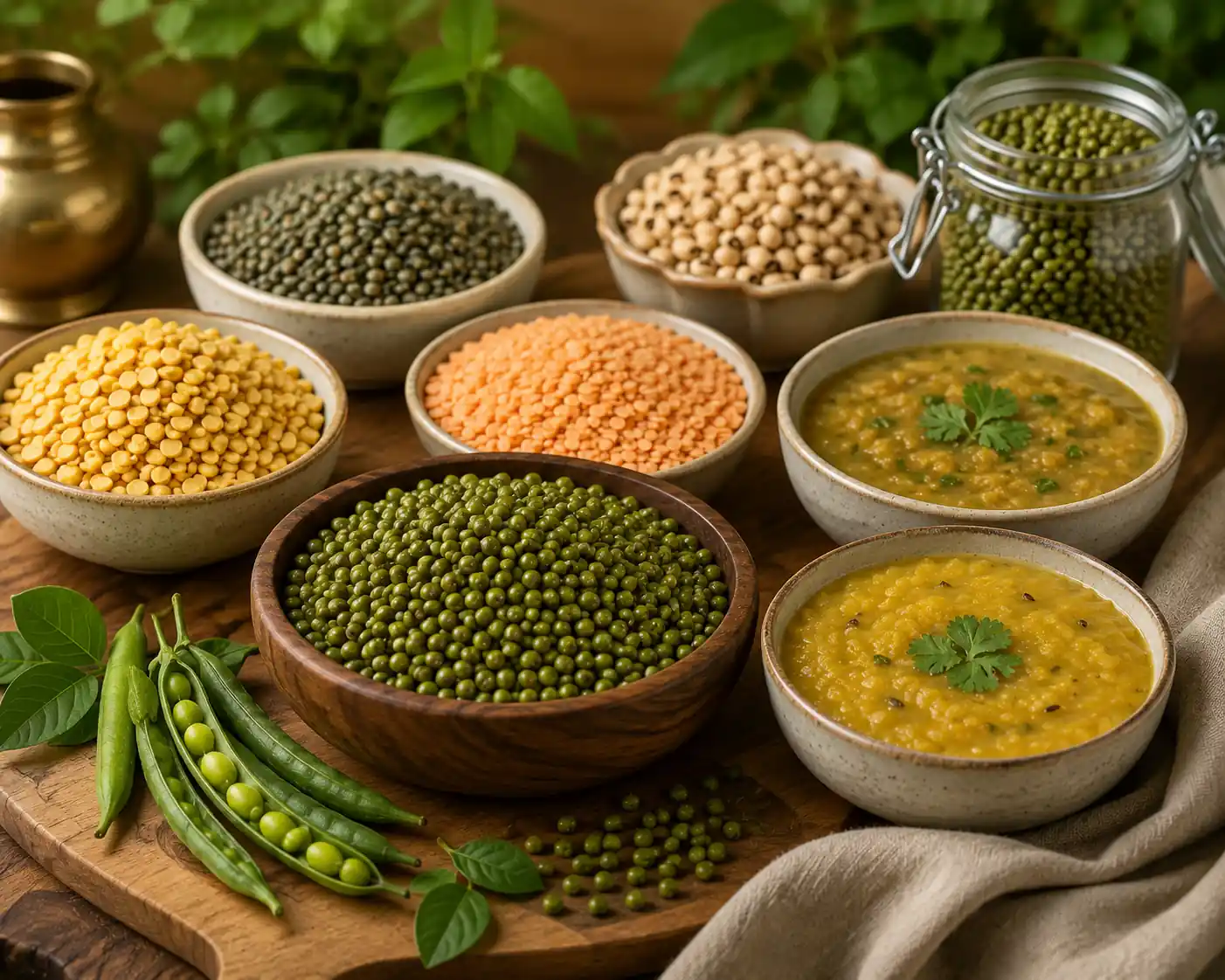
Green Gram and Suitable Pulses
Green gram, traditionally known as Mudga in Ayurveda, is commonly used in traditional diets.
It provides plant-based protein and fiber and can be prepared in a variety of ways, including soups, dals, and light traditional preparations.
Other pulses may also be suitable depending on an individual’s digestion and nutritional needs.
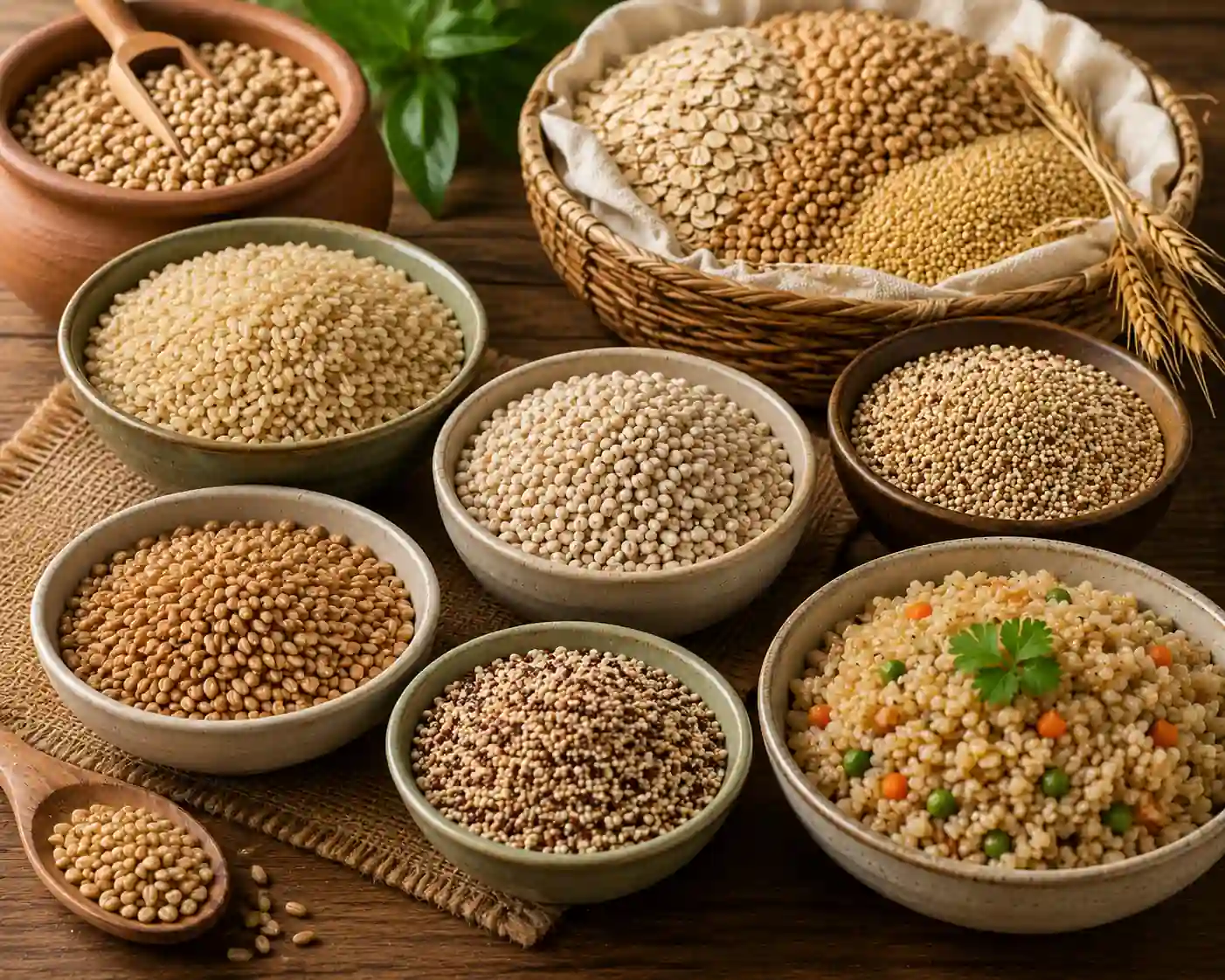
Whole Grains in Appropriate Portions
Whole or minimally refined grains can be included in a balanced fatty liver diet.
Possible choices include:
-
Barley
-
Whole wheat
-
Traditional grains
-
Brown rice
-
Other suitable whole grains
However, simply changing the type of grain does not automatically make a meal healthy. Portion size and the overall meal composition remain important.
Fresh Whole Fruits
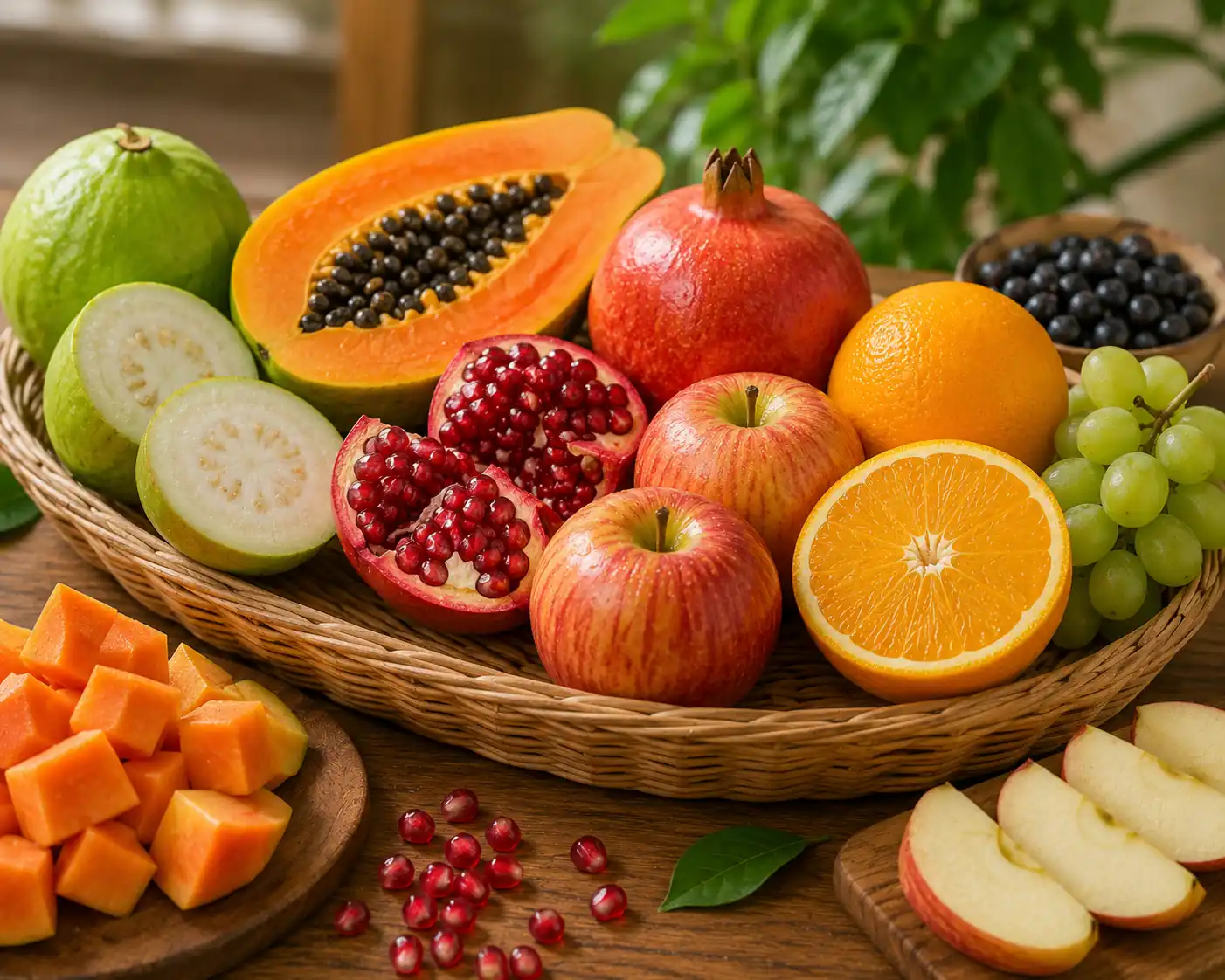
Fresh fruits can be included in appropriate portions.
Examples include:
-
Apple
-
Pomegranate
-
Guava
-
Orange
-
Papaya
-
Seasonal fruits
Whole fruits are generally preferable to regularly consuming fruit juice because whole fruit contains fiber and usually requires more time to consume.
Healthy Fats
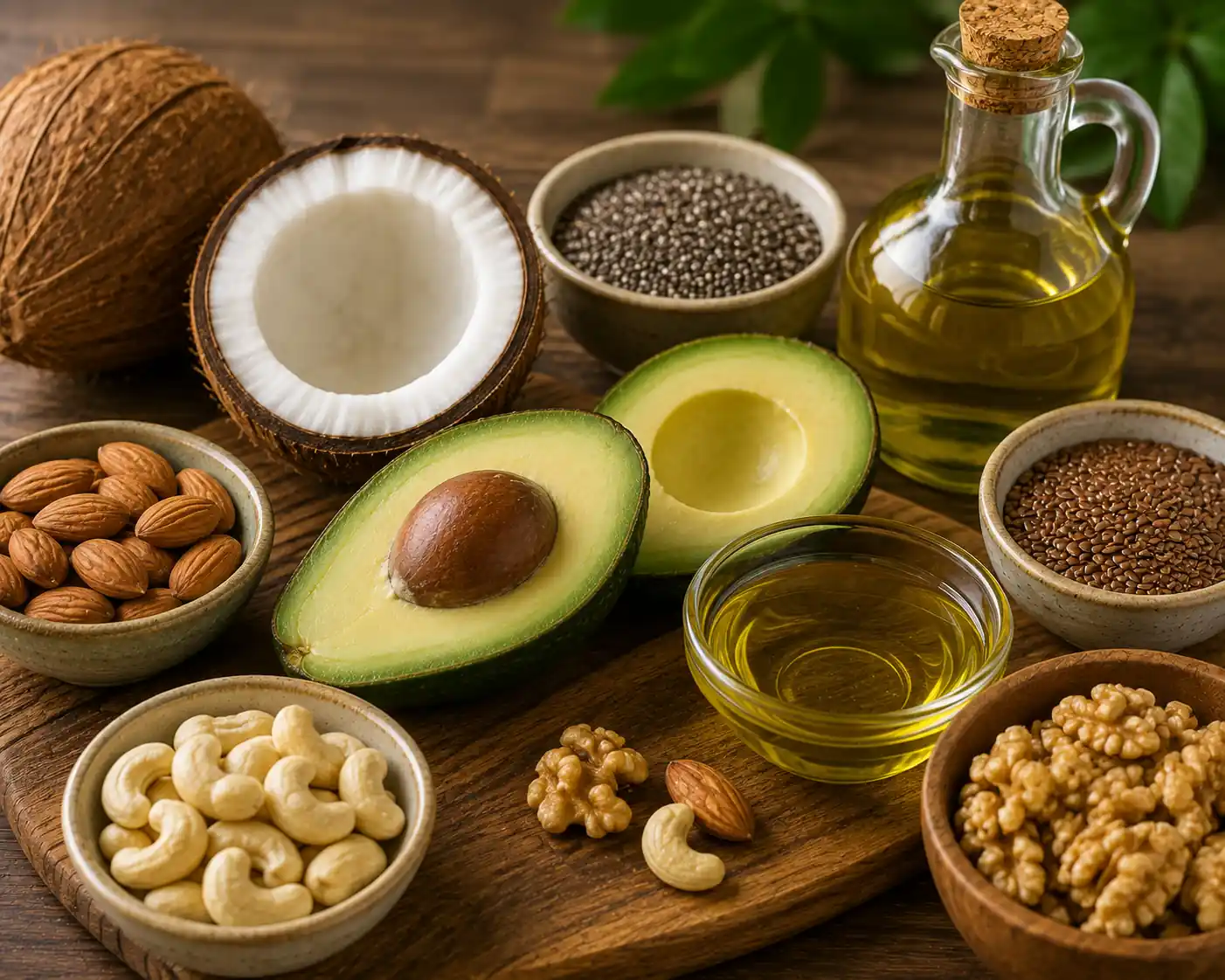
Fat does not need to be completely eliminated from the diet.
Instead, the focus should be on moderation and choosing healthier sources of unsaturated fats where appropriate.
Avoid making the common mistake of replacing all fats with refined carbohydrates or sugary foods.
Foods to Limit or Avoid
An Ayurvedic Diet Plan for Fatty Liver should also clearly identify foods that may make healthy weight and metabolic management more difficult.
Deep-Fried Foods
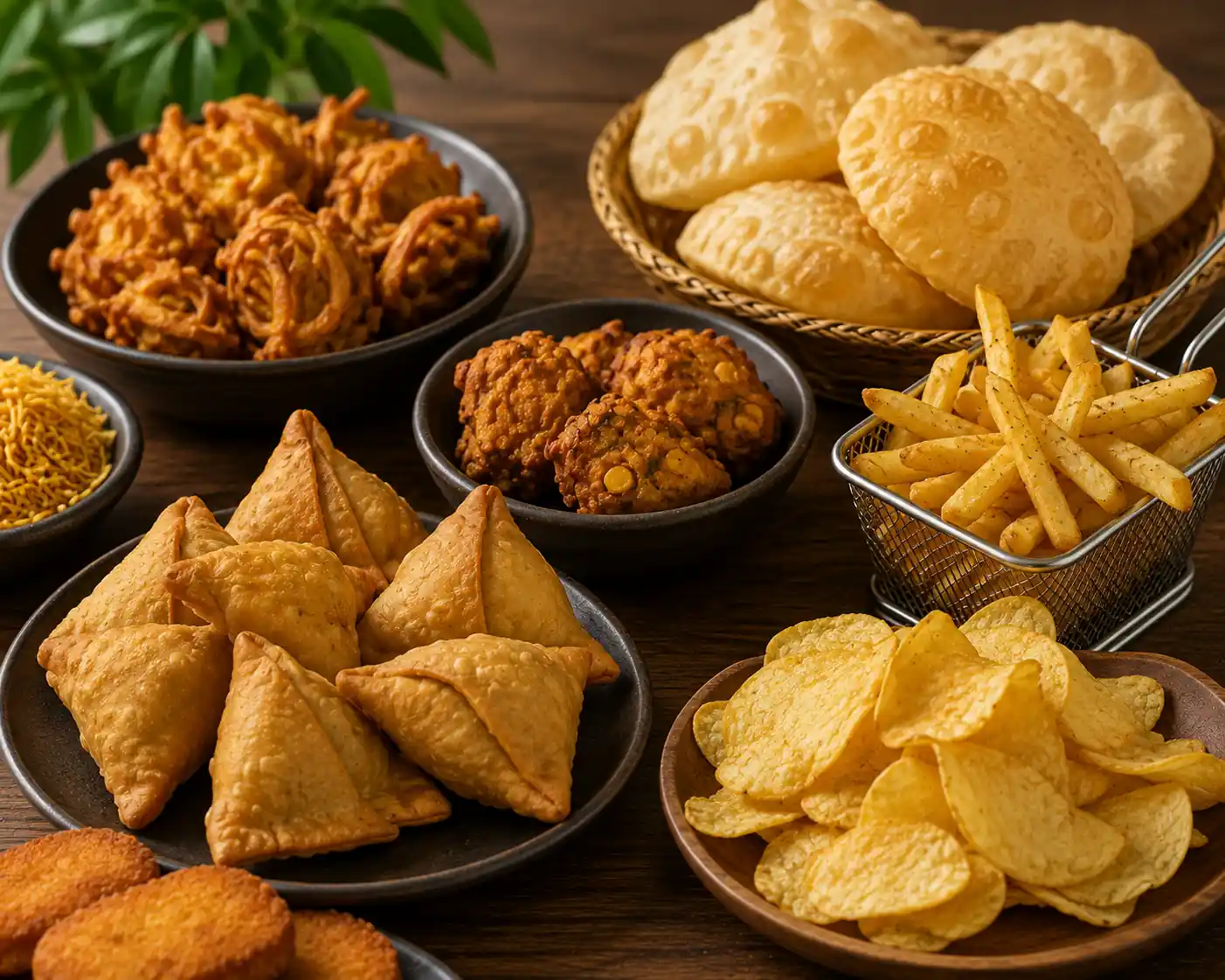
Regular consumption of deep-fried foods can significantly increase calorie intake.
Limit foods such as:
- Fried snacks
- Chips
- Fried fast foods
- Deep-fried breads
- Commercial fried products
- Frequently fried traditional snacks
Steamed, boiled, lightly sautéed, or traditionally prepared alternatives can be preferable for everyday meals.
Sugary Foods and Drinks
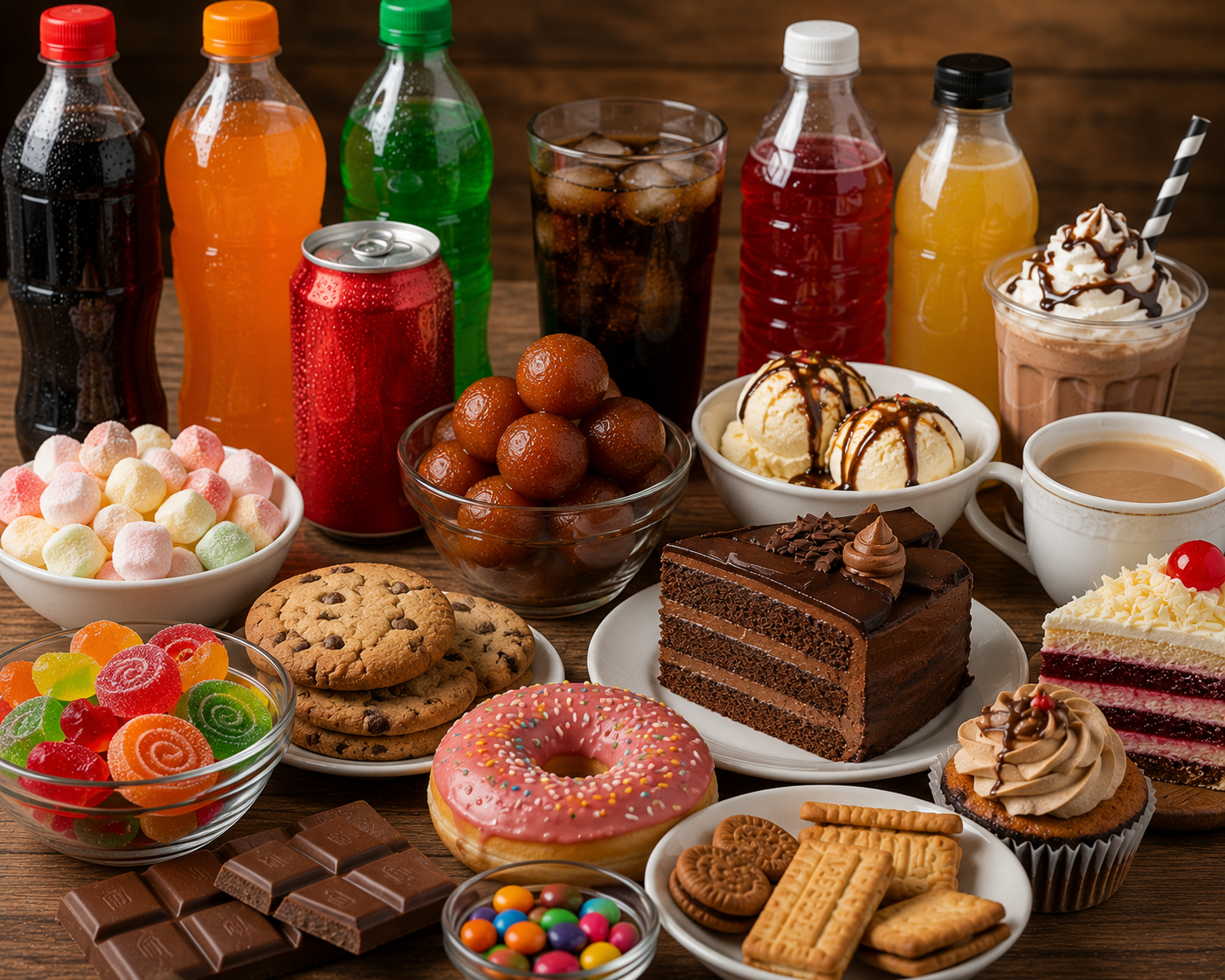
High intake of added sugar can contribute to excess calorie consumption and poor metabolic health.
Try to limit:
-
Soft drinks
-
Sweetened beverages
-
Packaged fruit drinks
-
Sweets
-
Cakes
-
Pastries
-
Biscuits
-
Sweetened tea and coffee
-
Sugary desserts
Instead of relying on sweet beverages, choose water or other suitable unsweetened options.
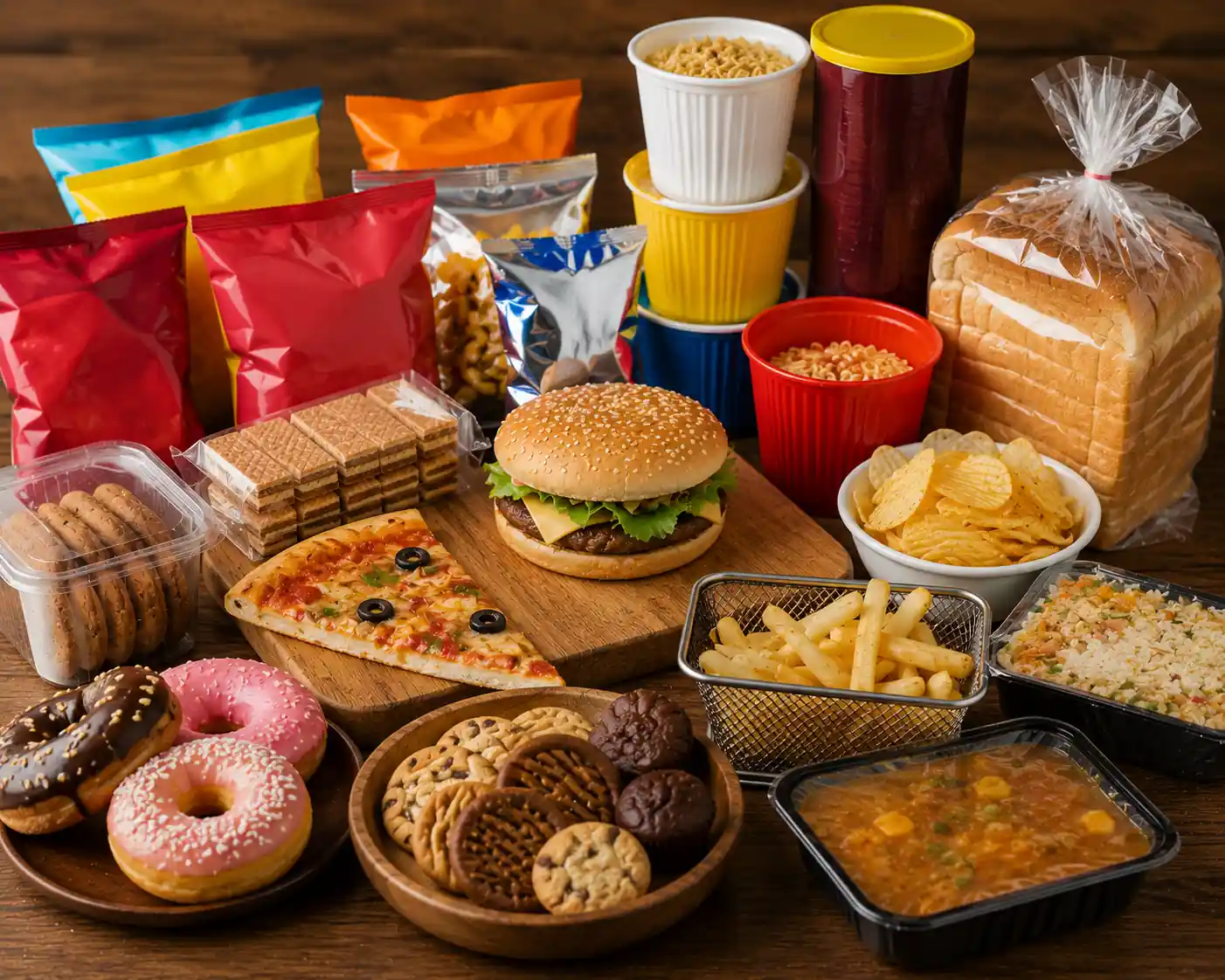
Highly Processed Foods
Highly processed foods may contain excessive amounts of refined carbohydrates, sugar, sodium, or unhealthy fats.
Frequent consumption of:
-
Packaged snacks
-
Instant foods
-
Fast food
-
Processed bakery products
-
Sugary cereals
-
Ready-to-eat meals
can make it more difficult to maintain a balanced diet.
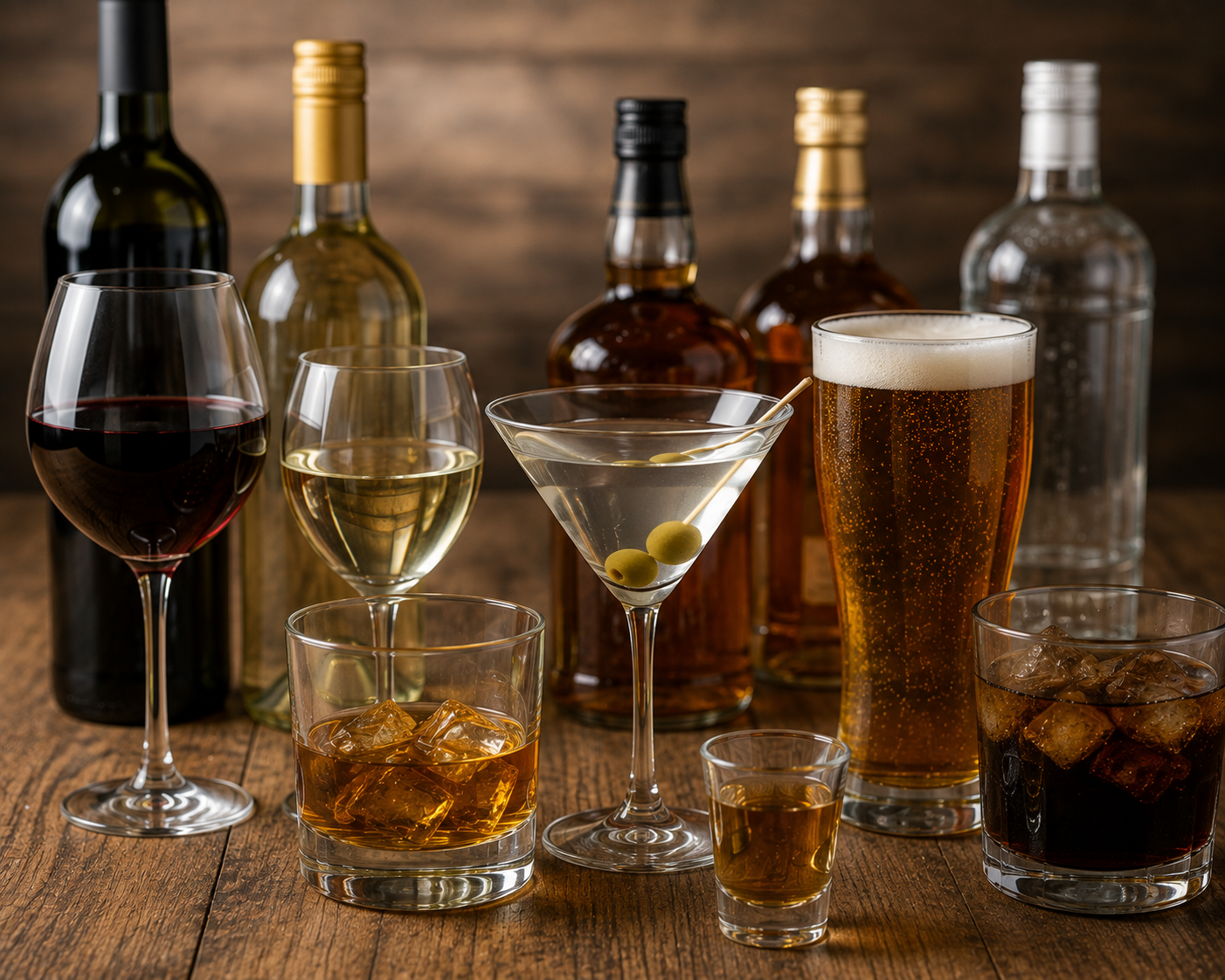
Excessive Alcohol
Alcohol can contribute to liver injury, and people with liver disease should discuss alcohol consumption with their healthcare professional.
If alcohol-related liver disease is suspected, avoiding alcohol is particularly important.
Sample Ayurvedic Diet Plan for Fatty Liver
A sample meal plan can provide a general idea of how healthy eating principles may be applied. However, this is not a personalized medical diet and should not replace professional nutritional or medical advice.
Early Morning
Begin the day with adequate hydration. Warm water may be used according to individual preference and tolerance.
Avoid adding excessive sugar or calorie-dense ingredients to morning beverages.
Breakfast
Choose a balanced, moderate breakfast.
Possible options include:
- Vegetable-based preparations
- Light traditional breakfast dishes
- Whole-grain preparations
- Suitable vegetable soups
- A protein-containing breakfast
Evening
If a snack is needed, choose a light option instead of fried or packaged snacks.
Examples include a suitable fruit, a light traditional preparation, or another nutritious option recommended by a healthcare professional.
The outcome depends on factors such as:
- Severity of liver disease
- Body weight
- Diabetes status
- Cholesterol and triglyceride levels
- Physical activity
-
Dietary habits
-
Alcohol consumption
-
Genetics
-
Other medical conditions
-
Treatment adherence
Therefore, dietary improvement should be part of a comprehensive and sustainable health plan.
Why Choose Dheemahi Ayurveda for Fatty Liver Care?
Dheemahi Ayurveda in Kumarakom, Kerala, provides an Ayurvedic wellness setting where individualized treatment and lifestyle guidance can be incorporated into a person’s care plan.
For individuals seeking Fatty Liver Ayurvedic Treatment in Kerala, the approach should begin with understanding the person’s health condition rather than simply prescribing the same diet or therapy to everyone.
Dheemahi’s fatty liver treatment approach includes physician assessment, personalized treatment planning, dietary guidance, lifestyle recommendations, and selected Ayurvedic therapies that were considered appropriate.
The goal is to help individuals develop healthier and more sustainable habits while receiving traditional Ayurvedic care under professional supervision
Conclusion
An Ayurvedic Diet Plan for Fatty Liver is best understood as a long-term approach to healthier eating rather than a short-term detox or restrictive diet.
Fresh vegetables, suitable pulses, whole or minimally refined grains, whole fruits, appropriate protein, portion control, reduced added sugar, and fewer deep-fried and highly processed foods can form the foundation of a healthier dietary pattern.
Ayurveda adds a traditional perspective by considering digestion, individual constitution, lifestyle, daily routine, and personalized care. When combined with regular physical activity and appropriate medical monitoring, these principles can support a healthier lifestyle for people managing fatty liver.
If you are considering Fatty Liver Ayurvedic Treatment in Kerala, a professional assessment is an important first step. At Dheemahi Ayurveda, dietary guidance can be incorporated into an individualized Ayurvedic care plan according to the person’s condition and treatment requirements.
Healthy food choices are not a quick fix they are a foundation for long-term liver and metabolic health.
Frequently Asked Questions
What is an Ayurvedic Diet Plan for Fatty Liver?
An Ayurvedic Diet Plan for Fatty Liver focuses on balanced meals, wholesome foods, appropriate portions, healthy digestion, and sustainable lifestyle habits. The diet can include vegetables, whole grains, suitable pulses, fresh fruits, and healthy sources of protein and fats.
Can an Ayurvedic diet help manage fatty liver?
Yes, a healthy diet can support fatty liver management. In addition, regular physical activity, gradual weight management, and improved dietary habits can help reduce liver fat and support metabolic health.
Can an Ayurvedic diet completely reverse fatty liver?
An Ayurvedic diet may support overall liver and metabolic health, but it cannot guarantee reversal for everyone. Therefore, people with fatty liver should follow an individualized diet and lifestyle plan along with appropriate medical guidance.
What foods should I include in a fatty liver diet?
A balanced diet may include fresh vegetables, green gram and suitable pulses, whole or minimally refined grains, seasonal fruits, vegetable preparations, appropriate protein sources, and moderate amounts of healthy fats.
Which foods should I limit with fatty liver?
It can be helpful to limit deep-fried foods, sugary foods and drinks, highly processed foods, excessive refined carbohydrates, and alcohol. Instead, focus on minimally processed foods and balanced meals.
Can I eat fruit if I have fatty liver?
Yes, whole fresh fruits can form part of a balanced diet when consumed in appropriate portions. Moreover, whole fruits generally provide more fiber than fruit juice, making them a preferable everyday choice.
Is Panchakarma suitable for everyone with fatty liver?
No. Panchakarma is not a universal treatment for everyone with fatty liver. Therefore, a qualified Ayurvedic physician should assess your individual condition and determine whether a particular procedure is appropriate.
Are Ayurvedic herbs safe for fatty liver?
Natural products are not automatically safe for everyone. Some herbal preparations may interact with medications or may not suit people with liver disease. Therefore, consult a qualified healthcare provider and Ayurvedic physician before using concentrated herbal products.
How Our Booking Process Works
The unique approach involves a series of discussion during your initial decision-making process to make sure that we will be able to match your expectations with our treatment.
Based on the discussions with you our team of expert doctors will design the best treatment package personalized for your needs.
01
Consultation Form
Fill out our consultation form, and let us know when will you be available for our doctor to talk to you
02
Discussion with Doctor
Discuss your health condition and expectations with our doctor.
03
Booking Confirmation
Confirm the booking by making a payment of 50% advance.
Consultation Form
Submit this form to initiate a booking with us
Have any queries? We will help you. Talk to us now
Say Goodbye to Health Woes & Hello to Healthy Living
Dheemahi Ayurvedic Pvt Ltd
12/386 Varaputhara Road
Kumarakom, Kerala, India
Pin 686563
Dheemahi Ayurvedic Centre, Near Neelimangalam Bridge, Kumaranaloor, Perumbaikad.P.O, Kottayam, Kerala, India, Pin 686016
Other Treatments
Karkidaka Chikilsa | Ayurvedic Treatment for Depression | How to Reduce Stress Naturally | Autoimmune Disorders | Weight-Loss Treatment | Frozen Shoulder Ayurvedic Treatment | Diabetes Ayurvedic Treatment | PCOS Ayurvedic Treatment | Celiac Disease Treatment | ayurvedic treatment for skin diseases | nervous system ayurvedic treatment | Back Pain Ayurvedic Treatment | Cervical Spondylitis Ayurvedic Treatment | ayurvedic treatment for blood sugar | Fatty Liver Ayurvedic Treatment | Knee Pain Ayurvedic Treatment | Migraine Ayurvedic Treatment | Osteoarthritis Ayurvedic Treatment | Psoriasis Ayurvedic Treatment | Sinusitis Ayurvedic Treatment | Ayurvedic Detox Treatment | Ayurvedic Treatment for Rheumatoid Arthritis | Ayurvedic treatment for joint pain | Ayurvedic treatment for ulcerative colitis | Panchakarma Treatment |