
What Ayurveda Says About Back Pain in Expecting Mothers
Pregnancy is a time of joy, anticipation, and transformation but it also brings new physical challenges. One of the most common concerns that expecting mothers face is lower back pain during pregnancy. As the body prepares to nurture new life, subtle shifts occur in posture, hormones, and energy balance, often leading to discomfort in the lower spine and hips.
For many women, these changes are not just physical they can affect sleep, movement, and emotional well-being. While modern medicine may suggest rest or painkillers, Ayurveda, the ancient science of holistic healing, views this pain as a natural sign of imbalance that can be gently corrected through lifestyle, diet, and therapies.
At this stage, expecting mothers are actively searching for safe, natural ways to manage their discomfort. They already understand that lower back pain during pregnancy is common but want to go deeper to know why it happens and how they can address it holistically without harming the baby.
In this blog, we’ll explore how Ayurveda interprets pregnancy-related back pain, what daily practices can bring comfort, and how authentic care at Dheemahi Ayurvedic Village can support your journey.
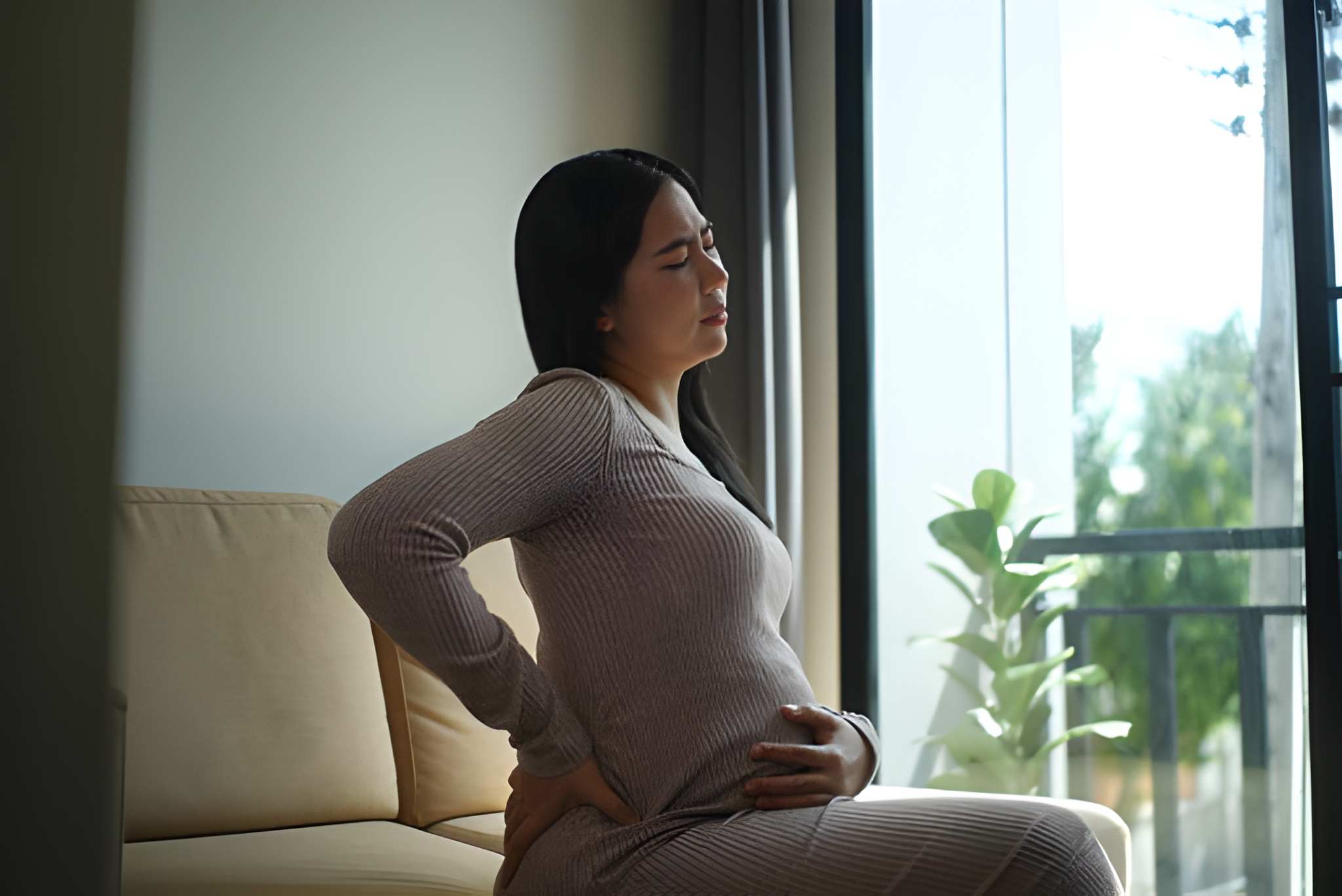
Why Lower Back Pain During Pregnancy Happens: The Ayurvedic View
From an Ayurvedic perspective, pregnancy is governed by the energies of Vata dosha, which controls movement, flexibility, and nervous system function. When Vata becomes excessive due to stress, poor posture, irregular sleep, or lack of grounding foods it can settle in the lower back and pelvis, leading to pain and stiffness. From an Ayurvedic perspective, pregnancy is governed by Vata dosha the energy of movement, flexibility, and the nervous system. When Vata becomes excessive due to stress, poor posture, irregular sleep, or light, ungrounded foods, it tends to settle in the lower back and pelvis, leading to pain and stiffness.
In modern terms, as the uterus expands, the center of gravity shifts, stretching muscles and softening ligaments. Ayurveda sees these changes not as problems, but as signs that the body’s energy flow needs gentle rebalancing.
At Dheemahi Ayurvedic Village, the focus is not on suppressing pain but on restoring harmony through holistic care nurturing both mother and baby.
The Ayurvedic Explanation
- Vata Imbalance: The expanding uterus disturbs Apana Vata, causing stiffness, dryness, and lower back pain.
- Weak Bone & Muscle Tissue: Nutrients are directed toward the fetus, sometimes weakening the mother’s Asthi (bone) and Mamsa (muscle) dhatus.
- Ama (Toxins): Sluggish digestion can create Ama, which lodges in weak areas like the lumbar spine, causing inflammation and stiffness.
- Structural & Hormonal Shifts: Natural loosening of ligaments and postural changes strain the spine.
- Emotional Stress: Anxiety or fatigue can aggravate Vata, intensifying discomfort.
At Dheemahi Ayurvedic Village, the focus is not on suppressing pain but on restoring harmony through holistic care nurturing both mother and baby.
Common Lifestyle Triggers for Pregnancy Back Pain
While every pregnancy is unique, some daily habits can make lower back pain during pregnancy worse. Ayurveda encourages expecting mothers to become mindful of these subtle triggers:
- Long hours of sitting or standing – Reduces blood flow to the lower spine.
- Poor posture – The natural curve of the spine becomes strained.
- Irregular meals or skipping food – Aggravates Vata, leading to dryness and muscle stiffness.
- Insufficient rest or mental stress – Increases tension in muscles and nerves.
- Lack of oil massage or self-care rituals – Leads to dryness in joints and tissues.
By recognizing these patterns early, mothers can make small lifestyle changes that prevent worsening pain.
Ayurveda’s Gentle Healing Approach to Lower Back Pain During Pregnancy
Lower back pain is one of the most common discomforts during pregnancy. As the uterus expands, it puts extra pressure on the lumbar region, while hormonal changes loosen ligaments making joints less stable.
From an Ayurvedic perspective, this condition, known as Katigraha, arises primarily from an imbalance in Vata dosha the energy that governs movement, flexibility, and the nervous system.
When Vata becomes aggravated due to postural strain, emotional stress, or Vata-aggravating foods, it manifests as stiffness, dryness, and pain in the lower back. Ayurveda offers a gentle, holistic approach nourishing, grounding, and stabilizing Vata to bring balance and comfort.
Nidaana Parivarjana – Avoiding Aggravating Factors
Healing begins with awareness. Ayurveda emphasizes avoiding habits that worsen Vata imbalance:
- Steer clear of dry, cold, and processed foods.
- Avoid prolonged sitting, standing, or heavy lifting.
- Stay warm, especially around the lower back.
- Maintain good posture and sleep on soft, supportive bedding.
- Manage stress and anxiety, as they directly aggravate Vata.
Even simple lifestyle changes can significantly ease discomfort and prevent further imbalance.
Ahara – Nourishing Diet for Expectant Mothers
Food is medicine in Ayurveda. A Vata-pacifying diet supports both mother and baby by strengthening tissues and calming the nervous system.
Favour:
- Warm, cooked meals like soups, kichari, and stews.
- Healthy fats ghee, sesame oil, and warm milk with gentle herbs like shatavari or ashwagandha (under guidance).
- Warm water or herbal teas with ginger, cumin, or fennel.
Avoid:
- Raw, cold, or dry foods, and excessive caffeine.
This grounding nourishment keeps the body supple and supports smooth Vata flow.
Vihara – Gentle Lifestyle Practices
A calm and rhythmic lifestyle helps balance Vata and reduces pain:
- Prenatal yoga and gentle stretching for posture and flexibility.
- Regular rest between activities.
- Abhyanga (warm oil massage) with bala taila or ksheerabala taila to soothe muscles and nourish the back.
- Warm baths with Epsom salt or dashamoola decoction for relaxation.
- Sleep on the left side with a pillow between the knees.
External Therapies (Baahya Chikitsa)
Ayurveda offers specialized external treatments for safe relief during pregnancy always under expert supervision:
- Snehana (Oleation Therapy): Application of warm medicated oils to relieve stiffness, improve circulation, and calm Vata.
- Swedana (Sudation Therapy): Mild, localized steam to ease tightness and heaviness (avoid excessive heat).
- Kati Pichu: Placement of a warm, oil-soaked cotton pad on the lower back deeply soothing and restorative.
Internal Support & Medicines
Internal therapies are used only under medical supervision during pregnancy. Gentle options like Mridu Virechana (mild purgation with ghee or milk) or Vasti (medicated enema after 7 months) may be advised to balance Vata.
Ayurvedic internal medicines and Rasayana (rejuvenation therapy) nourish the mother, strengthen the back, and enhance vitality.
Pathya–Apathya: Dietary Guidelines
To Include (Pathya):
- Ghee and oily preparations for lubrication.
- Sweet, nourishing foods like milk and rice.
- Warm water for hydration.
To Avoid (Apathya):
- Dry snacks (puffed rice, crackers).
- Excessively spicy or bitter foods.
- Cold water and chilled beverages.
Manasika Chikitsa – Emotional Balance
Mental harmony is vital. Fear and anxiety disturb Vata, intensifying pain.
Practice deep breathing, meditation, gentle chanting, or spend time in nature.
A calm mind nurtures a calm body supporting both mother and baby.
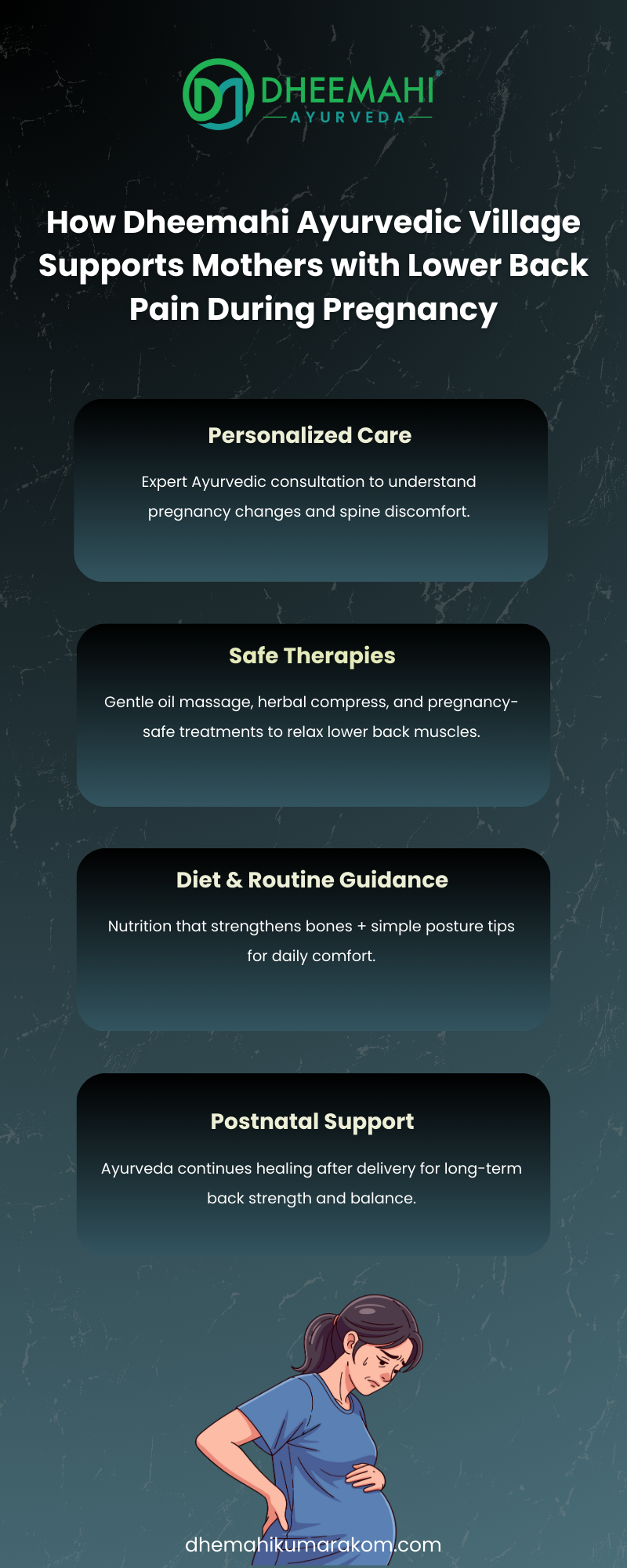
How Dheemahi Ayurvedic Village Supports Mothers with Lower Back Pain During Pregnancy
At Dheemahi Ayurvedic Village, pregnancy care is designed around three core principles: safety, balance, and comfort. Here’s how our traditional approach supports mothers naturally:
Personalized Consultation
Every treatment begins with a thorough consultation by expert Ayurvedic physicians who understand the physical and emotional changes in pregnancy. They identify the root cause of lower back pain during pregnancy and recommend a customized plan.
Therapeutic Care
Depending on the stage of pregnancy, therapies like gentle oil massages, herbal compresses, or steam therapy (when safe) are applied to relax the back and nourish the spine always following authentic Ayurvedic guidelines.
Diet and Routine Planning
Expecting mothers receive personalized dietary advice from foods that strengthen bones to herbal drinks that support digestion and reduce bloating. Dheemahi’s team also guides daily habits such as rest times, sleep posture, and simple self-care rituals.
Postnatal Guidance
Ayurveda emphasizes not just care during pregnancy but also recovery after delivery. Strengthening the back and supporting hormonal balance continues postpartum, ensuring lasting comfort and vitality.
Emotional Well-being: The Overlooked Aspect of Back Pain Relief
Many expecting mothers overlook how emotions influence pain. Anxiety, fear, or lack of rest can intensify discomfort. Ayurveda treats the mind and body as one when the mind is calm, the body responds positively.
At Dheemahi, therapies often include mild head massages, soothing music, and aromatic herbs that promote emotional balance. The peaceful surroundings of Kumarakom also provide the perfect atmosphere for rejuvenation and inner peace.
Ayurveda’s Timeless Wisdom for Pregnancy Care
Ayurveda views pregnancy as a sacred journey a time when both the mother and the growing baby deserve the highest care and attention. The principle is simple: when Vata dosha is calm and nourished, the spine remains strong, the body flexible, and the mind peaceful.
In this light, lower back pain during pregnancy is not just a symptom to be treated but a signal to slow down, reconnect, and nurture yourself more deeply.
Practical Daily Tips for Expecting Mothers
Here are a few simple Ayurvedic-inspired habits you can adopt today:
- Start your day calmly – Avoid rushing or skipping breakfast.
- Oil massage before bath – Keeps muscles flexible.
- Stay hydrated with warm water – Supports digestion and reduces stiffness.
- Sleep on your left side – Enhances circulation to the baby and back muscles.
- Include relaxation rituals – Listening to soothing music or evening walks can calm Vata.
Why Choose Dheemahi Ayurvedic Village for Natural Pregnancy Care
What makes Dheemahi unique is its deep respect for tradition and commitment to personalized healing. Here, ancient Ayurvedic wisdom is practiced under the direct supervision of qualified physicians, ensuring safety and authenticity at every step.
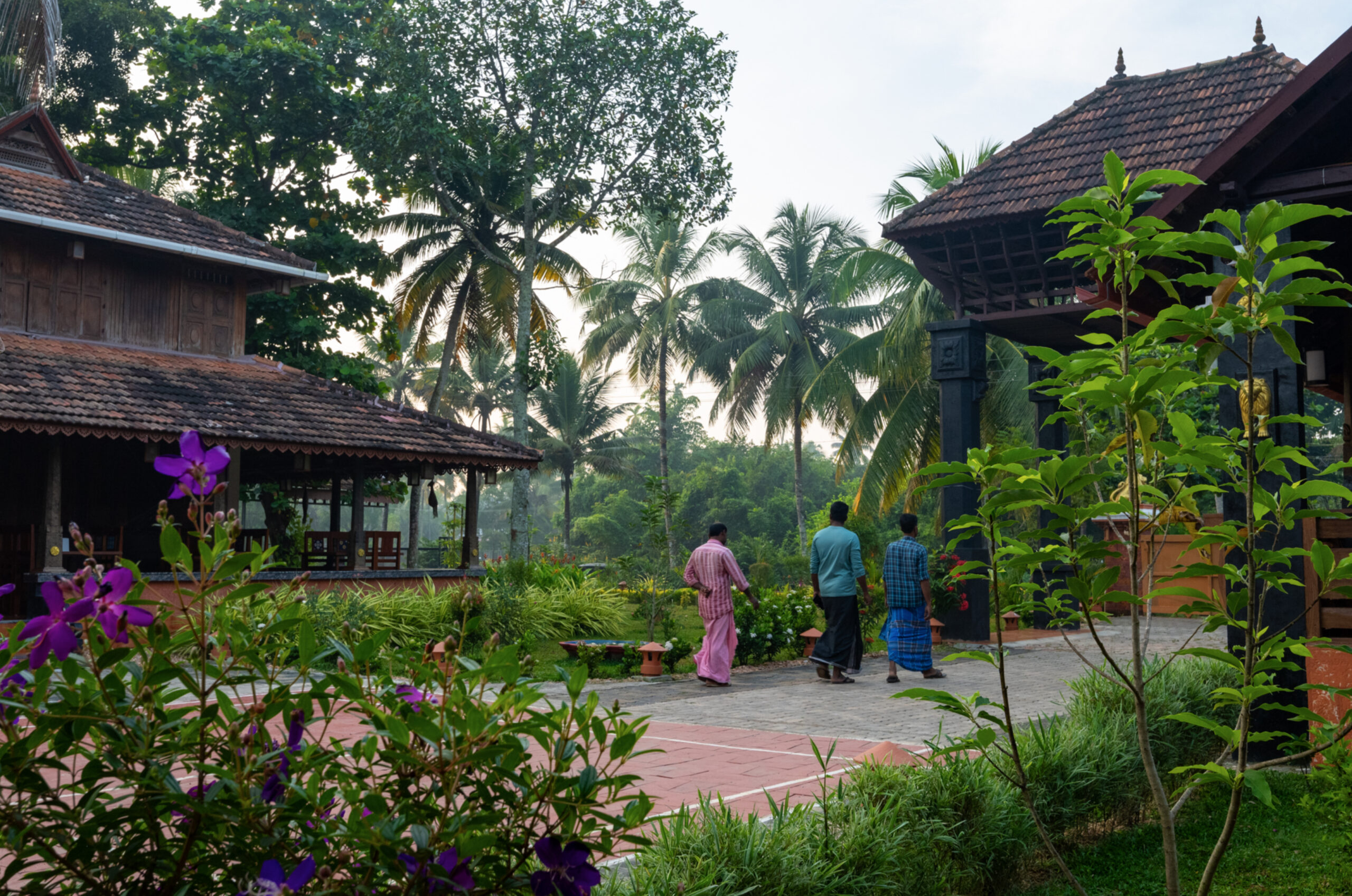
Expecting mothers receive care that addresses not just lower back pain during pregnancy, but also digestion, sleep, mood, and overall energy levels. The serene setting of Kumarakom enhances the experience allowing mothers to rest, heal, and prepare for motherhood with confidence.
Conclusion
Motherhood begins with self-care. Ayurveda teaches that when a mother is balanced and calm, her baby flourishes too. If you’re struggling with lower back pain during pregnancy, know that your body is simply asking for more attention, rest, and nourishment not just treatment.
At Dheemahi Ayurvedic Village, care extends beyond relief it’s about nurturing your entire being. Through personalized Ayurvedic guidance, safe therapies, and a tranquil environment, we help you embrace this sacred phase with comfort and joy.
Take a step towards holistic well-being and reconnect with your body’s natural rhythm because motherhood deserves mindful care, every step of the way.
Frequently Asked Questions
Is Ayurvedic treatment safe for back pain during pregnancy?
Yes! when done under qualified medical supervision. At Dheemahi Ayurveda, therapies are customized trimester-wise, using gentle oils, mild support techniques, and non-invasive methods to ensure safety for both mother and baby. No strong heat, deep pressure, or internal medicines are used without proper assessment.
How does Ayurveda reduce lower back pain naturally during pregnancy?
Ayurveda focuses on calming aggravated Vata dosha, improving nourishment, and relaxing spinal muscles. Gentle Abhyanga (oil massage), Kati Pichu, and guided posture care help relieve stiffness while supporting healthy pregnancy changes.
Will I get relief immediately, or does it take time?
Many expecting mothers feel relief after the first few sessions. However, Ayurveda aims at gradual improvement by supporting muscles, bone strength, and emotional ease — leading to more stable, long-term comfort.
What is not included in the tariff and charged extra?
- Taxi pick-up from Kochi Airport: ₹3000/- for small cars (4-seater) and ₹4500/- for big cars (6-seater)
- Taxi pick-up from Kottayam railway station: ₹1400
- Boating to the lake
- Laundry: ₹150 per wash cycle (washing and drying only, no ironing)
- Medical investigations (blood tests, urine tests, ultrasonography, etc.) and associated transportation charges
- Aftercare medications to take home
- Any additional transportation needs
- Therapies outside the scope of the doctor’s advice
How should I prepare for Ayurvedic treatments?
Get Ready Mentally: Preparing your mindset is crucial for a profound and life-changing journey. Share any dietary needs or health concerns, and keep an open attitude
What is the daily program schedule?
Our daily routine may vary based on consultation decisions, but generally include:
- 6:30 AM: Yoga (replaced by therapy sessions on some days)
- 7:45 AM: Kashaya Pana (Herbal Medicines)
- 8:00 AM: Breakfast
- 9:30 AM – 12:30 PM: Therapy Sessions
- 12:45 PM: Lunch
- 2:30 PM: Therapy Sessions as per schedule
- Evening: Walk, cycling, or swimming pool
- 6:45 PM: Kashaya Pana (Herbal Medicines)
- 7:00 PM: Dinner
- Early to bed
What should I carry with me to the resort?
- Clothes: Casuals, light woolens, cotton tees, and trousers for yoga classes
- Medical: Past medical history records and prescriptions
- Books, etc.
What is your payment and cancellation policy?
If there are any changes to your plans, please inform us. We do not believe in a complicated cancellation policy. Although we previously had a policy for deducting an advance amount, we have never enforced it. If you are not satisfied with our care after arriving, you only need to pay for the services you have received.
How do I choose the right package?
Our doctors will select the best package to ensure you receive the most suitable treatment for your needs.
How do I book a stay?
- Step 1: Submit a consultation form
- Step 2: Discuss with the doctor
- Step 3: Confirm your booking
How Our Booking Process Works
The unique approach involves a series of discussion during your initial decision-making process to make sure that we will be able to match your expectations with our treatment.
Based on the discussions with you our team of expert doctors will design the best treatment package personalized for your needs.
01
Consultation Form
Fill out our consultation form, and let us know when will you be available for our doctor to talk to you
02
Discussion with Doctor
Discuss your health condition and expectations with our doctor.
03
Booking Confirmation
Confirm the booking by making a payment of 50% advance.
Consultation Form
Submit this form to initiate a booking with us
Have any queries? We will help you. Talk to us now
Say Goodbye to Health Woes & Hello to Healthy Living
Dheemahi Ayurvedic Pvt Ltd
12/386 Varaputhara Road
Kumarakom, Kerala, India
Pin 686563
Dheemahi Ayurvedic Centre, Near Neelimangalam Bridge, Kumaranaloor, Perumbaikad.P.O, Kottayam, Kerala, India, Pin 686016
Other Treatments
Karkidaka Chikilsa | Ayurvedic Treatment for Depression | How to Reduce Stress Naturally | Autoimmune Disorders | Mental Health Ayurvedic Treatment | Weight-Loss Treatment | Frozen Shoulder Ayurvedic Treatment | Diabetes Ayurvedic Treatment | PCOS Ayurvedic Treatment | Celiac Disease Treatment | ayurvedic treatment for skin diseases | nervous system ayurvedic treatment | Back Pain Ayurvedic Treatment | Cervical Spondylitis Ayurvedic Treatment | ayurvedic treatment for blood sugar | Fatty Liver Ayurvedic Treatment | Knee Pain Ayurvedic Treatment | Migraine Ayurvedic Treatment | Osteoarthritis Ayurvedic Treatment | Psoriasis Ayurvedic Treatment | Sinusitis Ayurvedic Treatment | Ayurvedic Detox Treatment | Migraine Ayurvedic Treatment | Ayurvedic Treatment for Rheumatoid Arthritis | Ayurvedic treatment for joint pain | Ayurvedic treatment for ulcerative colitis | Panchakarma Treatment |