
Migraine Yoga Exercises for Lasting Relief
Migraines are complex neurological conditions that affect every aspect of daily life. This complete guide to natural yoga practices, Ayurvedic therapies, and Panchakarma treatments in Kerala addresses migraines at the root not just the symptom.
Migraines are much more than ordinary headaches. They are complex neurological conditions that can affect every aspect of daily life, including work, sleep, concentration, and emotional well-being. For many individuals, migraines recur despite taking painkillers, leaving them searching for a more sustainable and natural solution. Migraine Yoga Exercises have become an increasingly popular complementary approach because they help reduce stress, improve blood circulation, relax tense muscles, and support the body’s natural healing mechanisms.
Yoga is not simply a form of exercise it is a holistic practice that connects the body, mind, and breath. Regular yoga practice helps regulate the nervous system, reduces stress hormones, and promotes deep relaxation, all of which are essential for migraine management. When combined with Migraine Ayurvedic Treatment, yoga becomes even more effective by addressing the underlying imbalances responsible for recurring headaches rather than merely suppressing symptoms.
According to Ayurveda, migraine is often associated with an imbalance of Vata and Pitta doshas. Excess stress, irregular eating habits, poor digestion, disturbed sleep, excessive screen exposure, and emotional strain can aggravate these doshas, resulting in recurring migraine attacks. While Ayurveda restores internal balance through herbal medicines, dietary modifications, Panchakarma therapies, and lifestyle guidance, yoga supports this healing process by calming the nervous system and improving overall wellness.
Whether you experience occasional migraines or chronic headaches, incorporating Migraine Yoga Exercises into your daily routine can help reduce migraine frequency, improve quality of life, and support long-term health naturally.
Understanding Migraine from an Ayurvedic Perspective
Ayurveda views migraine as more than a neurological condition. It considers migraine a manifestation of deeper imbalances within the body. Disturbed Vata can affect the nervous system, while aggravated Pitta contributes to inflammation and excessive heat, both of which can trigger migraine episodes.
Several lifestyle factors may contribute to these imbalances, including:
- Chronic stress and anxiety
- Irregular sleeping patterns
- Poor digestion and weak Agni (digestive fire)
- Skipping meals
- Hormonal changes
- Excessive screen time
- Dehydration
- Poor posture
- Seasonal changes
Unlike temporary pain relief methods, Ayurveda focuses on identifying and correcting these root causes. Regular Migraine Yoga Exercises complement this approach by calming Vata, reducing Pitta, and encouraging physical and mental balance.
Benefits of Migraine Yoga Exercises
One of the greatest advantages of yoga is that it addresses multiple migraine triggers simultaneously. Rather than targeting pain alone, yoga improves overall health and resilience.
Reduces Stress and Anxiety
Stress is one of the leading migraine triggers. Yoga activates the parasympathetic nervous system, lowering cortisol levels and promoting relaxation. This helps reduce the frequency and severity of stress-induced migraines.
Improves Sleep Quality
Poor sleep often contributes to migraine attacks. Yoga relaxes the nervous system, making it easier to fall asleep and enjoy deeper, more restorative rest. Consistent practice also helps regulate sleep cycles, reducing the likelihood of insomnia
Improves Blood Circulation
Proper blood circulation ensures that oxygen and nutrients reach the brain efficiently. Gentle yoga postures encourage healthy circulation without placing unnecessary strain on the body.
Enhances Mental Well-being
Yoga encourages mindfulness, emotional stability, and mental clarity. Regular practice helps reduce anxiety and emotional stress, both of which are commonly associated with migraines.
Relieves Neck and Shoulder Tension
Many migraine sufferers experience tightness in the neck, shoulders, and upper back. Yoga stretches and relaxes these muscles, helping reduce tension-related headaches.
Supports Digestion
Gentle yoga twists aid digestion, reducing gut-related migraine triggers. They also help detoxify the body, promoting overall balance and well-being. Boosts gut health. Eases bloating too.
Best Migraine Yoga Exercises for Natural Relief
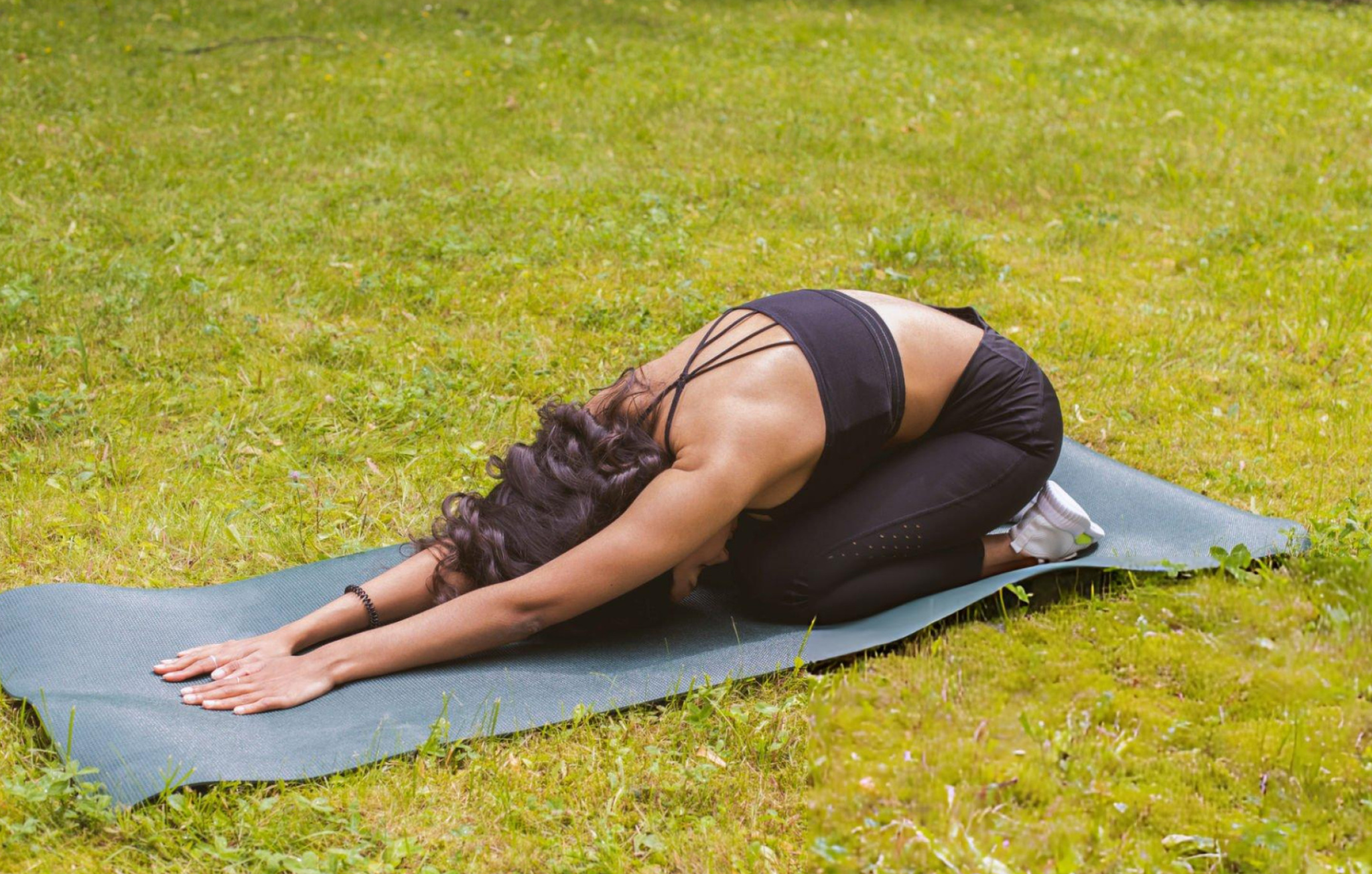
Balasana (Child’s Pose)
Balasana is one of the most relaxing yoga poses for migraine sufferers. This gentle forward-bending posture stretches the back while calming the mind.
Benefits
- Relaxes the nervous system
- Reduces mental stress
- Gently stretches the spine
- Relieves fatigue
- Encourages deep breathing
Hold the pose for three to five minutes while maintaining slow, controlled breathing.
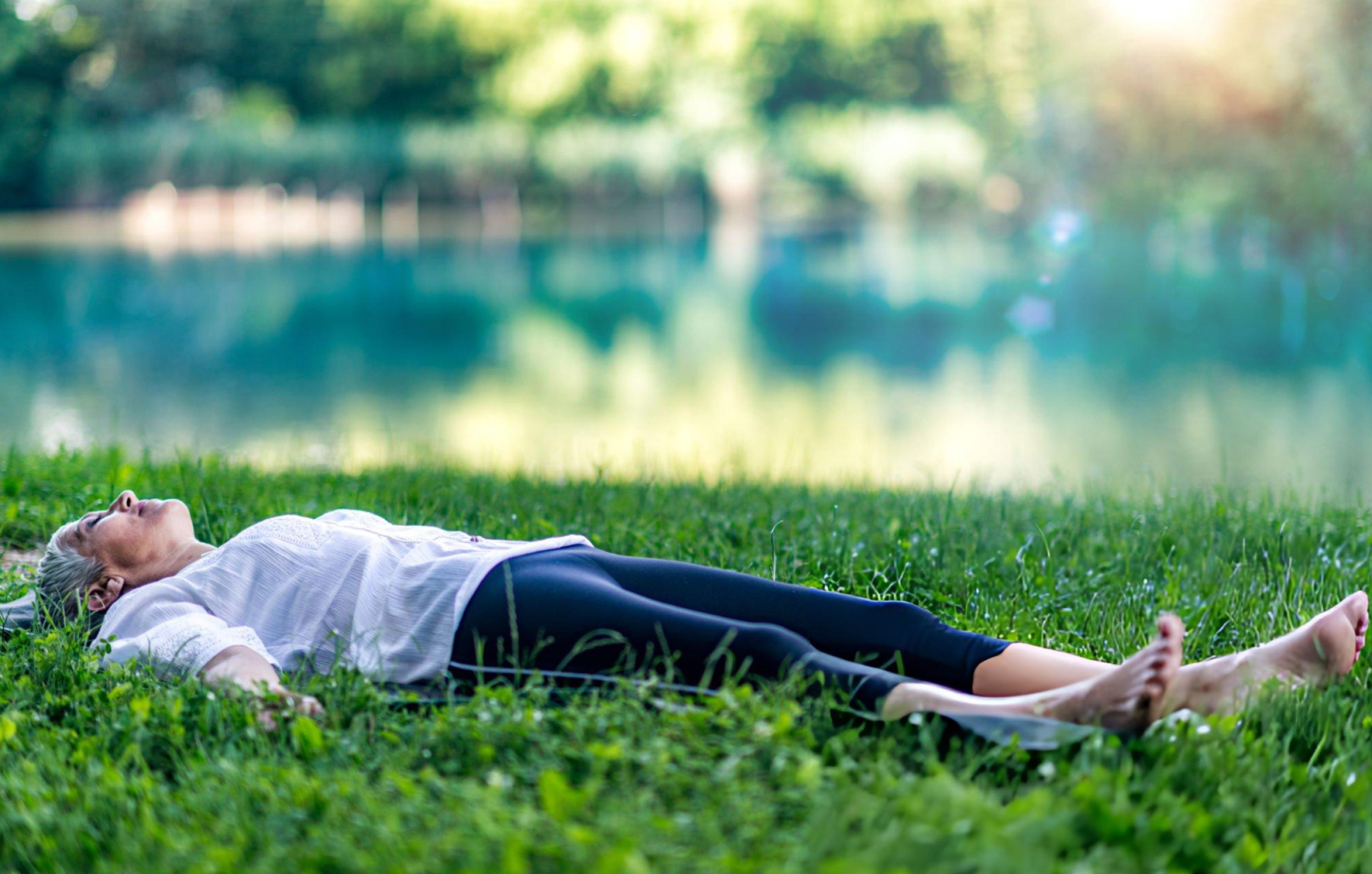
Shavasana (Corpse Pose)
Shavasana may appear simple, but it is among the most effective relaxation techniques in yoga. It allows the body and mind to recover completely after physical activity.
Benefits
- Promotes deep relaxation
- Reduces stress hormones
- Supports nervous system recovery
- Improves concentration
- Reduces headache triggers
Practicing Shavasana daily enhances the effectiveness of other Migraine Yoga Exercises.
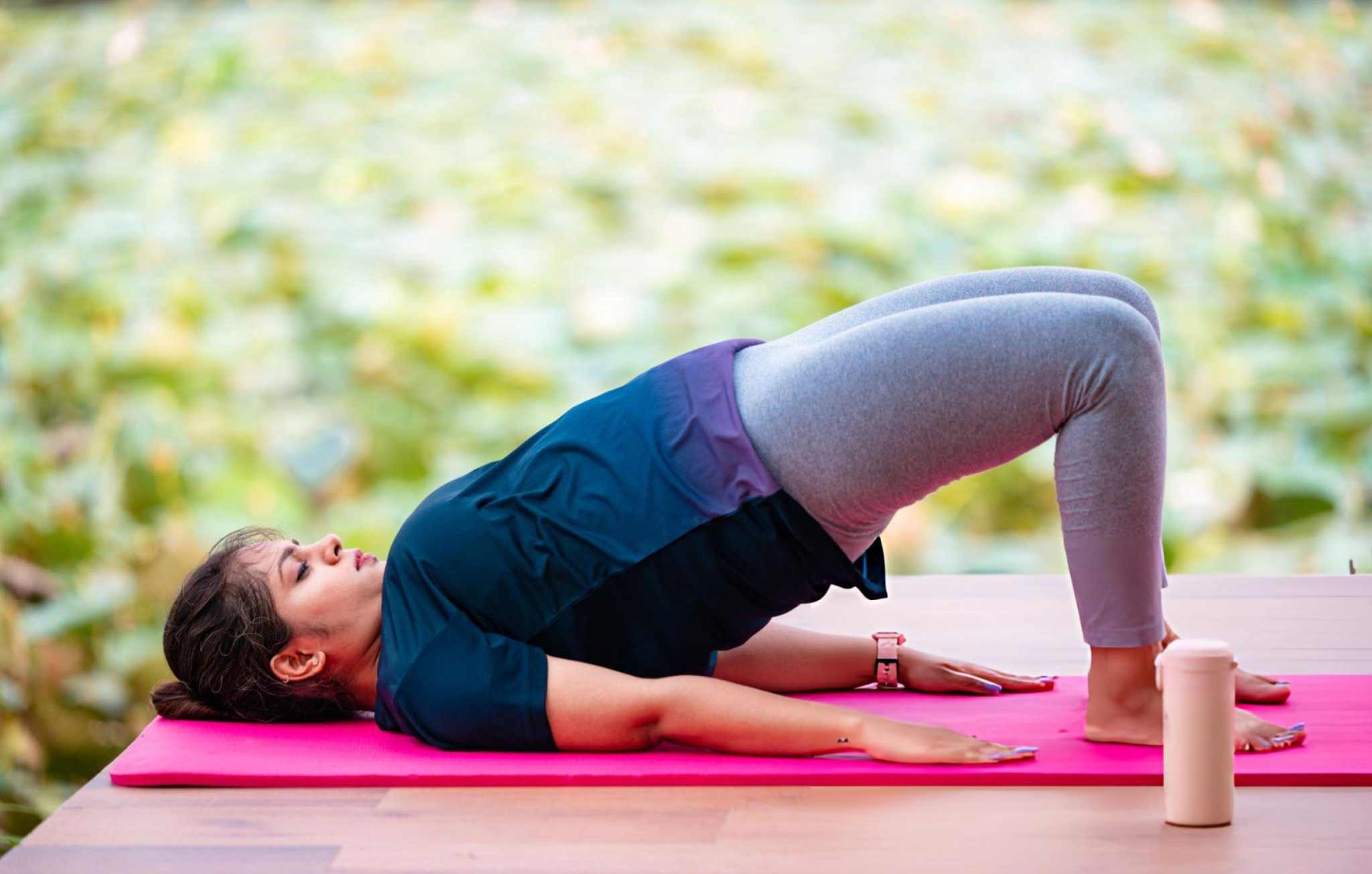
Setu Bandhasana (Bridge Pose)
This gentle backbend improves circulation while strengthening the spine and opening the chest.
Benefits
- Improves blood flow
- Releases neck tension
- Strengthens the back
- Opens the chest
- Reduces muscular stiffness
Hold the pose for 20–30 seconds while breathing comfortably.
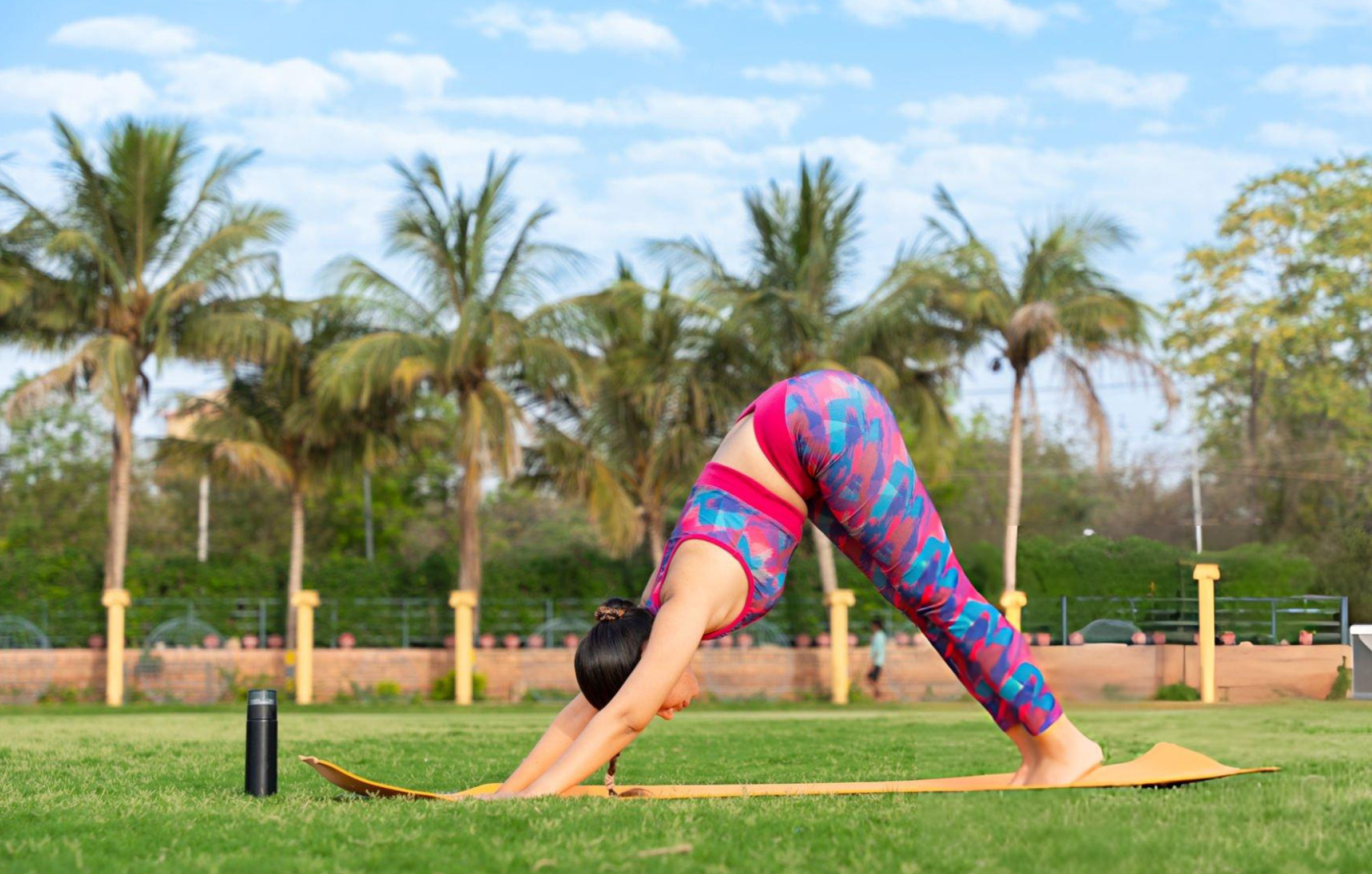
Adho Mukha Svanasana (Downward Dog)
This classic yoga pose stretches the entire body while increasing circulation to the upper body.
Benefits
- Relieves shoulder tightness
- Improves posture
- Strengthens muscles
- Encourages healthy circulation
- Reduces fatigue
Individuals experiencing an active migraine should avoid holding this posture for prolonged periods.
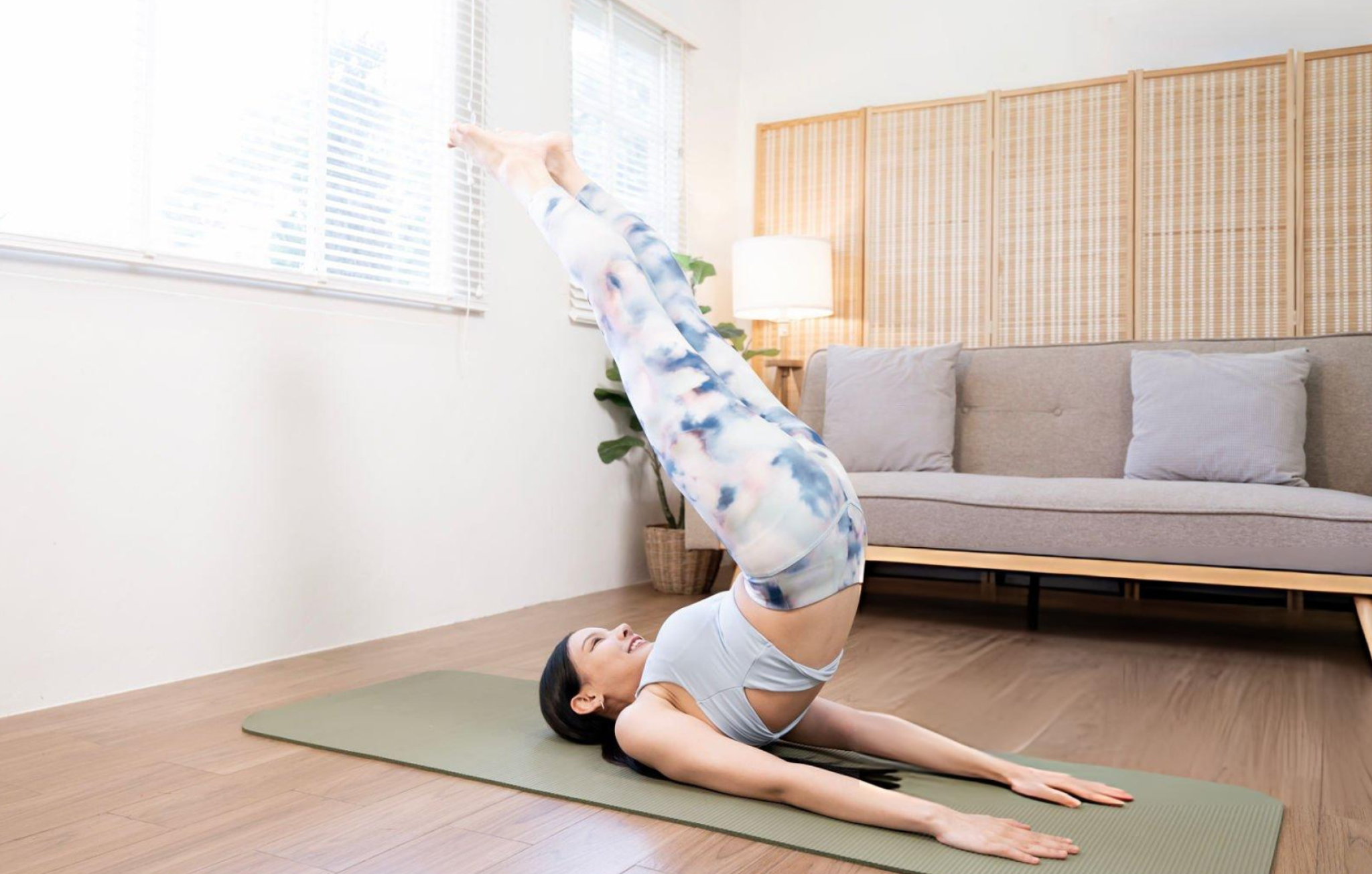
Viparita Karani (Legs-Up-the-Wall Pose)
Viparita Karani is considered one of the most restorative Migraine Yoga Exercises. It promotes deep relaxation while reducing fatigue and stress.
Benefits
- Improves circulation
- Calms the nervous system
- Relieves tired legs
- Reduces anxiety
- Improves sleep quality
Practice this pose for five to ten minutes every evening for maximum benefit.
Pranayama for Migraine Relief
Breathing exercises, known as Pranayama, play an important role in migraine management by calming the nervous system and improving oxygen delivery throughout the body.
Anulom Vilom (Alternate Nostril Breathing)
This breathing technique balances the body’s energy channels while reducing stress.
Benefits include:
- Improved mental clarity
- Better oxygen flow
- Reduced anxiety
- Balanced nervous system
Practice for five to ten minutes every morning.
Bhramari Pranayama (Bee Breath)
Bhramari creates soothing vibrations that relax the brain and nervous system.
Benefits include:
- Reduced stress
- Better focus
- Lower mental fatigue
- Relief from tension headaches
Sheetali Pranayama
Sheetali is known as the cooling breath and is particularly beneficial when migraines are associated with excess heat or aggravated Pitta.
Benefits include:
- Cooling the body
- Reducing irritability
- Relieving stress
- Promoting relaxation
These breathing techniques work alongside Migraine Yoga Exercises to promote complete physical and mental relaxation.
Meditation and Yoga Nidra
Meditation is an essential component of holistic migraine care. Even ten to fifteen minutes of daily meditation can significantly reduce stress and improve emotional resilience.
Helpful practices include:
- Guided mindfulness meditation
- Breath awareness meditation
- Yoga Nidra
- Om chanting
- Body scan relaxation
Yoga Nidra is particularly effective because it induces deep relaxation while allowing the body to recover from physical and mental fatigue.
Lifestyle Tips to Support Migraine Yoga Exercises
Yoga becomes more effective when supported by healthy daily habits.
Morning Routine
- Wake up at a consistent time.
- Drink warm water.
- Practice Anulom Vilom.
- Perform gentle stretching.
- Eat a nourishing breakfast.
Throughout the Day
- Stay hydrated.
- Avoid skipping meals.
- Reduce caffeine consumption.
- Maintain proper posture.
- Limit prolonged screen exposure.
Evening Routine
- Practice gentle stretching.
- Perform Viparita Karani.
- Meditate for ten minutes.
- Eat dinner early.
- Maintain a consistent bedtime.
These daily habits enhance the benefits of Migraine Yoga Exercises and help reduce migraine triggers naturally.
Combining Yoga with Migraine Ayurvedic Treatment
While yoga is highly beneficial, chronic migraine often requires a comprehensive treatment approach. Migraine Ayurvedic Treatment focuses on restoring balance through individualized care rather than temporary symptom relief.
Depending on the individual’s constitution and symptoms, treatment may include:
- Ayurvedic consultation
- Herbal medicines
- Personalized dietary recommendations
- Lifestyle modifications
- Stress management
- Detoxification therapies
- External Ayurvedic treatments
When combined with regular yoga practice, these therapies address both the symptoms and the underlying causes of migraine.
Panchakarma Treatment in Kerala for Chronic Migraine
Many individuals suffering from recurrent migraines choose Panchakarma Treatment Kerala because of Kerala’s long-standing tradition of authentic Ayurvedic therapies.
Panchakarma is a specialized detoxification process that removes accumulated toxins (Ama), balances the doshas, and restores optimal body function.
Common therapies include:
Shirodhara
A continuous stream of warm medicated oil is gently poured over the forehead to calm the nervous system and promote mental relaxation.
Nasya
Medicated herbal oils are administered through the nasal passages to cleanse the head region and improve sinus and neurological health.
Abhyanga
A synchronized full-body massage using medicated oils improves circulation, reduces muscle tension, and nourishes the nervous system.
Swedana
Herbal steam therapy supports detoxification and enhances circulation.
Virechana
A supervised cleansing therapy that helps eliminate excess Pitta from the body.
These treatments are often recommended alongside Migraine Yoga Exercises to provide long-term relief and improve overall well-being.
Precautions Before Practicing Migraine Yoga Exercises
Although yoga is generally safe, certain precautions should be followed.
- Avoid strenuous yoga during an active migraine attack.
- Practice in a calm and quiet environment.
- Never force your body into uncomfortable positions.
- Stay well hydrated.
- Avoid practicing immediately after heavy meals.
- Seek guidance from a qualified yoga instructor if you are new to yoga.
- Consult your healthcare provider if you have chronic neurological or spinal conditions.
Begin Your Journey Toward Natural Migraine Relief
Migraines can significantly impact daily life, but long-term relief is possible with a holistic approach. Regular Migraine Yoga Exercises, supported by mindful breathing, meditation, healthy lifestyle habits, and authentic Ayurvedic care, can help restore balance, reduce migraine frequency, and improve overall well-being. For individuals experiencing chronic migraines, combining yoga with Migraine Ayurvedic Treatment and Panchakarma Treatment in Kerala offers a comprehensive path toward lasting relief by addressing both symptoms and their underlying causes.
Frequently Asked Questions
Which yoga poses are best for migraine?
Balasana, Shavasana, Viparita Karani, Setu Bandhasana, and Adho Mukha Svanasana are among the most effective yoga poses for reducing stress, improving circulation, and relieving muscle tension associated with migraines.
Can pranayama cure migraine naturally?
Pranayama is not considered a cure for migraine, but regular breathing practices such as Anulom Vilom, Bhramari, and Sheetali can reduce stress, improve oxygen flow, and help decrease migraine frequency.
Is yoga safe during a migraine attack?
Gentle restorative poses like Shavasana or Viparita Karani may provide comfort during mild symptoms. However, strenuous, fast-paced, or inverted poses should generally be avoided during an active migraine episode.
Can yoga and Ayurveda be practiced together?
Yes. Combining Migraine Yoga Exercises with Migraine Ayurvedic Treatment provides a holistic strategy that supports symptom relief while addressing the root causes of migraine through personalized therapies, dietary guidance, herbal medicines, and healthy lifestyle practices.
Can beginners practice Migraine Yoga Exercises?
Yes. Most Migraine Yoga Exercises are beginner-friendly and involve gentle stretching, mindful breathing, and relaxation. Start with simple poses like Child’s Pose, Shavasana, and Cat-Cow, and practice under the guidance of a qualified yoga instructor if you’re new to yoga.
How often should I practice yoga for migraine relief?
For the best results, practice yoga for 20–30 minutes, at least 4–5 days a week. Consistent practice helps reduce stress, improve sleep quality, release muscle tension, and may lower the frequency and severity of migraine attacks over time.
What should I avoid while practicing yoga for migraines?
Avoid intense yoga sessions, rapid movements, hot yoga, and advanced inversions if they trigger your symptoms. Always practice in a quiet, well-ventilated space, stay hydrated, and stop immediately if you experience increased headache pain, dizziness, or discomfort.
How Our Booking Process Works
The unique approach involves a series of discussion during your initial decision-making process to make sure that we will be able to match your expectations with our treatment.
Based on the discussions with you our team of expert doctors will design the best treatment package personalized for your needs.
01
Consultation Form
Fill out our consultation form, and let us know when will you be available for our doctor to talk to you
02
Discussion with Doctor
Discuss your health condition and expectations with our doctor.
03
Booking Confirmation
Confirm the booking by making a payment of 50% advance.
Consultation Form
Submit this form to initiate a booking with us
Have any queries? We will help you. Talk to us now
Say Goodbye to Health Woes & Hello to Healthy Living
Dheemahi Ayurvedic Pvt Ltd
12/386 Varaputhara Road
Kumarakom, Kerala, India
Pin 686563
Dheemahi Ayurvedic Centre, Near Neelimangalam Bridge, Kumaranaloor, Perumbaikad.P.O, Kottayam, Kerala, India, Pin 686016
Other Treatments
Karkidaka Chikilsa | Ayurvedic Treatment for Depression | How to Reduce Stress Naturally | Autoimmune Disorders | Weight-Loss Treatment | Frozen Shoulder Ayurvedic Treatment | Diabetes Ayurvedic Treatment | PCOS Ayurvedic Treatment | Celiac Disease Treatment | ayurvedic treatment for skin diseases | nervous system ayurvedic treatment | Back Pain Ayurvedic Treatment | Cervical Spondylitis Ayurvedic Treatment | ayurvedic treatment for blood sugar | Fatty Liver Ayurvedic Treatment | Knee Pain Ayurvedic Treatment | Migraine Ayurvedic Treatment | Osteoarthritis Ayurvedic Treatment | Psoriasis Ayurvedic Treatment | Sinusitis Ayurvedic Treatment | Ayurvedic Detox Treatment | Ayurvedic Treatment for Rheumatoid Arthritis | Ayurvedic treatment for joint pain | Ayurvedic treatment for ulcerative colitis | Panchakarma Treatment |