
Side Effects of Non-Alcoholic Fatty Liver Disease: Symptoms, Complications and Ayurvedic Support
Side Effects of Non-Alcoholic Fatty Liver Disease can range from no noticeable symptoms in the early stages to fatigue, abdominal discomfort, and metabolic problems as the condition progresses. In many cases, non-alcoholic fatty liver disease (NAFLD), now commonly referred to as metabolic dysfunction-associated steatotic liver disease (MASLD), develops when excess fat builds up in the liver.
However, because the condition can develop silently, many people may not realize they have fatty liver until blood tests or imaging identify it. Therefore, regular medical evaluation and healthy lifestyle changes are important. Alongside these measures, Fatty Liver Ayurvedic Treatment Kerala may provide complementary support through personalized dietary guidance, daily routines, yoga, stress management, and selected Ayurvedic therapies.
What Are the Side Effects of Non-Alcoholic Fatty Liver Disease?
The side effects of non-alcoholic fatty liver disease can vary from person to person. In the early stages, many people may not notice any symptoms. However, as the condition progresses, some individuals may experience persistent tiredness, reduced energy, abdominal discomfort, or digestive problems.
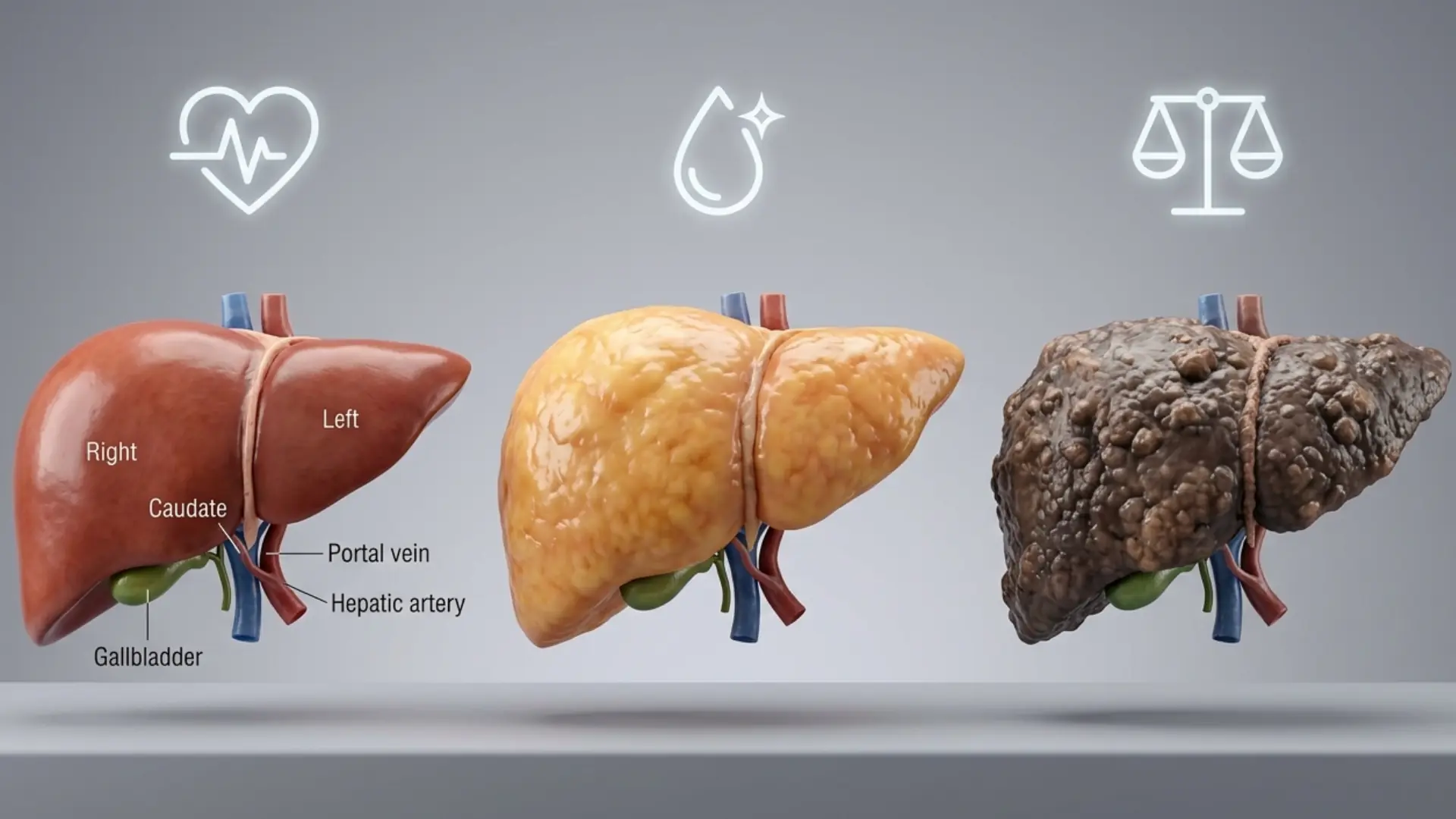
More importantly, fatty liver can sometimes progress from simple fat accumulation to inflammation and liver scarring. Over time, advanced fibrosis and cirrhosis can affect liver function and increase the risk of serious complications.
In addition, fatty liver often occurs alongside metabolic conditions such as insulin resistance, type 2 diabetes, obesity, high cholesterol, and high blood pressure. Therefore, effective management should focus not only on liver health but also on improving overall metabolic health.
Why Does Non-Alcoholic Fatty Liver Disease Often Progress Silently?
One of the main challenges of NAFLD or MASLD is that it can develop without noticeable warning signs. As a result, a person may have excess liver fat while continuing normal daily activities and feeling generally healthy.
When symptoms do appear, they are often mild and nonspecific. For example, fatigue, digestive discomfort, or mild abdominal heaviness can have several causes and do not necessarily indicate fatty liver.
Therefore, regular health evaluation is especially important for people with metabolic risk factors. Liver enzyme tests, imaging, and appropriate fibrosis assessments can help healthcare professionals identify liver changes and evaluate potential liver damage.
What Are the Common Side Effects of Non-Alcoholic Fatty Liver Disease?
The common symptoms associated with fatty liver are generally mild and nonspecific. They may include fatigue, abdominal discomfort, and digestive changes.
Persistent Fatigue and Weakness
Some people with fatty liver experience persistent fatigue and weakness. However, poor sleep, anaemia, thyroid disorders, nutritional deficiencies, stress, and other health conditions can also cause tiredness. Because of this, clinicians should evaluate the condition properly instead of assuming liver dysfunction causes the fatigue.
Abdominal Discomfort or Heaviness
Fatty liver causes mild discomfort or heaviness in the upper-right abdomen. However, similar symptoms can also arise from gallbladder or digestive problems. Therefore, a healthcare professional should evaluate persistent or severe abdominal pain.
Digestive Problems
Bloating, nausea, or heaviness after meals. These symptoms, however, do not specifically indicate NAFLD. A balanced diet, regular meal patterns, and strong metabolic health help support overall liver and digestive wellness.
Changes in Weight and Metabolic Health
Excess weight, insulin resistance, high blood sugar, and abnormal cholesterol levels often contribute to fatty liver. Healthy weight management supports liver health, so people should focus on balanced nutrition and regular physical activity as part of daily care.
Skin and Eye Changes in Advanced Disease
Yellowing of the skin or eyes (jaundice) is usually linked to more advanced liver dysfunction rather than early fatty liver. Because jaundice can have several causes, it should always be medically evaluated rather than considered a normal detox symptom.
What Are the Serious Complications of Non-Alcoholic Fatty Liver Disease?
The main concern with fatty liver is not the mild symptoms but the possibility of progressive liver damage.
In some people, excess liver fat can trigger inflammation and fibrosis. Over time, ongoing liver injury can cause scar tissue to build up and affect normal liver function. If fibrosis becomes extensive, it may progress to cirrhosis and increase the risk of further complications.
Potential complications include:
Progressive liver fibrosis
Liver cancer
Liver failure
Cardiovascular disease
Increased metabolic risk
Chronic kidney disease
How Does Ayurveda View Fatty Liver and Its Symptoms?
Ayurveda views health through traditional concepts such as Agni, Ama, Dosha balance, and Dhatu metabolism. These concepts come from the Ayurvedic medical system and do not directly correspond to modern biomedical diagnoses.
From an Ayurvedic perspective, impaired digestion and metabolism may indicate weakened Agni. The traditional concept of Ama refers to incompletely processed material that Ayurveda associates with impaired digestion and metabolism.
Ayurvedic practitioners may also consider imbalances involving Pitta and Medo Dhatu when developing an individualized approach to liver and metabolic wellness.
In contrast, modern medicine links fatty liver primarily to factors such as insulin resistance, excess body fat, metabolic dysfunction, and abnormal lipid metabolism.
Therefore, a responsible Ayurvedic approach can use traditional principles to guide diet, lifestyle, and wellness practices while also encouraging appropriate medical assessment.
Can Ayurvedic Treatment Support Fatty Liver Management?
Fatty Liver Ayurvedic Treatment in Kerala can support overall liver and metabolic wellness through personalized lifestyle guidance, dietary planning, stress management, yoga, and selected traditional therapies.
Rather than promoting a quick “liver cleanse,” a comprehensive approach can support long-term wellness. Ayurvedic care can complement appropriate medical evaluation and monitoring, while no single Ayurvedic procedure can guarantee the removal of liver fat.
A personalized program may focus on:
✔ Improving food quality
✔ Supporting healthy digestion
✔ Encouraging regular physical activity
✔ Managing body weight
✔ Supporting healthy sleep
✔ Reducing stress
✔ Establishing consistent daily routines
✔ Using traditional therapies when appropriate
Overall, this holistic approach can support better wellness because fatty liver is closely connected with metabolic health.
How Can Panchakarma Be Used in Ayurvedic Liver Care?
Panchakarma is a traditional Ayurvedic therapeutic system that includes several procedures. A qualified Ayurvedic physician selects these procedures based on an individual’s health condition and needs.
For people considering Fatty Liver Ayurvedic Treatment in Kerala, Panchakarma should not follow a universal protocol. Instead, a qualified Ayurvedic physician should assess the person’s health and determine the appropriate procedures, duration, and intensity.

Panchakarma Treatment in Kerala for Individualized Liver Wellness
Certain Panchakarma procedures may be incorporated into an Ayurvedic wellness plan when considered suitable.
Virechana is a traditional Ayurvedic purgation therapy commonly associated with Pitta management. A qualified Ayurvedic physician should guide the procedure because improper use may cause dehydration or electrolyte imbalance.
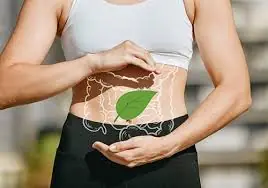
Basti is a traditional Ayurvedic therapy that uses medicated preparations through the rectal route and commonly supports Vata management. A qualified Ayurvedic physician should assess the individual’s health condition and treatment goals to determine whether Basti is appropriate.
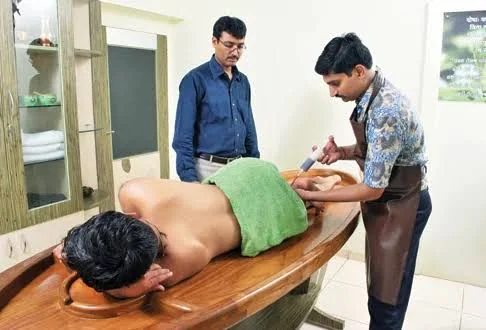
Abhyanga, or Ayurvedic oil massage, uses warm herbal oils to promote relaxation, support circulation, and enhance overall well-being. Ayurvedic wellness programs may include Abhyanga to encourage relaxation and support a balanced lifestyle.
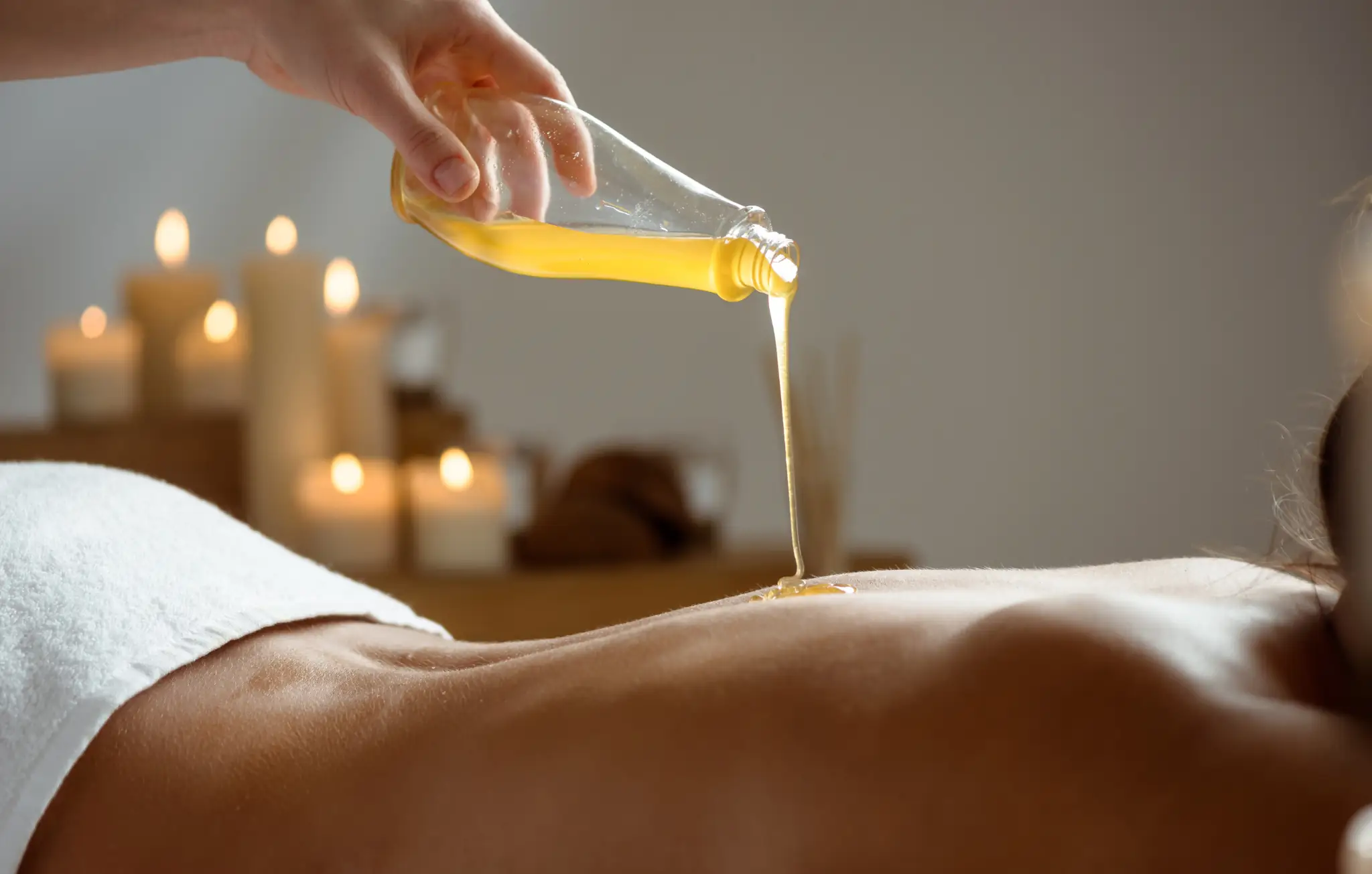
Swedana, or herbal steam therapy, can form part of selected Ayurvedic treatment protocols. However, practitioners should not claim that Swedana directly melts or removes liver fat because current medical evidence does not establish such an effect

The objective of Panchakarma in a responsible treatment setting is individualized care rather than a one-size-fits-all detoxification program.
Which Ayurvedic Herbs Are Traditionally Used for Liver Support?
Ayurveda traditionally uses herbs such as Guduchi, Punarnava, Bhumyamalaki, Katuki, and Triphala to support digestion and metabolic wellness. However, herbal preparations require careful use because natural products can interact with medicines, and some supplements may cause liver injury.
Therefore, people with diagnosed liver disease should consult a qualified Ayurvedic physician and healthcare professional before using herbal preparations. Most importantly, practitioners should tailor herbal care to each person’s health condition instead of choosing multiple herbs based only on information found online.
What Diet Is Helpful During Ayurvedic Fatty Liver Care?
Diet plays an important role in managing fatty liver because liver health is closely connected with body weight, insulin sensitivity, and metabolic function.
A supportive diet generally emphasizes nutrient-dense, minimally processed foods rather than extreme fasting or restrictive detox diets.
An individualized Ayurvedic diet may include:
→ Freshly prepared meals
→ Vegetables and fibre-rich foods
→ Appropriate sources of protein
→ Whole grains and legumes were suitable
→ Healthy fats in appropriate portions
→ Adequate hydration
→ Reduced refined carbohydrates
→ Reduced added sugar
→ Limited highly processed foods
Portion control and sustainable eating habits are generally more useful than short-term crash diets.
For people with diabetes, obesity, or other medical conditions, dietary recommendations should be personalized by an appropriate healthcare professional.
How Does Lifestyle Affect Fatty Liver?
Lifestyle modification is one of the most important components of fatty liver management.
Regular physical activity can improve insulin sensitivity and cardiovascular health. It may also help reduce liver fat, even when substantial weight loss does not occur.
A balanced exercise routine can include:
Walking
Strength training
Yoga
Mobility exercises
Moderate aerobic activity
Sleep and stress management are also important because poor sleep and chronic stress can negatively affect metabolic health.
Ayurveda’s traditional emphasis on Dinacharya, or a structured daily routine, can complement these modern lifestyle principles by encouraging consistency in eating, sleeping, movement, and self-care.
Can Ayurvedic Detox Help With Fatty Liver?
Ayurvedic detox programs traditionally use individualized dietary practices and therapies to support overall wellness. However, Ayurveda should not be promoted as a medically proven method for “flushing toxins” from the liver.
Instead, the liver naturally performs important metabolic and detoxification functions. Therefore, extreme juice cleanses, prolonged fasting, or unregulated herbal detox products are not necessary to “clean” the liver.
For people researching the Best Liver Detox in India, a healthier approach focuses on supporting normal metabolic function through balanced nutrition, regular physical activity, healthy weight management, adequate sleep, and professional guidance.
In this way, Fatty Liver Ayurvedic Treatment Kerala can incorporate traditional Ayurvedic principles alongside a broader lifestyle-focused approach and appropriate medical care. A responsible liver wellness program should focus on personalized care rather than promising quick detoxification or guaranteed results.
How Can the Long-Term Side Effects of Non-Alcoholic Fatty Liver Disease Be Reduced?
The long-term effects of fatty liver can be reduced by identifying and managing the factors contributing to metabolic dysfunction.
Important measures include:
Maintain a Healthy Body Weight
For people who are overweight, gradual and sustainable weight loss can reduce liver fat and improve metabolic health. The appropriate target should be individualized.
Control Blood Sugar
High blood sugar and insulin resistance are important risk factors for fatty liver progression. People with diabetes should follow their prescribed treatment and regularly monitor their condition.
Avoid Excessive Alcohol
Although MASLD is associated primarily with metabolic dysfunction rather than alcohol, alcohol consumption can add stress to the liver. Individuals with liver disease should discuss alcohol use with their healthcare professional.
Choose Whole, Minimally Processed Foods
Reducing excessive sugar, refined carbohydrates, and ultra-processed foods can support better metabolic health.
Manage Cholesterol and Blood Pressure
Healthy cholesterol and blood pressure levels contribute to better cardiovascular and metabolic health.
Stay Physically Active
Regular exercise supports insulin sensitivity, cardiovascular health, and healthy body composition.
When Should You Seek Medical Attention for Fatty Liver?
Most early cases of fatty liver do not require emergency care. However, certain symptoms need prompt medical attention because they may indicate a more serious liver or gastrointestinal problem.
Seek medical care if you experience:
- Yellowing of the eyes or skin
- Severe or persistent abdominal pain
- Significant abdominal swelling
- Vomiting blood
- Black or tar-like stools
- Severe confusion
- Unusual drowsiness
- Rapid worsening of your health
Therefore, do not ignore these warning signs. A prompt professional evaluation can help identify the underlying cause and ensure appropriate treatment.
A Holistic Approach to Liver Health
The side effects of non-alcoholic fatty liver disease can range from no noticeable symptoms to serious complications as liver damage progresses. Because fatty liver can remain silent, you should not rely on symptoms alone to monitor your liver health.
Instead, focus on a comprehensive approach that combines medical assessment, healthy nutrition, regular physical activity, weight management, good sleep, and control of metabolic risk factors.
For those interested in Ayurveda, Fatty Liver Ayurvedic Treatment Kerala can complement this approach through personalized dietary guidance, traditional therapies, yoga, meditation, and structured daily routines.
Ultimately, the best approach combines appropriate Ayurvedic practices with professional medical monitoring rather than using Ayurveda as a replacement for medical care. This balanced approach can support long-term liver health and overall well-being.
Conclusion
The side effects of non-alcoholic fatty liver disease can remain unnoticed in the early stages, but the condition may progress to serious liver and metabolic complications. Therefore, regular medical evaluation, healthy nutrition, physical activity, weight management, good sleep, and control of metabolic risk factors are important for long-term liver health.
At the same time, Fatty Liver Ayurvedic Treatment Kerala at Dheemahi Ayurveda can provide complementary support through personalized dietary guidance, traditional Ayurvedic therapies, yoga, meditation, and structured daily routines. Rather than relying on quick detox solutions, Dheemahi Ayurveda focuses on an individualized and holistic approach to overall wellness.
If you are exploring Ayurvedic support for fatty liver, Dheemahi Ayurveda can help you understand suitable dietary, lifestyle, and traditional wellness practices based on your individual needs. Ayurvedic care should complement, rather than replace, appropriate medical evaluation and ongoing professional monitoring.
Frequently Asked Questions
What are the common side effects of non-alcoholic fatty liver disease?
Common symptoms may include fatigue, reduced energy, abdominal discomfort, bloating, nausea, and digestive changes. However, many people experience no noticeable symptoms in the early stages.
Can fatty liver progress without symptoms?
Yes. Fatty liver can develop silently, and a person may feel healthy even when liver fat accumulation is present. Regular medical evaluation can help identify liver changes early.
What are the serious complications of fatty liver?
Progressive fatty liver may lead to inflammation, fibrosis, cirrhosis, and impaired liver function. It can also increase metabolic and cardiovascular health risks.
Can Ayurveda support fatty liver management?
Ayurvedic care may provide complementary support through personalized diet guidance, lifestyle practices, yoga, stress management, and selected traditional therapies. It should complement appropriate medical monitoring.
Can Panchakarma help with fatty liver?
Panchakarma may form part of an individualized Ayurvedic wellness plan when a qualified Ayurvedic physician considers it appropriate. It should not be treated as a universal detox treatment or a guaranteed method for removing liver fat.
Which Ayurvedic herbs are traditionally used for liver support?
Ayurveda traditionally uses herbs such as Guduchi, Punarnava, Bhumyamalaki, Katuki, and Triphala for digestive and metabolic support. People with liver disease should consult qualified professionals before using herbal preparations.
Can diet and lifestyle changes help manage fatty liver?
Yes. Balanced nutrition, regular physical activity, healthy weight management, adequate sleep, and control of blood sugar and cholesterol can support better metabolic and liver health.
When should someone seek medical attention for fatty liver?
Seek prompt medical attention for symptoms such as jaundice, severe or persistent abdominal pain, significant abdominal swelling, vomiting blood, black stools, severe confusion, unusual drowsiness, or rapid deterioration in health.
How Our Booking Process Works
The unique approach involves a series of discussion during your initial decision-making process to make sure that we will be able to match your expectations with our treatment.
Based on the discussions with you our team of expert doctors will design the best treatment package personalized for your needs.
01
Consultation Form
Fill out our consultation form, and let us know when will you be available for our doctor to talk to you
02
Discussion with Doctor
Discuss your health condition and expectations with our doctor.
03
Booking Confirmation
Confirm the booking by making a payment of 50% advance.
Consultation Form
Submit this form to initiate a booking with us
Have any queries? We will help you. Talk to us now
Say Goodbye to Health Woes & Hello to Healthy Living
Dheemahi Ayurvedic Pvt Ltd
12/386 Varaputhara Road
Kumarakom, Kerala, India
Pin 686563
Dheemahi Ayurvedic Centre, Near Neelimangalam Bridge, Kumaranaloor, Perumbaikad.P.O, Kottayam, Kerala, India, Pin 686016
Other Treatments
Karkidaka Chikilsa | Ayurvedic Treatment for Depression | How to Reduce Stress Naturally | Autoimmune Disorders | Weight-Loss Treatment | Frozen Shoulder Ayurvedic Treatment | Diabetes Ayurvedic Treatment | PCOS Ayurvedic Treatment | Celiac Disease Treatment | ayurvedic treatment for skin diseases | nervous system ayurvedic treatment | Back Pain Ayurvedic Treatment | Cervical Spondylitis Ayurvedic Treatment | ayurvedic treatment for blood sugar | Fatty Liver Ayurvedic Treatment | Knee Pain Ayurvedic Treatment | Migraine Ayurvedic Treatment | Osteoarthritis Ayurvedic Treatment | Psoriasis Ayurvedic Treatment | Sinusitis Ayurvedic Treatment | Ayurvedic Detox Treatment | Ayurvedic Treatment for Rheumatoid Arthritis | Ayurvedic treatment for joint pain | Ayurvedic treatment for ulcerative colitis | Panchakarma Treatment |