
Yoga Poses for Migraines: A Gentle Approach to Stress Relief and Better Well-Being
Discover gentle yoga poses for migraines that may help reduce stress, promote relaxation, and support better well-being through mindful movement and breathing.
Migraines can affect much more than the head. Recurring headache pain, sensitivity to light or sound, nausea, fatigue, and stress can interfere with work, sleep, exercise, and everyday activities. Along with appropriate medical care, Yoga Poses for Migraines may offer a gentle way to support relaxation, reduce muscular tension, and develop healthier stress-management habits.
Yoga is not a replacement for professional migraine diagnosis or prescribed treatment. However, when practiced appropriately, gentle yoga and breathing exercises may complement a broader wellness routine. Ayurveda traditionally emphasizes the relationship between the mind, nervous system, daily routine, digestion, sleep, and overall balance. This makes carefully selected yoga practices a useful supportive component of an individualized wellness program.
At Dheemahi Ayurveda, yoga can be incorporated into a broader holistic approach based on an individual’s needs, lifestyle, and comfort level.
What Are Yoga Poses for Migraines?
Yoga Poses for Migraines are gentle yoga postures and relaxation practices that can be used to support people who experience migraine symptoms or migraine-related stress. The emphasis should be on comfortable movement, controlled breathing, relaxation, and avoiding unnecessary physical strain.
Rather than treating migraine as simply a headache, a holistic yoga routine considers factors that may influence well-being, including:
Physical tension in the neck, shoulders, and upper back
Stress and emotional strain
Sedentary routines
Irregular breathing patterns
Excessive physical or mental stimulation
Difficulty relaxing after a stressful day
Yoga may be particularly useful between migraine episodes as part of a preventive lifestyle routine. During an active migraine attack, however, bright environments, movement, heat, or certain positions may worsen symptoms for some people.
How Yoga May Support Migraine Management
Yoga combines physical postures, breathing techniques, concentration, and relaxation. Research on yoga for migraine has explored its potential role as a complementary approach, although evidence varies and yoga should not be considered a guaranteed treatment.
Helps Reduce Stress
Stress is a commonly reported migraine trigger. A regular relaxation-oriented yoga practice may help people develop healthier ways of responding to everyday stress.
Slow movements and mindful breathing can encourage relaxation rather than the constant physical tension associated with prolonged stress.
Releases Neck and Shoulder Tension
Many people spend several hours each day using computers, phones, or other devices. Prolonged sitting can contribute to stiffness around the neck and shoulders.
Gentle yoga movements can improve awareness of posture and encourage comfortable mobility in these areas. Reducing unnecessary muscular tension may make a yoga routine a useful part of a broader migraine-management strategy.
Encourages Better Relaxation
Relaxation is an important part of a healthy migraine-support routine. Practices such as Shavasana and slow breathing give the body an opportunity to shift away from constant physical and mental stimulation.
Supports Mind-Body Awareness
Yoga encourages practitioners to notice changes in breathing, muscle tension, fatigue, and emotional state. This awareness can help individuals recognize patterns in their lifestyle and identify situations that may coincide with migraine episodes.
7 Gentle Yoga Poses for Migraines
Gentle, restorative practices are generally more suitable than intense yoga for people looking to support migraine wellness. The following Yoga Poses for Migraines should always be practiced within a comfortable range.
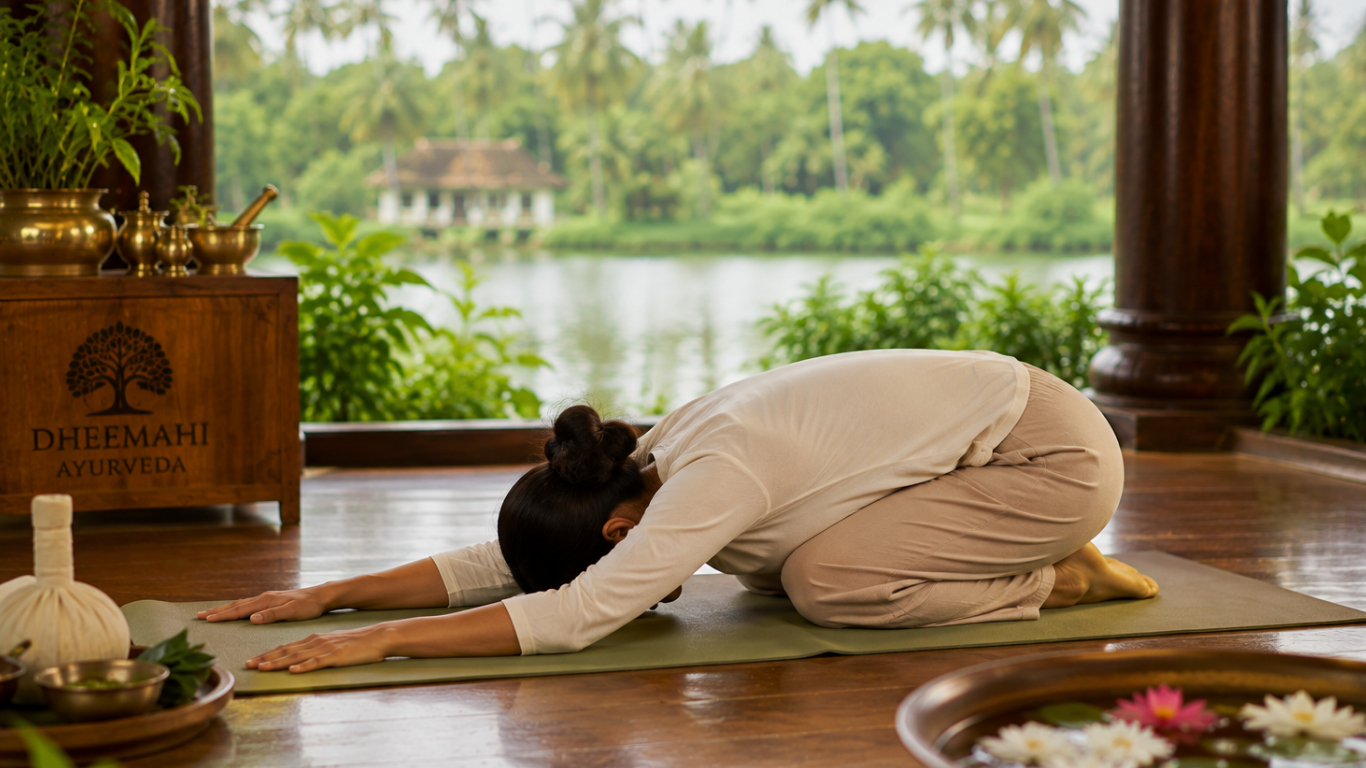
Child’s Pose (Balasana)
Kneel comfortably, bring your hips toward your heels, and gently lower your upper body forward. Rest your forehead on a mat or cushion and breathe naturally.
Benefits: Encourages relaxation and gently stretches the back and hips.
Tip: Avoid the pose if pressure on your head increases discomfort.
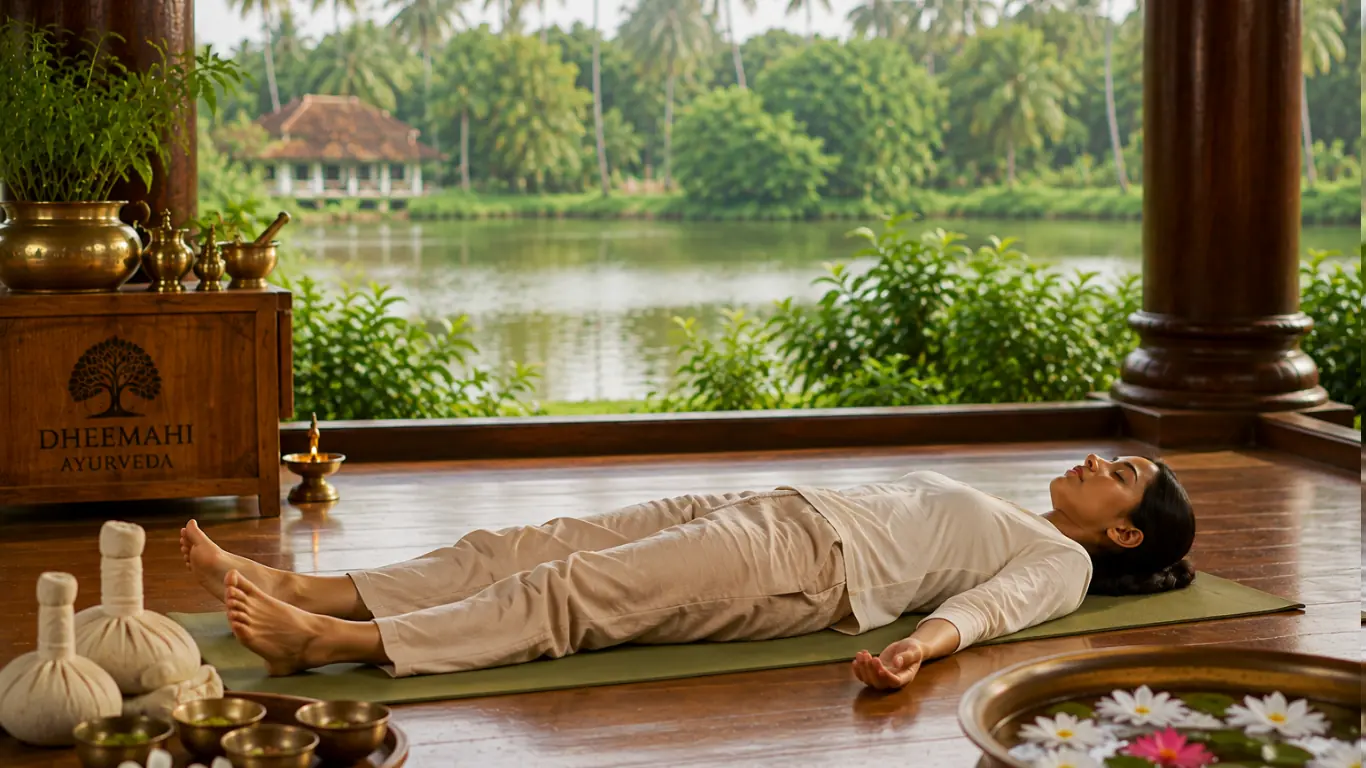
Corpse Pose (Shavasana)
Lie comfortably on your back with your arms and legs relaxed. Close your eyes if comfortable and focus on slow, natural breathing.
Benefits: Promotes deep relaxation and helps release physical and mental tension.
A pillow beneath the knees can provide additional support if needed.
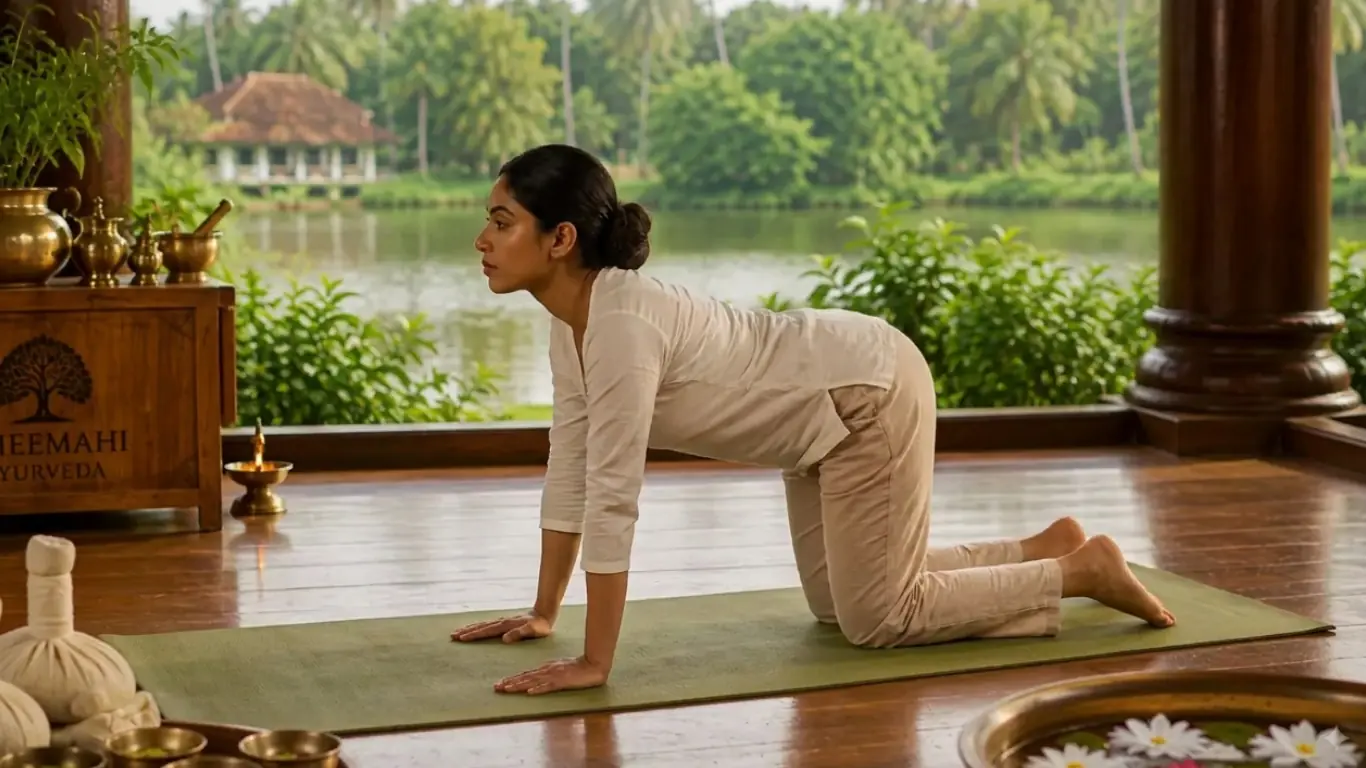
Cat-Cow Stretch (Marjaryasana-Bitilasana)
Begin on your hands and knees. Slowly alternate between gently extending and rounding the spine while coordinating the movement with your breathing.
Benefits: Supports spinal mobility, posture awareness, and relaxation.
Keep the neck neutral if head movement triggers symptoms.

Supported Forward Bend
Sit comfortably with your legs extended or slightly bent. Slowly lean forward and use a cushion or bolster for support.
Benefits: Encourages gentle stretching and relaxation without requiring deep flexibility.
Never force the head toward the knees or hold the breath.
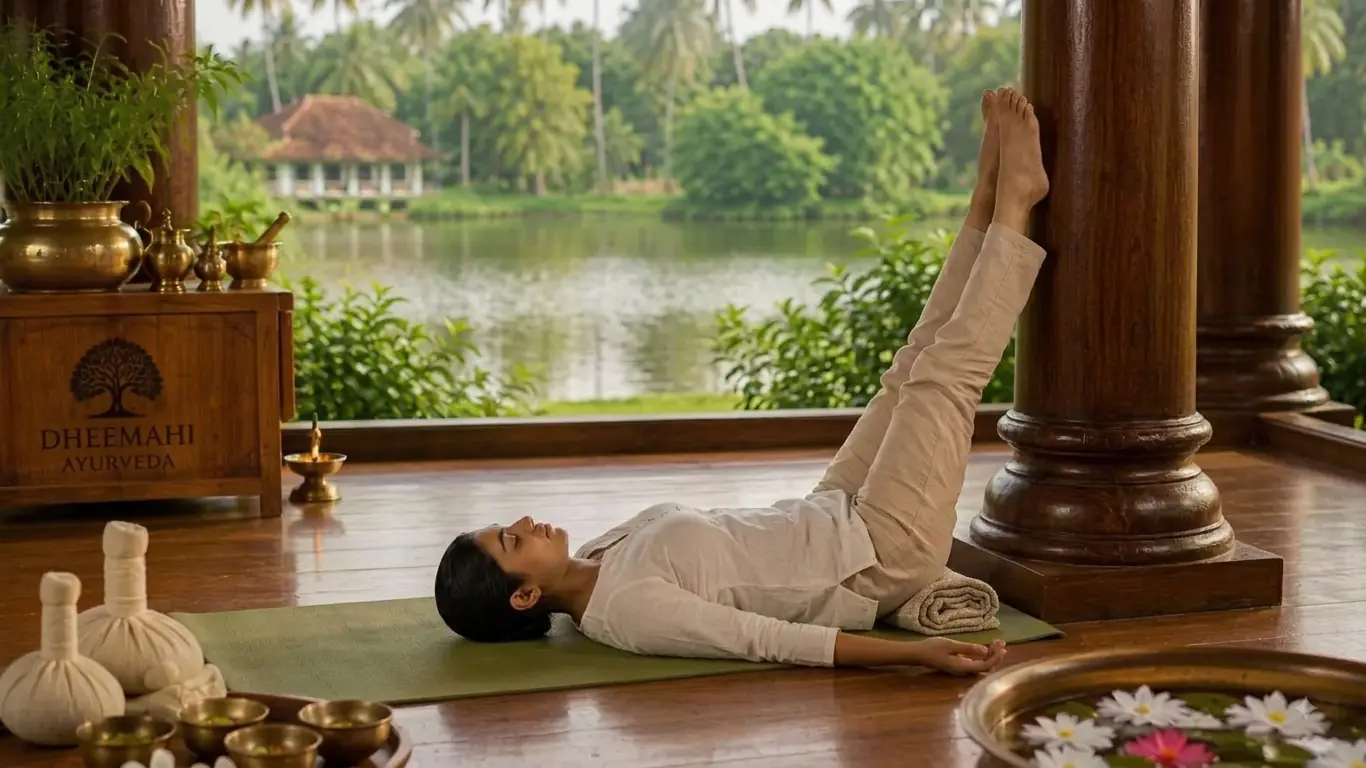
Legs-Up-the-Wall Pose (Viparita Karani)
Lie on your back with your legs resting comfortably against a wall. Support your head or hips with a folded blanket if necessary.
Benefits: Provides a restorative position that can be incorporated into a relaxation routine.
Stop if you experience head pressure, dizziness, nausea, or worsening symptoms.
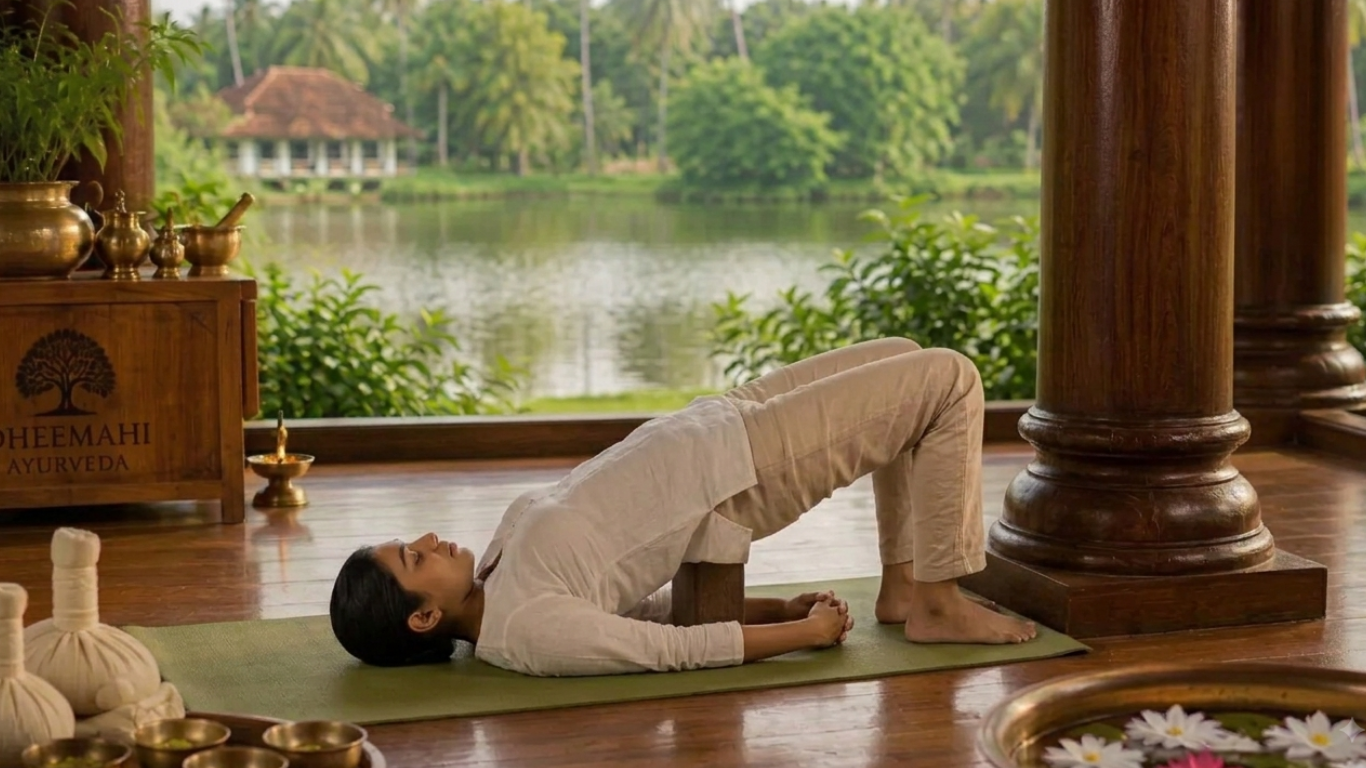
Bridge Pose (Setu Bandhasana)
Lie on your back with knees bent and feet on the floor. Gently lift your hips while keeping the neck relaxed and comfortable.
Benefits: Supports gentle strengthening and mobility.
Avoid turning your head while holding the pose, and stop if it causes a headache or neck discomfort.
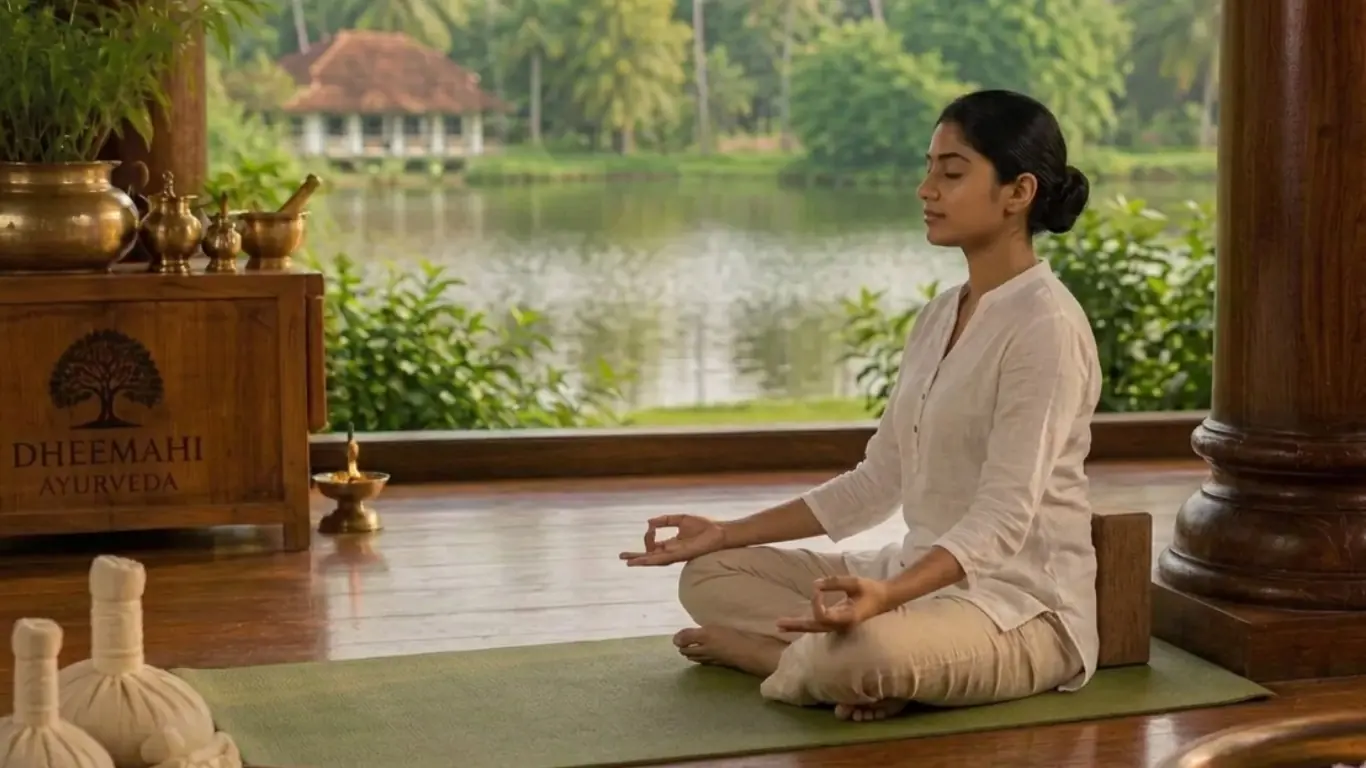
Seated Pose With Slow Breathing
Sit comfortably with your spine naturally upright. Relax your shoulders and jaw, then breathe slowly without forcing the breath.
Benefits: Encourages relaxation, mindfulness, and awareness of physical tension.
Avoid forceful breathing techniques if they cause dizziness or discomfort.
Safety Tip
The best Yoga Poses for Migraines are those that feel comfortable and relaxing. Avoid intense stretching, rapid head movements, advanced inversions, forceful breathing, or any posture that makes your symptoms worse. During an active migraine attack, rest in a quiet and comfortable environment if movement aggravates your symptoms.
How to Practice Yoga for Migraine Support
The effectiveness of a yoga routine is not necessarily determined by how difficult the poses are. A gentle, comfortable routine practiced regularly is more important than intensity or duration.
A simple routine may include:
Step 1: Begin with comfortable breathing
Spend two to three minutes noticing your natural breathing pattern.
↓
Step 2: Add gentle mobility
Use Cat-Cow or other comfortable movements to loosen areas affected by prolonged sitting.
↓
Step 3: Practice restorative postures
Choose one or two poses such as Child’s Pose or Legs-Up-the-Wall.
↓
Step 4: Finish with relaxation
Spend several minutes in Shavasana
↓
Step 5: Notice your response
Keep track of whether the practice leaves you feeling calmer, more comfortable, or more fatigued.
↓
A short routine practiced consistently may be easier to maintain than an intense session performed occasionally.
When Should You Practice Yoga?
Timing can make a significant difference.
Many people prefer practicing gentle yoga:
- In the morning as part of a structured routine
- In the evening to prepare for sleep
- After prolonged periods of sitting
- During breaks from screen-based work
- On days when stress levels are high
- Between migraine episodes as part of a preventive wellness routine
During an active migraine, the priority should be comfort. If movement, light, sound, heat, or certain positions aggravate symptoms, stop the practice and rest in a quiet, comfortable environment.
Yoga should never be used to push through severe migraine symptoms.
Yoga, Ayurveda, and a Holistic Migraine Routine
Ayurveda takes a broader view of wellbeing and traditionally considers factors such as daily routine, sleep, digestion, stress, activity, and individual constitution.
Yoga can complement this philosophy by providing a structured practice for movement, breathing, relaxation, and self-awareness.
When yoga is incorporated into Migraine Ayurvedic Treatment in Kerala, the specific practices should be selected according to the individual’s condition, tolerance, lifestyle, and treatment plan rather than applying the same routine to everyone.
A holistic program may combine appropriate yoga with:
- Personalized dietary guidance
- Lifestyle and sleep recommendations
- Stress-management practices
- Ayurvedic therapies where clinically appropriate
- Breathing and relaxation techniques
- Regular daily routines
The objective is not simply to perform more yoga. It is to create sustainable habits that support overall well-being.
Yoga Poses for Migraines: What to Avoid
Gentle yoga can be useful, but some practices may be unsuitable for people who are experiencing migraine symptoms.
Avoid or modify practices that involve:
Forceful Stretching
Never push the neck, shoulders, or spine beyond a comfortable range of movement.
Rapid Head Movements
Quick changes in head position may trigger dizziness or discomfort in some people.
Intense Inversions
Advanced inversions can create significant physical demands and may not be appropriate for everyone.
Breath Retention Without Guidance
Holding the breath for extended periods is unnecessary for a basic migraine-support routine.
Hot Yoga During Symptoms
Hot yoga may worsen symptoms for some people. A cool, quiet environment may be more comfortable.
Practicing Through Severe Pain
Pain is a signal to stop. Yoga should support well-being rather than become another physical stressor.
Can Yoga Prevent Migraines?
Yoga may help support migraine management for some people, particularly when stress, poor sleep, muscular tension, or an inconsistent routine contribute to their overall symptom burden. However, yoga cannot guarantee migraine prevention.
A better approach is to view yoga as one component of a comprehensive plan.
People with recurring migraines may benefit from tracking:
Frequency of migraine episodes
Duration of symptoms
Sleep patterns
Stress levels
Physical activity
Hormonal patterns where relevant
Response to relaxation practices
Possible food triggers
Building a Daily Yoga Routine for Migraine Wellness
A practical routine does not need to take an hour.
For beginners, a 10–20-minute routine may be enough to establish consistency.
Morning
Begin with gentle breathing and simple spinal movements. Avoid forcing stretches immediately after waking.
During the Workday
If you spend long periods at a desk, take short movement breaks. Gentle shoulder movements and posture awareness can help reduce prolonged static positioning.
Evening
Use restorative postures and Shavasana to create a calming transition toward bedtime.
Weekly
Monitor how your body responds rather than increasing intensity automatically. The most beneficial routine is one that you can perform safely and consistently.
Who Should Seek Professional Guidance Before Practicing Yoga?
Yoga is generally accessible, but people with specific medical conditions, significant neck or spine problems, balance difficulties, recent injuries, pregnancy, or other health concerns should seek appropriate professional guidance before starting a new physical routine.
Anyone experiencing a new, unusually severe, sudden, or rapidly changing headache should seek medical assessment rather than relying on yoga.
Urgent medical attention is particularly important when a headache is accompanied by symptoms such as sudden neurological changes, loss of consciousness, severe confusion, seizures, or other concerning signs.
Yoga is a complementary wellness practice, not a substitute for diagnosis or emergency medical care.
Final Thoughts on Yoga Poses for Migraines
Yoga Poses for Migraines can be a valuable addition to a balanced wellness routine when practiced gently and consistently. Rather than focusing on difficult postures, migraine-friendly yoga should emphasize relaxation, comfortable movement, breathing, body awareness, and stress management.
Child’s Pose, Shavasana, Cat-Cow, supported forward bends, Legs-Up-the-Wall, gentle Bridge Pose, and comfortable seated breathing can provide options for creating a simple routine.
The most important principle is individualization. Migraine triggers and symptoms differ from person to person, so yoga should be adapted according to comfort and professional guidance when necessary.
At Dheemahi Ayurveda, yoga can form part of a broader holistic approach that brings together personalized Ayurvedic care, lifestyle practices, relaxation, and wellness guidance. Used responsibly, yoga can support healthier daily habits while helping individuals develop greater awareness of their body’s responses to stress and tension.
Discover Our Healing Sanctuary
Frequently Asked Questions
Which yoga poses are best for migraines?
Gentle poses such as Child’s Pose (Balasana), Savasana, Cat-Cow, supported forward bends, and Legs-Up-the-Wall may be suitable for migraine support. The best choice depends on individual symptoms and comfort. Avoid any posture that increases headache, dizziness, nausea, or neck tension.
Can yoga help reduce migraine symptoms?
Yoga may help support migraine management by encouraging relaxation, reducing stress, improving body awareness, and easing muscle tension. It should be considered a complementary practice rather than a replacement for professional migraine diagnosis or treatment.
Can I practice yoga during a migraine attack?
It depends on the severity of the attack and your individual triggers. During an active migraine, some people may be sensitive to movement, light, sound, heat, or changes in head position. If yoga worsens your symptoms, stop and rest in a quiet, comfortable environment.
Is Shavasana good for migraine relief?
Shavasana is a gentle relaxation posture that may be useful when stress and physical tension contribute to discomfort. It allows the body to rest without requiring strenuous movement and can be included at the end of a gentle yoga routine.
How long should I practice yoga for migraine wellness?
Beginners can start with around 10–20 minutes of gentle yoga and gradually adjust according to their comfort. Consistency is generally more practical than performing long or intense sessions occasionally.
Can yoga reduce stress-related migraine triggers?
Yoga may support stress management through gentle movement, breathing, mindfulness, and relaxation. Since stress is a commonly reported migraine trigger, developing a regular relaxation routine may be beneficial as part of an individual’s overall migraine-management plan.
Should I avoid intense yoga if I have migraines?
Intense exercise, rapid movements, advanced inversions, forceful breathing, and hot environments may be unsuitable for some people with migraines. A gentle, restorative approach is generally more appropriate, especially for beginners or people who are sensitive to physical exertion.
How Our Booking Process Works
The unique approach involves a series of discussion during your initial decision-making process to make sure that we will be able to match your expectations with our treatment.
Based on the discussions with you our team of expert doctors will design the best treatment package personalized for your needs.
01
Consultation Form
Fill out our consultation form, and let us know when will you be available for our doctor to talk to you
02
Discussion with Doctor
Discuss your health condition and expectations with our doctor.
03
Booking Confirmation
Confirm the booking by making a payment of 50% advance.
Consultation Form
Submit this form to initiate a booking with us
Have any queries? We will help you. Talk to us now
Say Goodbye to Health Woes & Hello to Healthy Living
Dheemahi Ayurvedic Pvt Ltd
12/386 Varaputhara Road
Kumarakom, Kerala, India
Pin 686563
Dheemahi Ayurvedic Centre, Near Neelimangalam Bridge, Kumaranaloor, Perumbaikad.P.O, Kottayam, Kerala, India, Pin 686016
Other Treatments
Karkidaka Chikilsa | Ayurvedic Treatment for Depression | How to Reduce Stress Naturally | Autoimmune Disorders | Weight-Loss Treatment | Frozen Shoulder Ayurvedic Treatment | Diabetes Ayurvedic Treatment | PCOS Ayurvedic Treatment | Celiac Disease Treatment | ayurvedic treatment for skin diseases | nervous system ayurvedic treatment | Back Pain Ayurvedic Treatment | Cervical Spondylitis Ayurvedic Treatment | ayurvedic treatment for blood sugar | Fatty Liver Ayurvedic Treatment | Knee Pain Ayurvedic Treatment | Migraine Ayurvedic Treatment | Osteoarthritis Ayurvedic Treatment | Psoriasis Ayurvedic Treatment | Sinusitis Ayurvedic Treatment | Ayurvedic Detox Treatment | Ayurvedic Treatment for Rheumatoid Arthritis | Ayurvedic treatment for joint pain | Ayurvedic treatment for ulcerative colitis | Panchakarma Treatment |